
Indonesia’s gaming sector is one of the largest and fastest-growing in Southeast Asia, with sales estimated to reach billions of dollars in 2026. However, this growth has coincided with the shift in regulatory compliance, most notably the mandatory Indonesia Game Rating System (IGRS), which officially governs how games are classified and distributed locally.
For developers, content compliance is more than simply a legal requirement; it is a strategy for retaining market access and establishing trust with local players and authorities. By aligning game materials and narratives with IGRS requirements, studios can mitigate the risk of platform delisting or regulatory bans while demonstrating a strategic commitment to local cultural values.
Read the full article to learn how to successfully navigate IGRS compliance while also strengthening your game’s success in Indonesia.
Decoding IGRS: Understanding the Age Categories and Criteria
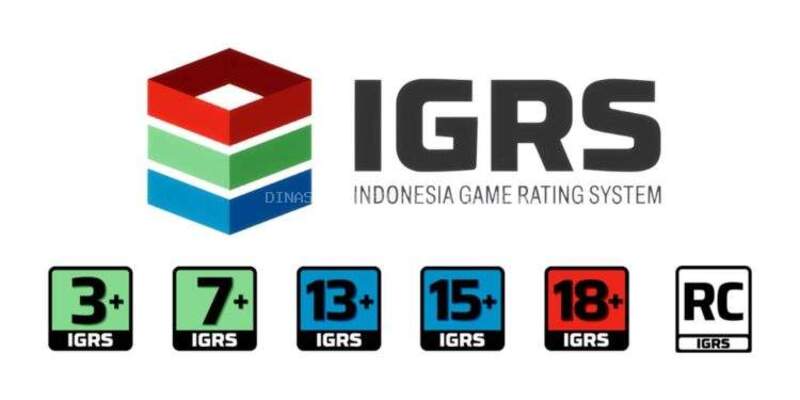
The IGRS is the official content and age‑rating system for video games in Indonesia, introduced by the Ministry of Communication and Digital Affairs (Komdigi). IGRS assists players, parents, and developers in determining what is acceptable for each age group based on certain content criteria ranging from violence and sexual content to horror and gambling.
The fundamental IGRS age classifications and their respective content benchmarks are as follows:
- 3+: This rating applies strictly to games that are extremely mild and safe for all ages, particularly young children. These games cannot include violence, horror, blood, cannibalism, or any addictive substances like cigarettes, alcohol, or drugs. They are also prohibited from using profane or adult language, sexual content, gambling simulations, or online chat features.
- 7+: Games in this category can still be mainly child-friendly, but they may have very light content, such as non-realistic blood, as long as it does not resemble actual blood. All of the restrictions for lower ages continue to apply (no addictive drugs, vulgarity, or intense terror), and online interaction is still prohibited.
- 13+: Games in this category may feature mild violence (particularly in cartoon or fantasy combat), as well as limited blood without a realistic representation. Online interactions are filtered, and humorous elements are permitted if they do not indicate sexual themes.
- 15+: This category allows for more intense themes, such as realistic weaponry and animated violence, but without graphic gore. Non-sexual adult humor is permitted, and online interaction is allowed with filtering systems. Content involving addictive substances (such as cigarettes or alcohol) and gambling themes remains restricted or heavily monitored.
- 18+: The highest standard classification for legally distributed games permits adult themes, such as realistic violence, blood, horror elements, adult humor without pornography or nudity, and references to addictive substances or gambling simulations that do not involve real money.
- Refused Classification (RC): This label is reserved for games that contain illegal material by Indonesian law or cultural values, such as pornography or real-money gambling. Games with an RC rating are not permitted to be distributed, advertised, or sold in Indonesia.
The IGRS analyzes games based on specific criteria such as violence, horror, language use, character appearances, allusions to addictive substances, gambling simulations, and online interaction. These content variables assist in establishing which age group a game belongs to, ensuring that kids and teenagers are not exposed to harmful or inappropriate content.
The Compliance Crisis: Lessons from Recent Viral Controversies
The rollout of the IGRS on the Steam platform in early April 2026 rapidly turned into a full-blown controversy. Indonesian audiences flooded social media with complaints after discovering incorrect and allegedly “fake” ratings, including adult games labeled 3+ and child-friendly titles classified 18+.
This disparity caused confusion and triggered distrust, forcing the government to clarify that the ratings displayed on Steam were not official IGRS classifications but rather unverified outputs from a self-declaration system.
The backlash escalated rapidly, so Steam eventually retracted and removed the IGRS ratings, reverting to other rating systems while repairing the interface. From a compliance standpoint, this was not merely a technical rollback; it was a strategic move to de-escalate misinformation and mitigate regulatory exposure.
This case demonstrates that navigating IGRS and content compliance is more than simply following regulations; it is also about public perception. In Indonesia, where gaming communities are vocal and interconnected, transparency is essential. If players are misled, even unintentionally, they will react quickly and aggressively. Social media amplifies these reactions, turning slight compliance errors into big reputational risks.
Cultural Sensitivity vs. Creative Vision: Finding the Balance
Navigating content compliance in Indonesia is more than simply obeying the regulations; it starts with understanding the values that influence how millions of players perceive game content. Religion is essential to Indonesian culture, and religious symbols are held in high regard. Misusing these aspects in a game, even unintentionally, may swiftly generate criticism.
The same standard is applied to how authoritative figures are depicted. Characters resembling police, military, or government personnel are supposed to have respect, and harsh or insulting representations may be considered inappropriate. Even something as simple as speaking tone is important, since Indonesian communication standards value politeness, dignity, and respect.
Instead of dealing with compliance issues at the end, developers that integrate cultural nuances from the start might prevent costly revisions, delays, and even distribution restrictions.
Culturalization is quite important in this situation. It enables developers to modify particular elements—visuals, dialogue, or references—while maintaining the game’s core identity. This guarantees that the experience is authentic while also aligning with local standards.
Technical Integration: Aligning Game Assets with IGRS Standards

In the current Indonesian landscape, IGRS compliance has shifted from a voluntary best practice to a mandatory prerequisite for market viability. Alignment of game assets with IGRS standards is critical for minimizing threats to distribution and reputation.
The IGRS requires every game to be classified before it can be released. This involves analyzing material while ensuring assigned ratings appear properly across online stores, user interfaces, and all promotional materials.
The application procedure in itself requires attention to detail. Developers must first enroll in official government systems before completing a content self-assessment. This stage is very crucial since incorrect statements can lead to improper classification. Once submitted, IGRS assessors evaluate the game to ensure compliance before giving approval.
Global developers frequently use systems like the International Age Rating Coalition (IARC) to accelerate multi-region releases. While this integration makes operations more efficient, it does not eliminate the requirement for local accuracy. Indonesia still has its own standards and verification methods, thus developers must verify that their submissions fulfill local expectations.
Treating compliance as development’s core ensures regulatory fulfillment while simultaneously improving the overall quality and credibility of your game. With the support of an experienced localization and compliance partner like SpeeQual Games, developers can navigate complexities with ease and bring their titles to market more efficiently.
Collaborative Resolution: Working with Platforms and Regulators
Steam’s IGRS rollout shows why open discussion between regulators, developers, and platforms is essential for managing local digital compliance. Inaccurate game ratings sparked swift concern from Indonesian players, triggering significant discussions across social media and various online gaming forums.
Instead of quickly implementing strict penalties, the Indonesian government took a more methodical approach. Komdigi clarified the displayed ratings were unofficial and launched an investigation with Steam into the system’s establishment.
This collaborative response excellently examples how people should address compliance issues. Rather than escalating the situation with threats of platform blockage or punishment, both parties prioritized problem-solving and transparency. This approach not only minimized player confusion but also helped to retain trust between regulators, platforms, and the gaming community.
However, effective communication in Indonesia’s regulatory landscape is not always clear. Language barriers, technical gaps, and evolving regulations might make it difficult for international developers to completely comprehend local standards. This is why having a local representative or expert partner is becoming more crucial.
Local partners bridge developers and regulators, interpreting not just language but also the specific cultural context and regulatory expectations. They ensure correct content declarations, submit compliant ratings, and properly convey any difficulties to the relevant regulatory authorities.
Conclusion: Navigating the Future of Digital Entertainment in Indonesia
To navigate Indonesia’s evolving gaming industry, developers must ensure content compliance to reach local audiences both safely and effectively. Mandatory IGRS standards require developers to use compliance as a strategic tool for building trust with local Indonesian audiences.
The system balances industry growth with cultural standards by establishing age classifications that align with Indonesian values and protect youth. To grow Indonesia’s digital entertainment scene, industry leaders must prioritize open communication, content alignment, and collaboration with local experts.
![MLBB integrated localization early to preserve local identity while reaching global players.]](https://speequalgames.com/wp-content/uploads/2026/09/image-57.jpeg)
![Popular Roblox games highlighting the platform’s growing influence.]](https://speequalgames.com/wp-content/uploads/2026/09/image-56.jpeg)
![Free-to-play leads Southeast Asia’s gaming market, shifting monetization from purchase to in-game spending.]](https://speequalgames.com/wp-content/uploads/2026/09/image-53.jpeg)
![Humor in games is conveyed through words, timing, and cultural context.]](https://speequalgames.com/wp-content/uploads/2026/09/image-48.jpeg)