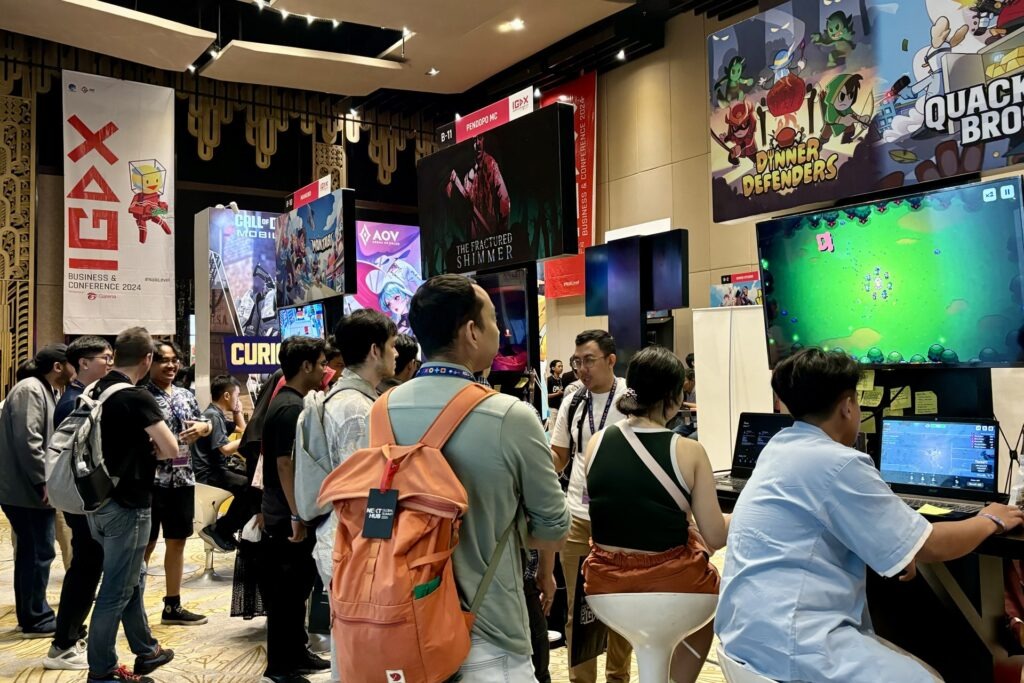
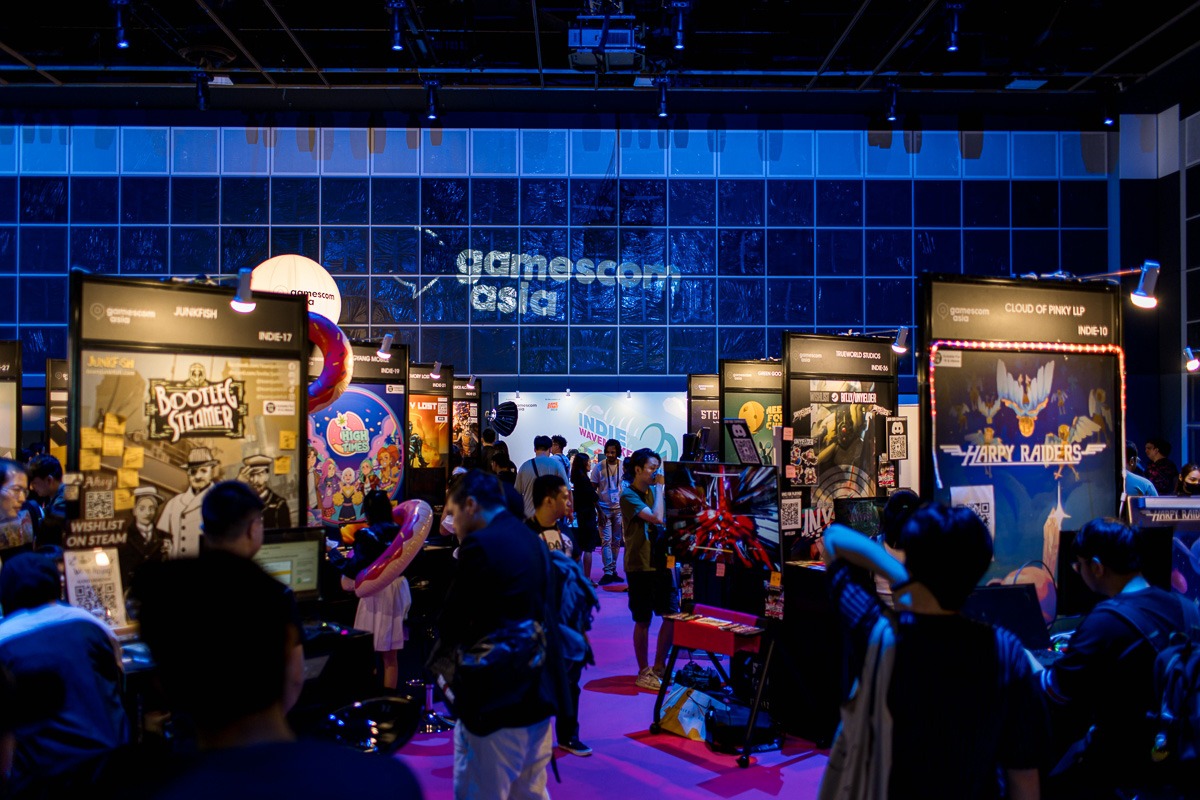
Despite their global dominance, many games stumble when it comes to translation. For instance, Wii Mario Party 8 was pulled from various target countries due to the translation containing offensive words.
This happened due to the developers’ limited understanding of local culture. Translation and localization are crucial for any game aiming to reach a broader audience.
In addition to scarce budget and labor, linguistic limitations and a lack of cultural context pose serious problems for the translation and localization process. This is evident in Southeast Asia, which has a wide variety of cultures and languages and is one of the fastest-growing video game consumers regions in the world.
Consider a game featuring Western cultural references such as Halloween, idioms, slang, and humor, launched in Thailand or Indonesia, both of which have rich traditional cultures, yet offering only an English menu with machine-translated dialogues.
As a result, local players would feel alienated, resulting in lower retention, limited advancement, and eventual failure to expand. This demonstrates why just translation is insufficient. In the gaming industry, game translation is the process of transferring text, audio, and user interface elements from one language to another.
More crucially, game localization extends beyond mere translation to include cultural allusions, visuals, game context, UI design, monetization, and even character names to ensure the game is localized to the target audience.
This article outlines the key components of effective game localization in Southeast Asia, highlighting that achieving complex cultural and contextual adaptation requires more than just translation.
Why Translation Alone Fails in Southeast Asia
In today’s global market, merely translating game content into the local language is not enough—especially in diverse and vibrant countries like Southeast Asia. While localization may modify the game’s content to feel more relatable to players, translating can make a game more comprehensible.
Even a well-translated game risks poor sales if the local language and cultural context are not properly adapted. In this segment, we will explore how to distinguish between translation and localization and why relying solely on translation is risky.
The Difference Between Game Translation and Localization
Game translation and localization may initially appear to serve the same purpose, which is to translate content between languages. But as it happens, their functions, objectives, and impacts on the player’s experience are different.
Game translation entails directly converting text, such as dialogues, user interface elements, and item descriptions, into the desired language. The primary purpose is to ensure that essential meaning is kept across languages, with a focus on accuracy and clarity.
This assures that gamers can read the content, but it does not accommodate for cultural nuances or regional preferences.
Meanwhile, game localization extends beyond simply translation. This process entails tailoring game elements such as text, images, audio, and gameplay mechanics to the target market’s language and cultural context.
The scope of localization involves changing character names, updating graphics, adjusting local jokes, and even adapting gameplay preferences to ensure that the game seems authentic and compelling for the target market.
As a result, a well-executed game localization process can give a more personalized experience, increasing player satisfaction and engagement.
The Pitfalls of Translation-Only Approaches
After comprehending the fundamental differences between translation and localization, we will show you a few key reasons why relying solely on translation often fails in Southeast Asian market:
1. Cultural Context Misunderstanding
There are thousands of languages and traditions in Southeast Asia. Therefore, a simple translation is unable to convey the regional uniqueness, values, or sense of humor that are specific to each market.
Direct translation may produce words that seem accurate but feel awkward or lose meaning in another language. Furthermore, certain symbols or gestures may also be inappropriate or misinterpreted in a particular region.
2. User Interface and Language Mechanics Issues
Local fonts or scripts may not appear properly, game menus may assume reading habits typical of a particular nation, and the use of translated text in content might broaden or shrink, potentially disrupting layout. Consequently, these problems impair usability and perception.
3. Low Trust and Poor Brand Perception
Local gamers will feel disconnected if a game is launched with a variety of translation problems, such as inadequate or missing translations, untranslated elements, or cultural references that haven’t been adapted. As a result, this will harm engagement and retention.
4. Mismatch in Local Monetization
A game that translates content but retains a payment or monetization scheme centered on a single country may fail to produce significant profits because it fails to consider local audience preferences.
The Cultural Complexity of Southeast Asia

Source: Unsplash.com
With a fast-expanding player base in nations like Indonesia, Malaysia, Vietnam, Thailand, and the Philippines, Southeast Asia has emerged as one of the most promising markets for the global gaming industries. However, succeeding in this market requires understanding its cultural fabric, not just its language.
In this section, we will look at the difficulties of comprehending and adapting to Southeast Asia’s vast cultural diversity—challenges that many developers encounter.
Navigating Cultural Sensitivity in Game Development
The customs, linguistics, beliefs, and social norms of each Southeast Asian nation influence how its citizens play video games. In Thailand, a joke or plot that appeals to gamers in Vietnam could come off as unclear or even offensive.
Depending on the cultural context, even seemingly insignificant details—like character attire, gestures, or music—can have multiple interpretations. For instance, Southeast Asian nations like Malaysia, Indonesia, Singapore, and Brunei have each with its own kebaya styles and cultural significance.
As a result, localization is far more complicated than simple translation. In order to accommodate local sensitivities and preferences, game developers must modify the gaming mechanics, storylines, and visuals.
There is no one-size-fits-all strategy for success in SEA due to its diversity, unlike more homogeneous markets. The presence of multiple languages within a single nation (in Indonesia, there are Javanese, Sundanese, Balinese, etc.); varying gaming habits across nations (gamers in the Philippines prioritize mobile devices, while players in Vietnam prefer PC games); and various cultural taboos and political sensitivities that influence the approval of game content releases in a country are some of the unique challenges that developers frequently face when attempting to expand into the SEA market.
The Power of Community Feedback
Community-driven localization is one of the most efficient strategies for overcoming a variety of difficulties related to language and cultural barriers in the SEA region. Developers can gain genuine insights from local gamers regarding local jokes, spoken language, and cultural nuances that automated translation systems are unable to fully comprehend.
Developers can adapt game content to local cultures by learning community feedback through player forums, social media interaction, and beta testing. Furthermore, community feedback can assist in spotting problems early on, such mistranslated text, culturally sensitive content, or game mechanics that don’t suit the local preferences. As a result, games become more culturally sensitive, engaging, and relevant.
The Business Side: Why Getting Localization Right Matters
Source: Unsplash.com
Southeast Asia’s young, tech-savvy population and rapidly expanding mobile gaming market provide developers with a growing number of opportunities. Based on data from Statista, the Southeast Asian gaming market’s mobile gaming segment is expected to be worth US$3.82 billion in revenue in 2025 and increase at a compound annual growth rate (CAGR) of about 8.1% to reach US$5.63 billion by 2030.
Southeast Asia’s mobile gaming business is expected to keep expanding quickly in the future, with nations like Indonesia leading in user engagement and innovative gaming experiences.
Despite the encouraging rise of the mobile game market in this region, many titles will have trouble retaining players engaged since they fail to consider one crucial element: game localization.
Poor localization can destroy immersion, lower engagement, and eventually kill retention in an area where languages, cultures, and gaming preferences are diverse. Considering the complexities and risks at stake, big gaming companies are increasing their commitment to localization, rather than merely translating.
Riot Games, for example, has rapidly grown its business in Asia-Pacific (APAC) by focusing on hyper-localization and opening new offices in Southeast Asian nations such as the Philippines, Thailand, and Indonesia. Riot Games works with local teams on the Southeast Asian versions of its main products, such as League of Legends: Wild Rift and Valorant.
There is also a local Indonesian company, Agate, which has previously worked with international publishers like Square Enix to localize the game Sengoku Ixa in order to gain a greater understanding of Indonesian gaming culture.
The Rise of Culturally Intelligent Localization
The gaming industry is undergoing a transformational change in localization practices. In the past, game translation has mainly depended on human translators to modify material for various markets. But as artificial intelligence (AI) advances, there is a rising movement to combine AI tools with cultural experts and human expertise. The goals of this hybrid method are to provide a high-quality experience across various regions, maintain cultural relevance, and boost efficiency.
Speequal Games: A Comprehensive Game Localization Solution for Southeast Asia
Working with localization services is essential for game developers looking for opportunities in the Southeast Asian market. Speequal Games is one such company and an ideal partner for providing thorough localization in the region with the following service products and services:
1. Game Translation and Localization
Speequal Games goes beyond simple translation to make sure every single game element—such as the user interface, dialogue, and in-game text—are culturally tailored to the preferences of local players.
2. Voice-Over Service
Speequal Games offers multilingual voice-over services, ensuring that character tones reflect the cultural and emotional background of each Southeast Asian market.
3. Community-Driven Quality Assurance (QA)
Speequal Games emphasizes the value of community feedback throughout the localization process. By involving local players, we can identify any possible issues and ensure that the localized game matches the expectations of the target audience.
Why Speequal Games?
- Cultural Expertise
We have an in-depth knowledge of Southeast Asian culture, allowing us to ensure that games are both linguistically authentic and culturally appropriate.
- Resources Efficiency
Speequal Games uses machine learning methods combined with human expertise to speed up the localization process while maintaining game quality.
- Player-Community Approach
Speequal Games improves engagement and retention by incorporating community feedback to create games that are personalized according to local players’ gameplay preferences.
There is vast potential in the SEA gaming market, with its massive user base, high engagement levels, and strong monetization opportunities. But it takes more than merely translating your game to succeed in this area.
A title may have global recognition, but if it is released in Indonesia, Thailand, or Vietnam with poor translations without local cultural adaption, it risks losing popularity in this area.
The key is game localization, which involves changing language, culture, user experience, monetization methods, and community engagement. Poor localization can reduce retention and weaken your monetization strategies.
On the other hand, companies who invest in local teams, collaborations, and community feedback are far more likely to succeed in this vibrant region.