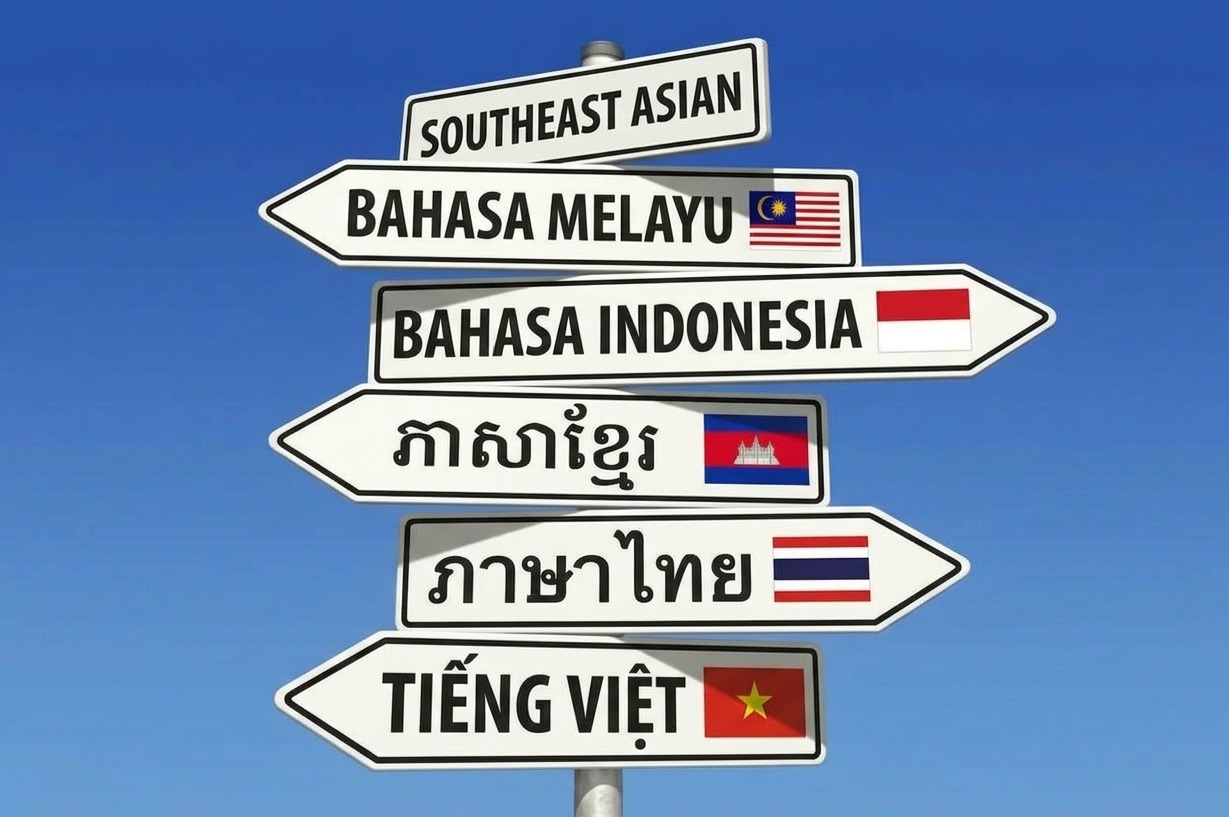
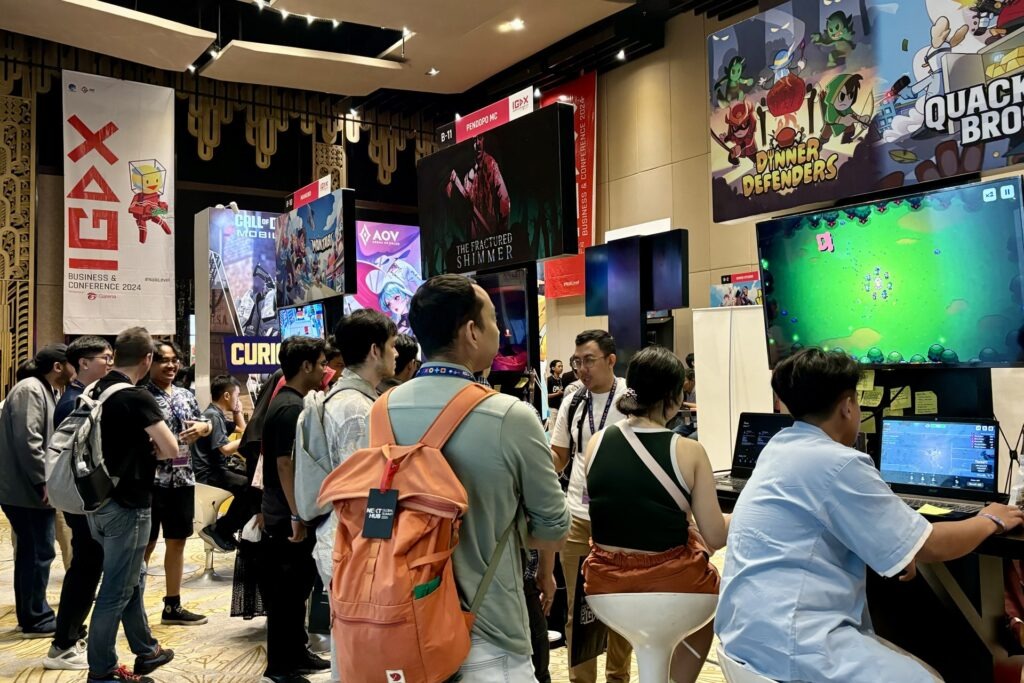
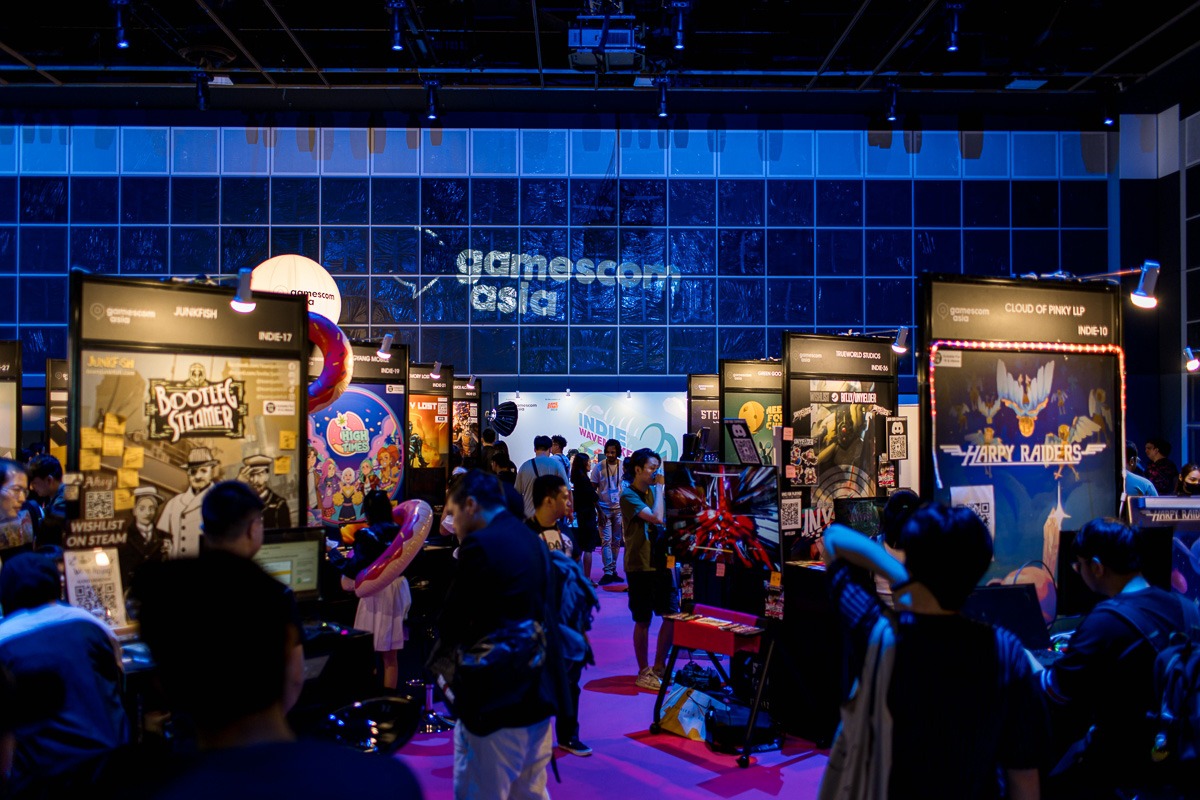
Each game has its own unique cultural identity, storytelling style, and emotional tone. When preparing for a worldwide launch, developers have to adapt content for local audiences while maintaining the core narrative flow. Balancing cultural adaptation with contextual integrity ensures that players across regions may engage with the game’s environment, characters, and gameplay experience.
From dialogue and humor to symbols and visual design, localization decisions have a direct impact on immersion and player perception. Successful global launches often incorporate early localization planning, cultural adapting, and contextual testing throughout development.
A global launch shouldn’t mean the death of your game’s creative soul. Explore the delicate art of balancing deep culturalization with unwavering contextual integrity.
Understanding Contextual Integrity in the Gaming Narrative
A great game is remembered not just for its graphics or gameplay, but also for how realistic the environment appears. This is why contextual integrity in gameplay has become a critical component of modern game design.
The term refers to the connection between the story, the game world, and the player’s actions. When everything in a game follows the same logic and emotional tone, players become engaged without having to think about it consciously.
A study on gameplay experience reveals that contextual factors and the relationship between player interaction and environmental design strongly influence immersion. Games become more interesting when their systems integrate to provide a seamless experience.
Every design piece in a game should have a clear purpose. Sound effects, area layouts, combat systems, dialogue options, animations, and user interfaces all help players fully understand their surroundings.
Localization is one of the most overlooked parts of ensuring contextual integrity. Localization is not a post-production checkbox; it is a vital narrative pillar. A single out-of-context translation can instantly shatter the delicate illusion of your game world.
For example, a poorly adapted line of dialogue may make characters appear robotic or emotionally inconsistent, and humor may lose meaning.
The Fine Line Between Adaptation and Distortion

Players frequently form emotional attachments to video game characters since they are realistic and stable. The way characters speak, react, and convey emotions contributes to the game’s overall personality. This is why culturalization plays such an important role in ensuring contextual integrity in gameplay.
Culturalization aims to make content feel natural and meaningful to players across different countries. Rather than just translating text, localization teams adapt humor, dialogue, references, and cultural nuances to create the experience more familiar and engaging for local audiences. According to research on game localization, this process makes games more accessible while also increasing emotional connection for players worldwide.
However, excessive adaptation might accidentally alter the identity of a game. When localization teams change dialogue too dramatically or reinterpret cultural references recklessly, a character’s original personality may disappear. In some cases, games localized for other markets deviate significantly from the original version, sparking debates among players concerning authenticity and creativity.
Localization teams must strike a careful balance between cultural sensitivity and authenticity. True culturalization is a lens, not a filter. The goal is to make the foreign familiar without rewriting the creator’s original vision or eroding character identity.
Understanding cultural values, customs, religion, social expectations, and historical sensitivities while maintaining the content’s originality is required for successful culturalization.
Securing Seamless Player Immersion Globally

Global players want to immerse themselves in a game world without having to constantly question awkward dialogue, confusing quest descriptions, or inconsistent terminology. No matter how beautiful the graphics are, immersion fades rapidly when the language feels unnatural or disconnected from the gameplay experience.
Game localization aims to address this issue by adapting games for different cultures and locations. However, localization is significantly more complicated than basic translation. Developers must maintain emotional tone, character identity, narrative consistency, and gameplay clarity across multiple languages.
A comprehensive evaluation is critical for ensuring contextual integrity in gameplay. LQA is where text meets reality. Testing translations within the active runtime environment ensures that the visual context matches the emotional cadence of the dialogue. These include inconsistent terminology, broken tutorial instructions, and dialogue that no longer matches certain scenes’ emotional tone.
Collaboration with professional localization businesses may significantly improve the player experience for studios planning international releases. SpeeQual Games offers localization, QA testing, voice-over, and multilingual adaptation services specialized exclusively for the gaming industry. The company’s primary goal is to assist developers in maintaining immersive gaming experiences while also ensuring that players worldwide may enjoy games in their native language.
Operational Best Practices for Quality-Focused Studios
One of the most successful strategies for accelerating game development is to involve linguistic experts from the start. Shift-left your localization pipeline. Involving linguistic experts during the graybox phase prevents expensive voice-over re-records and structural rewrites near code-freeze. Instead of resolving translation issues near launch, developers may synchronize terminology, dialogue tone, and cultural references from early on.
Direct testing within the game environment is also important in the development process. Mismatches between visuals and text may be detected instantly by QA and localization teams, such as subtitles that do not correspond to character emotions, UI text that overlaps menus, or quest descriptions that confuse players.
This strategic workflow helps studios to reduce the risk of major revisions before their global release date. By integrating early linguistic collaboration with in-game testing, developers may decrease delays, preserve immersion, and provide easier releases for international audiences.
Conclusion: Perfect Harmony for International Success
In today’s global gaming industry, players expect immersive experiences that feel natural in any language. Every stage of the process, from contextual integrity in gameplay to cultural adaptation and localization QA, is crucial to ensuring immersion and narrative consistency.
Poor translations, mismatched dialogue, or unclear UI text may easily disrupt the logic of a well-designed game environment, which is why developers are increasingly relying on structured localization workflows and comprehensive testing.
Early collaboration with linguistic experts also helps to prevent production delays and avoid costly revisions. Direct testing enables teams to discover visual and text incompatibilities while maintaining character identity, emotional tone, and gameplay clarity across international markets. In 2026, the most successful global titles are those that speak like a local but stay true to their roots. Balance your adaptation with precision, and the world will listen.