2026 has become a golden year for RPG (Role-Playing Games) enthusiasts, with blockbuster releases like Nioh 3, Fable, and Arknights: Endfield redefining the genre. The battle for the best game RPG in 2026 demonstrates how far the genre has evolved on a global scale.
Modern RPGs involve players in storylines that adapt with every decision, resulting in worlds that seem dynamic and alive. Whether in dark fantasy battles or whimsical adventures, the emotional depth keeps players engaged. Furthermore, smart localization also ensures that these stories adapt well between languages, retaining their appeal for global audiences.
Curious which titles are setting the benchmark for this landmark year? Explore the RPGs redefining the industry in 2026.
Nioh 3: Mastering the Soul of Feudal Japan Through Language
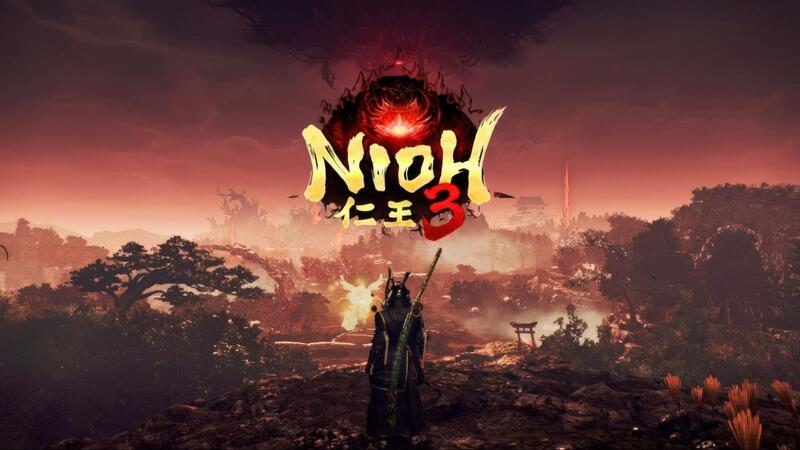
One of the reasons Nioh 3 is often regarded as a contender for 2026’s RPG of the Year is its deep ties to Japanese culture. Unlike many RPGs that draw inspiration from a variety of sources, this game truly embraces its origins, creating a world inspired by history, mythology, and spiritual beliefs.
Players expect to see a realistic depiction of Japan’s history, with samurai traditions and Shinto mythology playing a key part. The game’s setting spans several historical periods and incorporates mystical aspects, creating a unique story that is both educational and entertaining.
However, releasing such a culturally diverse game to a global audience has significant localization challenges. Localization teams must carefully adapt not only words but entire cultural concepts. Ancient terms, honorifics, and spiritual references sometimes lack direct equivalents in other languages, making this process extremely challenging.
Skill names and combat terminology add another layer of complexity. In Nioh 3, abilities are frequently influenced by traditional martial arts or symbolic concepts, so their names have more significance than just their function.
While masterful localization serves as a cultural bridge, poor execution can alienate players and obscure the game’s intricate mythological depth. This is especially crucial in a game where players must instantly grasp mechanics during fast-paced battles. If the language is confusing or inconsistent, it might disrupt the flow of the game and harm the overall experience.
Fable: The Art of Translating British Wit and Whimsy
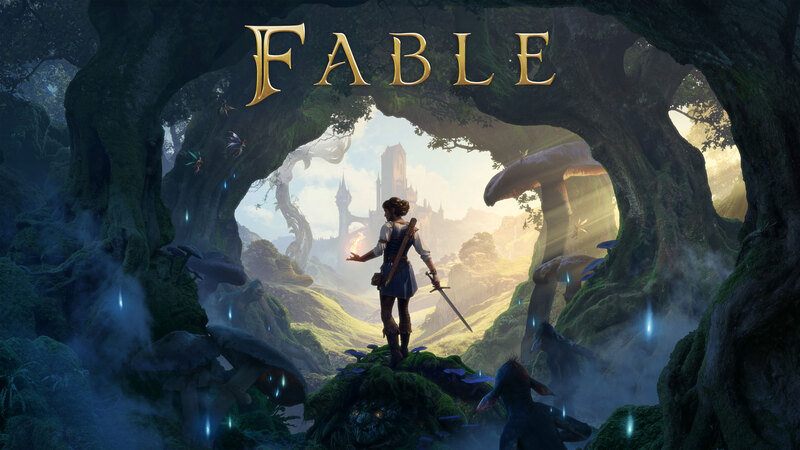
The Fable reboot is one of 2026’s most anticipated RPGs, aiming to recreate the classic British genre for a modern audience. This new version of Fable, developed by Playground Games and set to be released in autumn 2026 for Xbox Series XS, and PC, is more than simply a continuation; it’s a fresh start created from the ground up.
The game stands out in the RPG genre by combining open-world exploration, a choice-driven storyline, and amusing environment interactions. What makes it stand out right away is how strongly the game focuses on its British identity. The game’s mockumentary-style narration, inspired by British programs, adds a humorous and authentic vibe to the setting.
However, comedy in games is one of the most difficult elements to interpret. Sarcasm, subtle phrases, deadpan delivery, and cultural references are common features of British wit that are tricky to translate into other languages.
When translated verbatim, jokes that appear funny in English might come out as impolite, unclear, or even insulting. Localization teams have to strike a balance between maintaining the humor’s original meaning and making it appropriate and relevant in different cultures.
This is why culturalization is so important. Culturalization is more than simply literal word conversion; it also entails understanding the cultural context of humor, idioms, and social norms to ensure the joke is appropriate for players in different countries. Humor feels natural and engaging when executed properly. On the other hand, it can shatter immersion or even cause unintentional insult when handled badly.
Arknights Endfield: Global Stories for Modern Communities
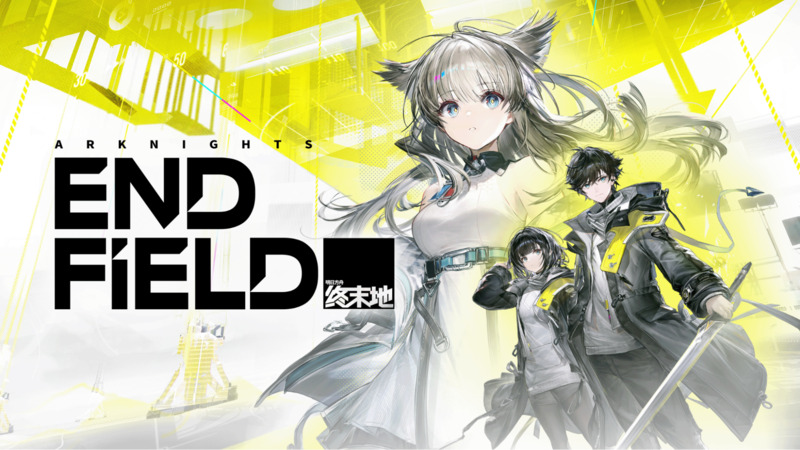
Arknights: Endfield is one of the most ambitious RPG releases of 2026, not just because of its in-depth gameplay but also due to its simultaneous global release. On January 22, 2026, Hypergryph and publisher Gryphline launched Endfield globally on PC, PlayStation 5, and mobile platforms, allowing players worldwide to participate simultaneously.
For many global players, the simultaneous debut was not only convenient but also anticipated. As Endfield combines base-building, strategic party battles, and exploration on the sci-fi moon Talos II, players from different regions desire to experience the game together, share tips, and record their progress in the same community.
With a complex world and diverse mechanisms, consistent terminology becomes crucial. Using standard terminology across regions allows players to exchange tips, construct community guides, and engage in discussions without misunderstanding, including character powers, in-game mechanisms, places, and faction names. Inconsistent terminology across regions doesn’t just confuse players; it actively fractures the global community and stifles collaborative gameplay.
Localization is also important for maintaining player loyalty. When a game uses culturally appropriate terms and consistent gaming language, players feel valued and accepted. Providing this kind of attention fosters trust and long-term engagement, particularly in genres that value community and knowledge.
As Arknights: Endfield expands its global player base, the combination of a worldwide launch and strong localization standards contributes to the development of a truly global community. In a market crowded with RPGs, good communication and common terminology provide players with a solid platform for exploring, discussing, and experiencing the game together.
The Hidden Engine: Why Localization is the Key to RPG Immersion
Deep storylines, compelling characters, and emotional journeys are essential components of role-playing games. Because of this, localization is significantly more important for RPG success than it is for many other genres.
Players expect stories to seem emotionally engaging, culturally relevant, and linguistically authentic; a literal translation is not enough. Beyond translation, contextual proofreading encourages story coherence, cultural relevance, and emotional connection.
Localizing voice-over becomes a significant difficulty in RPG development. Hours of spoken dialogue are common in role-playing games, and players enjoy voice acting nearly as much as gameplay. Localization teams must verify that voice recordings reflect character expression, coordinate with animations, and retain interpretation in translation.
UI adaptation presents another difficulty. Layouts must be carefully adjusted to minimize overlapping or truncated text since RPG menus and text-heavy interfaces sometimes are not compatible when translated into other languages. Maintaining readability and flow may be achieved by creating adaptable UI layouts.
For studios and developers looking to expand their RPGs globally, SpeeQual Games provides professional translation, localization, and voice-over services to make every story feel native and relevant in every language.
Beyond Words: Culturalization and Market Access in 2026
RPG players are no longer satisfied with generic localized content; they are seeking real cultural representation. From character design to story themes, players want to see cultures represented appropriately and respectfully. This shift has made culturalization an important development of localization, in which games are altered not just linguistically but also culturally to reflect local norms and expectations.
For studios and developers, the goal is not only to satisfy players but also to avoid criticism. Misrepresentation of cultural symbols, religion, or social values can swiftly result in criticism, negative feedback, and even boycotts. Culturalization enables developers to proactively change material to ensure it resonates with players.
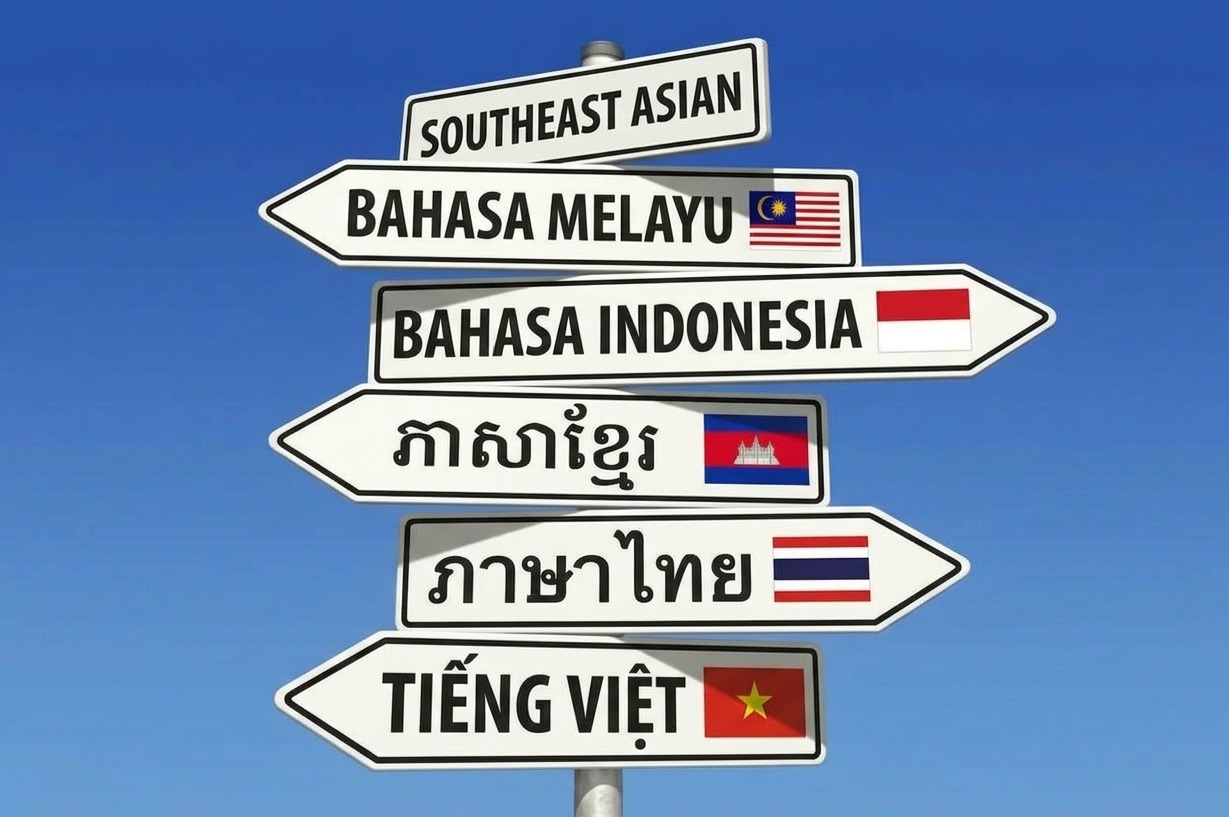
However, localization is necessary for entering regulated markets like Malaysia and Indonesia. Governments in these countries enforce strict content standards through grading systems and regulations that are culturally appropriate. Without proper localization and cultural adaptation, games run the risk of being rejected, delayed, or restricted.
From a business perspective, localization also has direct impacts on revenue. Culturally adapted games are easier to comprehend, more fun to play, and more likely to attract new players. Investing in localization is one of the best methods to boost lifetime value (LTV), as retention is a key component in generating revenue.
Conclusion: Crafting a Legacy in Every Language
In summary, the best game RPG 2026 is defined not by battle mechanics or amazing visuals but by how deeply players connect with the universe. The complex storylines of RPGs, which can involve hundreds of thousands of words and substantial voice-over, require a significant investment in localization.
From culturally rich storylines like Nioh 3 to humor-driven worlds like Fable and globally connected experiences like Arknights: Endfield, every detail relies on language that feels authentic and genuine. Moreover, culturalization reduces backlash and increases acceptability in diverse markets, while proper localization improves player immersion, loyalty, and LTV. The RPGs destined for a lasting legacy are those that transcend linguistic barriers to feel profoundly personal to every player, regardless of their native tongue.