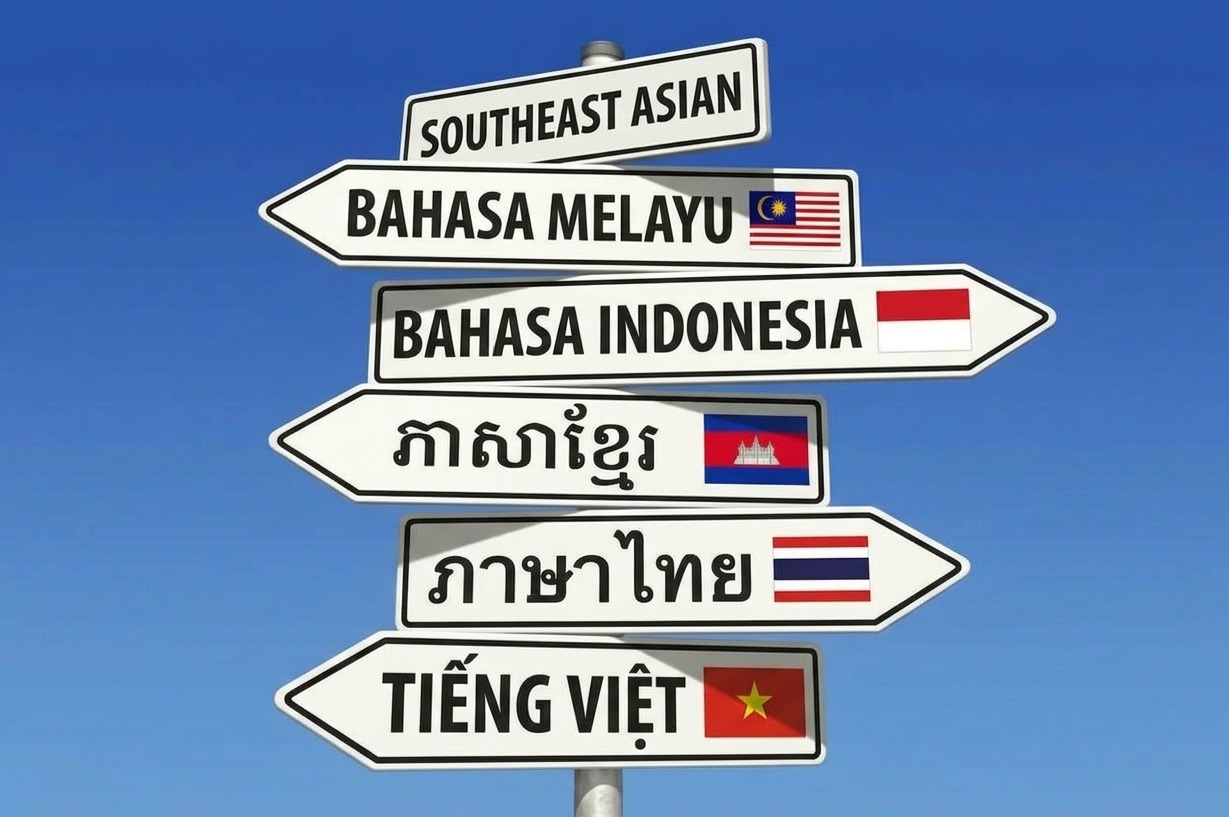
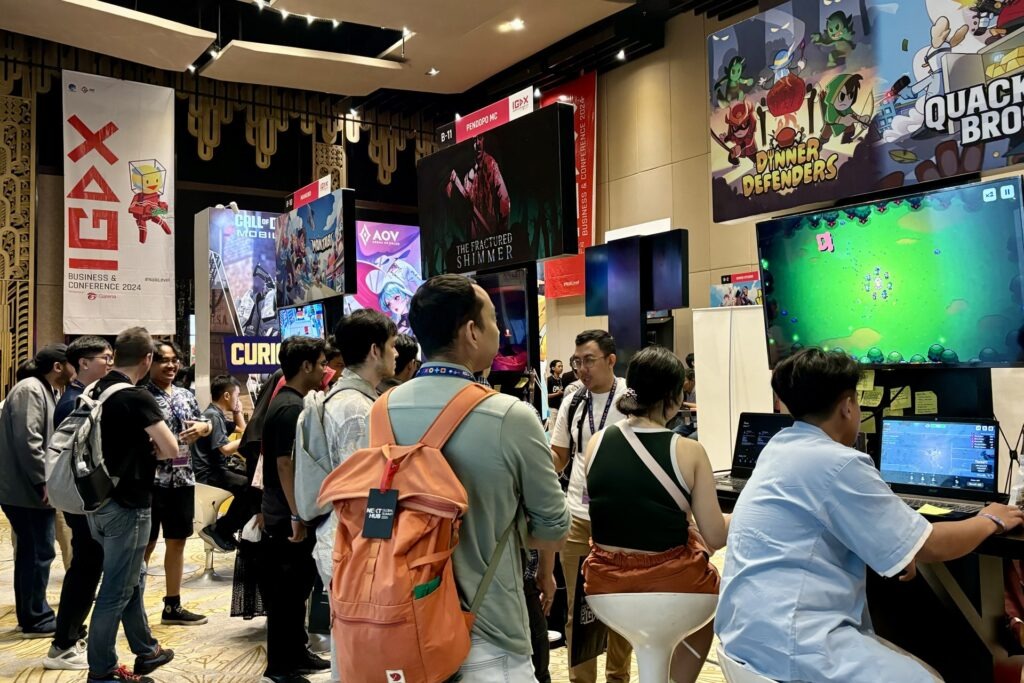
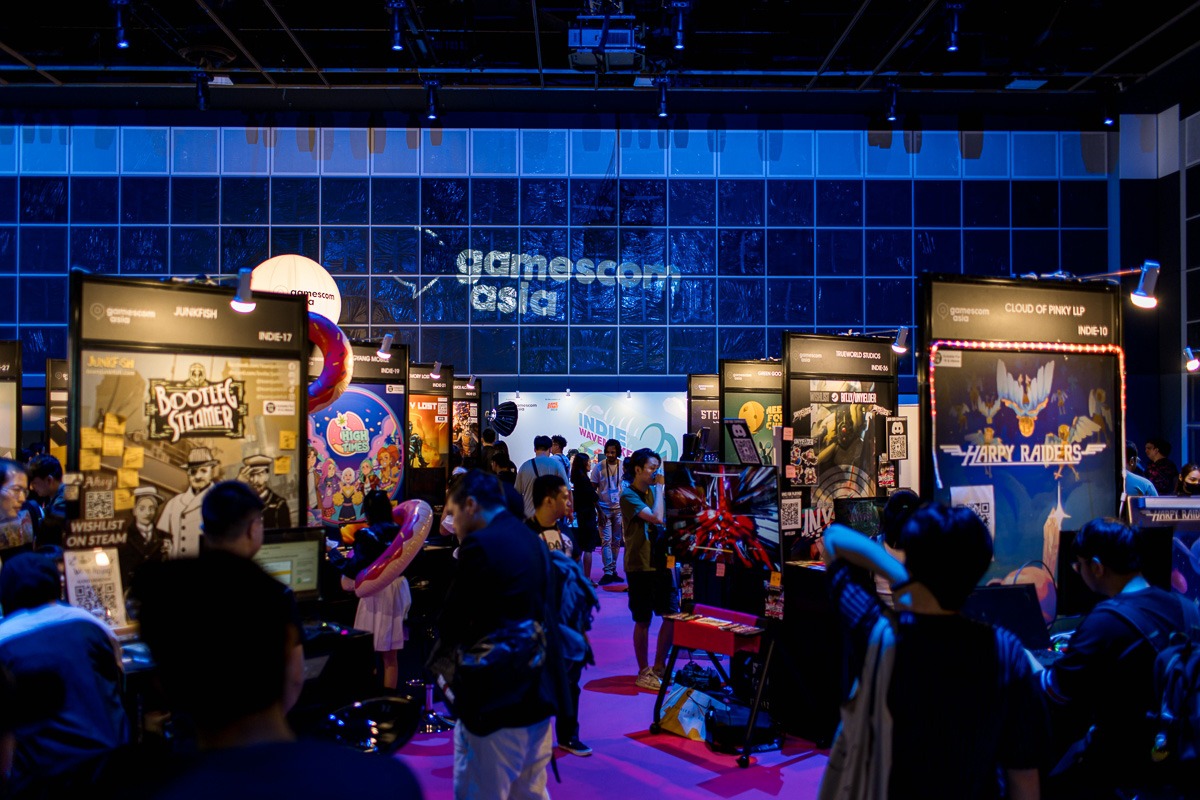
In Southeast Asia’s (SEA) bustling cities such as Manila, Bangkok, Jakarta, and Kuala Lumpur, gaming has developed from a form of casual leisure to a thriving digital culture that defines a new generation.
Every day, millions of players connect in these urban areas, whether through mobile screens, late-night PC battles, or live streams that draw thousands of viewers. According to a report by Niko Partners, Southeast Asia’s video game market is expected to reach 285.82 million users by 2024.
This number is predicted to increase by 1.5% to 290 million in 2025, reaching 324.4 million by 2029, with a 5-year CAGR of 2.6%. The development is fueled by the growing popularity of online communities, massive fanbases, local storytelling, and even prospective eSports careers.
As the gaming culture in this region grows, players and developers are altering the rules in a more dynamic gaming universe—incorporating local languages, values, and social customs into digital storylines that mirror their society in more innovative ways.
In this article, we explore the key sectors that support the development of gaming culture in this region and how they help redefine storytelling in games across Southeast Asia.
From Internet Cafes to Digital Communities
Over the past two decades, Southeast Asia’s gaming culture has significantly evolved from entertainment activities in internet cafes to a multibillion dollar industry powered by eSports, mobile technology, and digital communities.
In many SEA nations, including Indonesia, the Philippines, and Malaysia, gaming has evolved beyond simple entertainment to become a way of life, a professional career path, and a modern narrative medium.
The Golden Era of Internet Cafés and PlayStation Rentals

Source: Pexels.com
Prior to the widespread use of smartphones and high-speed internet in the early 2000s, Southeast Asia’s gaming hotspots were internet cafés and PlayStation rental stores. The era was typified by games like DOTA, Ragnarok Online, and Counter-Strike, which exposed millions of young players to competitive online gaming.
Meanwhile, gamers played Grand Theft Auto (GTA), Tekken, and Winning Eleven for hours in the recesses of PlayStation rental stores. These cafes became gamers’ second homes in several Southeast Asian cities. Furthermore, they also functioned as early eSports incubators, as local rivalries and neighborhood competitions established the groundwork for a competitive spirit across the region.
The Rise of Online Gaming and eSports
Southeast Asia started to enter the online gaming era in the mid to late 2000s as internet access increased. Following competitive games like DOTA 2 and League of Legends, MMORPGs (Massively Multiplayer Online Role-Playing Games) like Ragnarok Online, MapleStory, and Perfect World started to dominate the gaming market. Professional esports in the region also began to emerge at this time.
The establishment of organized teams by nations like the Philippines and Indonesia paved the way for regional competitions like the Garena Youth Championship and the Southeast Asia Games’ eSports divisions. A new kind of gaming influencer culture emerged as a result of streaming platforms like YouTube and the gradual emergence of eSports celebrities.
The Mobile Gaming Revolution
The next significant shift in Southeast Asian gaming culture was the rise in smartphone use, which has a larger market reach and provides faster internet connections. Games have evolved with easier access—no longer confined to internet cafes or consoles.
Mobile games such as Mobile Legends: Bang Bang, PUBG Mobile, and Free Fire have become cultural phenomena, attracting millions of players every day.
Mobile gaming has also democratized access, allowing anyone with a smartphone to participate. Professional gaming is now more accessible than ever because of the growth of mobile eSports competitions, which have transformed regular players into regional champions.
Different Countries, Different Stories
While a shared enthusiasm for gaming connects this region, each Southeast Asian nation offers something distinct. We examine how gaming culture varies among Southeast Asian nations in this section, emphasizing the distinctive features of each nation’s gaming storytelling.
Philippines: Social and Mobile Gaming at Its Core
Video games are ingrained in social interactions in the Philippines. The Philippines is among the countries with the highest number of social media users in the world, and this social spirit is also reflected in the gaming world.
Due to their accessibility and affordability, mobile games like Call of Duty: Mobile and Mobile Legends: Bang Bang are very popular in this country. With the rise of regional eSports teams, gaming communities are becoming increasingly prevalent, particularly in MOBA (Multiplayer Online Battle Arena) games.
Indonesia: A Massive Mobile Market
Based on population, Indonesia has emerged as Southeast Asia’s largest gaming market. With a population of over 270 million, the rise in mobile gaming has been fueled by a youth population and rising smartphone penetration. The youth population now revolves around gaming culture, which has fueled the growth of numerous influencers and streamers with large follower audiences.
Local game creators are also expanding, producing original material with an Indonesian cultural context that can reach the global market, such as DreadOut, A Space for the Unbound, and Tahu Bulat Simulator.
Thailand: Competitive and eSports-Focused
Thailand has one of the most competitive gaming environments in the SEA region. The nation encourages both recreational and competitive gaming, and its robust eSports infrastructure—which includes national competitions and government support—is creating more and more job prospects in the gaming industry. Thailand has even invested in educational programs, training facilities, and innovation hubs (such as the Digital Edutainment Complex) to develop digital skills related to eSports and gaming.
Malaysia: A Diverse Gaming Landscape
Malaysia’s gaming culture is shaped by its diversified community. Gamers in the country come from a variety of ethnic origins, which is reflected in their gaming tastes and community dynamics.
Malaysian audiences are strongly involved with international gaming trends, while also supporting the development of indie games and local creators through the annual Level Up KL convention, Southeast Asia’s largest event for game industry professionals.
How Game Culture Shapes Modern Storytelling
As one of the world’s fastest-growing gaming regions, Southeast Asian countries are seeing a growth in players and local developers. As a result, there is an increasing need for games that reflect culture, language, and real-life experiences. This has generated a trend of narrative-driven games that explore distinct subjects.
1. Folklore as a Foundation of Game Narrative
In Southeast Asia, a lot of local games have their roots in regional mythology and spiritual beliefs. These folktales have been handed down through the generations, and now interactive media is giving developers new platforms. For instance, the game Home Sweet Home (Thailand) uses tales of Thai ghosts and superstitions to tie up the psychological horror genre.
Additionally, there’s a game named Pamali (Indonesia), a narrative horror game in which each chapter explores different myths or taboos from Indonesian culture.
2. Urban Loneliness and Social Commentary
Game developers draw inspiration from bustling, modern urban settings to create narratives that capture loneliness, generational disparities, and mental health issues that many young people experience.
A Space for the Unbound (Indonesia), for instance, is a narrative adventure set in 1990s rural Indonesia With a narrative influenced by magical realism and Southeast Asian sensibilities, this game tackles issues of anxiety, depression, and self-discovery.
3. Cultural Fantasy/Historical Fiction
Many developers have been motivated by the fascinating history of Southeast Asian nations to use traditional arts, old kingdoms, and local heritage to reinvent folklore as fantasy and tell epic stories. Krut: The Mythic Wings (Thailand), for instance, blends side-scrolling combat with fantasy lore and contains figures from Thai mythology based on the Ramakien. Also, Kabaret (Malaysia), a dark fantasy narrative game inspired by Southeast Asian myths and legends, that allows players to interact with over 20 mythical creatures in a mystical realm.
4. Satirical or Social Commentary
Social critique through humor or symbolism—addressing issues such as power imbalance, consumerism, or media influence—is typically the storytelling focus of this game style. For instance, the government simulator game Political Animals (Philippines) uses a humorous aesthetic to critique the electoral system and corruption. There is also a game called Shepherd’s Plan (Thailand), a point-and-click puzzle gameplay that satirizes corporate life and office politics.
Local Myths in a Digital World
Developers across Southeast Asia often integrate folklore, spirituality, and cultural identity into modern narrative games—sometimes at considerable financial and personal risk. Here are some inspiring examples that prove local myths have a strong place in modern storytelling.
1. Home Sweet Home (YGGDRAZIL Group)
This horror game is based on Thai ghost mythology, including ghosts such as “Phi Tai Hong,” and the gameplay revolves around Thai customs and traditions.
The majority of the spirits and rituals portrayed are highly local, causing the audience to worry that these cultural references would confound international players. On the contrary, the game became a success due to its own mythos and engaging storyline, demonstrating that authenticity can be a strength in horror games.
2. The Legend of Puteri Gunung Ledang –in development (TiMi Studio Group)
The story of Puteri Gunung Ledang, a mythical princess from Malay mythology who turned down the Sultan’s proposal with impossibly high expectations, is adapted in this upcoming narrative-based role-playing game.
The game retells a well-known myth, and it may be criticized if the story is changed too much. It is also very difficult to localize for a non-Malay audience.
3. Hoa (Skrollcat Studio)
Hoa draws a lot of inspiration from nature, art, and Vietnamese storytelling traditions, even if it isn’t based on any particular tale. The game portrays a peaceful, emotional narrative of a young girl returning to her own homeland through lovely, hand-painted graphics.
In stark contrast to current gaming trends, the game relies more on ambiance and emotion than on action-packed gameplay or dialogue.
When Games Become Gathering Places
Source: Pexels.com
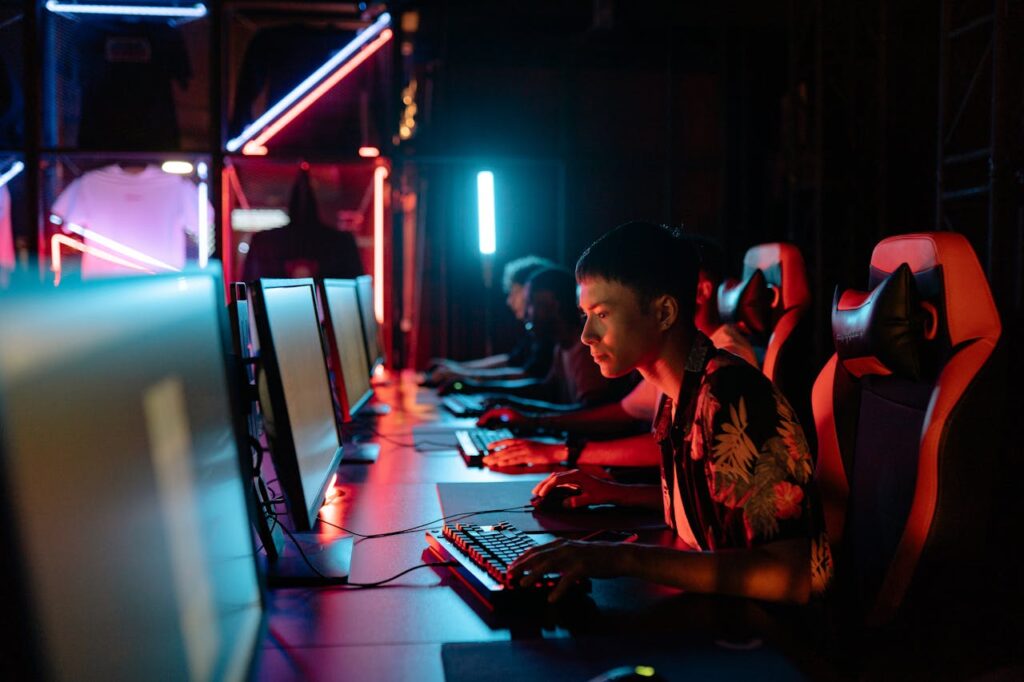
From online guilds to crowded gatherings and active Discord servers, video games have transformed into digital gathering places where friendships are formed, cultures are shared, and communities emerge. This chapter delves into how gaming has evolved into a powerful social and community platform in Southeast Asia, boosted by guild culture, online communities, game festivals, and more.
1. Guilds and Clans: Digital Families
Beyond merely in-game partnerships, guilds have long been a part of MMORPGs and competitive games like Mobile Legends, Genshin Impact, and Ragnarok Online. They are gathering places for people, frequently acting as virtual families. Loyal members are the driving force behind this; they frequently organize events and battles, and may even meet in person or stay in touch for years.
2. Discord Server: Southeast Asia’s Digital Campfires
Discord’s popularity has exploded in Southeast Asia, making it the dominant platform for gamer communities, content creators, and game developers.
Discord offers voice and text channels for coordination, along with safe spaces for niche gaming communities such as LGBTQ+ players, local language speakers, and indie developers.
3. Gaming Conventions: From Screen to Reality
Game conventions in Southeast Asia have evolved into major cultural events, drawing thousands of attendees celebrating cosplay, eSports, indie developers, and fandoms. For example, the Thailand Game Show attracts approximately 160,000 attendees each year through eSports events and cosplay competitions.
4. Mobile Gaming Meetups
Due to the popularity of MOBA games in Southeast Asia, both official and informal social gatherings of mobile gaming players have grown significantly.
In the Philippines, some brands and telecom companies even sponsor mobile gaming trucks that carry servers and equipment to many neighborhoods, transforming rural areas into pop-up eSports arenas.
Game Culture, AI and the Future of Play
A new force is influencing the future of games as the Southeast Asian gaming market grows dynamically: the integration of Artificial Intelligence (AI) technology, which creates opportunities for developers, content creators, and players.
In this segment, we encourage you to explore the potential opportunities offered by AI for the development of gaming culture in Southeast Asia.
1. AI-Enhanced Community Moderation
Since online toxicity in multiplayer games is still an important issue, artificial intelligence (AI) can be used to interpret and comprehend local languages, automatically identify toxic behavior, and foster a friendly and inclusive community space.
This is particularly crucial in SEA, as the diversity of languages with disparate slang and humor can lead to misunderstandings and complicate the use of traditional moderating approaches.
2. AI-Powered Game Education
AI will eventually make it easier for young artists from schools with limited resources or rural areas to get a top-notch education in game design. AI tools can democratize learning by offering personalized game development courses.
3. AI-Assisted Game Storytelling with Cultural Context
The sophistication of AI technology in the future will help developers create storylines based on local myths, traditions, and societal context, allowing for culturally appropriate storytelling for both local and global audiences.
4. AI-Generated Voiceover and Dialogue
Producing voiceovers in many languages or dialects is a common challenge for game developers. AI voice creation technology enables developers to generate realistic dialogue for various characters.
Beyond the Screen
With more developers localizing their content and creating storytelling inspired by Southeast Asia’s unique heritage and culture, the area is emerging not only as a market but also as a key force in storytelling.
Southeast Asian creators and game developers are working to create a new narrative language that emphasizes variety, emotion, and cultural innovation through creativity, collaboration, and technology.
From local mythology to futuristic adventures, the region’s narratives are being reimagined as interactive experiences that captivate audiences emotionally.
When combined with the sophistication of AI systems that progressively aid game content generation, the future of gaming in this region is not imported—it is authored, played, and enjoyed by the locals.