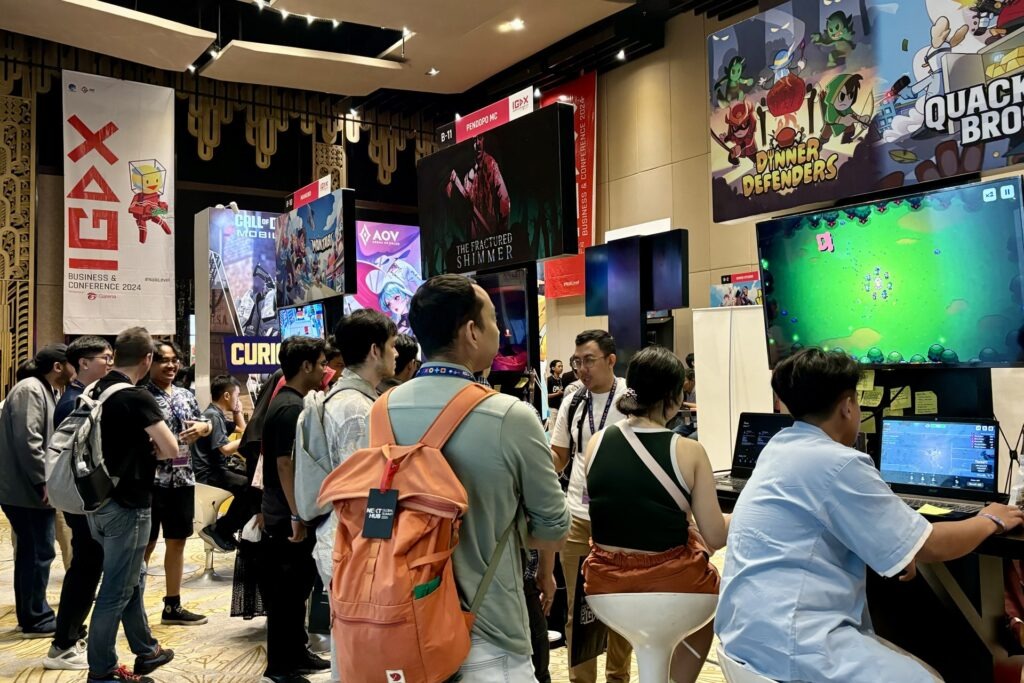
It can feel like you’re standing on the brink of a huge digital frontier when you publish your first video game—exciting, uncertain, and brimming with possibilities. Learning how to effectively publish your first game could make the difference between achieving major success and getting lost in a sea of competitors, regardless of whether you are working as a small team or as an individual developer.
Let’s examine the journey of a large studio when they first published their game. For example, CD Projekt Red released their flagship game, The Witcher, in 2007. They were far from the dominant gaming studio at the time. Their objective was straightforward: to produce an RPG with an intriguing premise that could compete with other popular titles, despite having just a small team, limited funds, and no prior publishing experience.
Their experience is an excellent reminder that preparation, determination, and savvy publishing strategies are more important for success than having a large budget. This comprehensive guide will help you through every stage of successfully publishing your first game, from pre-launch preparation to marketing and post-release guidance.
Understanding the Basics of Game Development

Source: Pexels.com
1. Concept & Planning
Every game has an initial concept. Finding a theme, learning gameplay mechanics, or crafting a compelling narrative are some examples of this process. The development team has to decide on the platform the game will operate on, determine the budget and resources, sketch up fundamental concepts, and explore multiple possibilities during this phase. Additionally, market research is essential for developers, including analyzing successful games within your target genre. This phase encourages innovation in terms of audience preferences and helps determine whether your idea will be commercially successful.
2. Design (Mechanics, levels, UI/UX)
The next step is to develop the game design, which can be broken down into the following stages once the concept and planning are established.
3. Mechanics Design
Player movement and control, battles, score calculation, progression, character interactions, and other gameplay systems are examples of game mechanics, which are the rules and systems that determine player experience.
4. Level Design & World-Building
Creating environments where players can engage with game mechanics is the objective of level design and world building. This includes layout, pacing, difficulty progression, obstacle arrangement, reward layout, checkpoint setup, and the division between levels or zones. The construction of game levels should progressively increase in complexity and difficulty to encourage player mastery of mechanics. To improve balance and difficulty levels, iterative playtesting is crucial.
5. UI/UX Design
Player interaction with the game can be significantly influenced by its User Interface (UI) and User Experience (UX) design. Players will feel comfortable and not have any trouble navigating the menus or controls of a well-designed UI/UX. Therefore, identifying control issues in the game is made much easier by its development of wireframe prototypes and user testing from the start of the project. UI consists of controls, tooltips, icons, menu appearance, and HUD (Heads-Up Display). UX, on the other hand, includes elements like learning convenience, error prevention, and feedback.
6. Programming
Programming will transform the ideas into practical processes once the design has been completed. You must first select a game production engine. The majority of modern game development makes utilization of a framework or game engine, such as Unity, Unreal Engine, Godot, or a customized engine. After selecting your engine, configure the pipeline, module structure, and core layout.
7. Testing & Optimization
This stage transforms the running build into a smooth and stable product. Game testing should cover both gameplay and technical aspects. This procedure has multiple steps:
- Functional/Unit testing: Core code modules.
- Integration testing: testers finding how subsystems interact.
- Playtesting/QA testing: finding bugs, balance issues, UX challenges.
- Regression testing: ensuring that new changes don’t break the existing features.
- Performance testing: frame rate, memory, loading times.
- Compatibility/platform testing: across devices, screen sizes, hardware.
Preparing for Publishing: Before You Hit ‘Upload’
The following are the key areas you need to optimize reach, credibility, and player experience: maintaining a strong branding & identity, producing an engaging gameplay trailer, and developing a strong testing and feedback loop. Let’s examine each topic separately.
1. Branding & Identity
Players can judge your game based on its branding and identity. As a result, picking a memorable logo and visual aesthetic that reflects the title of your game is essential. Choose a color scheme, font, and visual elements that will be used consistently across your website, store pages, user interface, and marketing collateral. Establish a style guide for the dialogue/shape language, UI components, and iconography to make all the materials feel consistent. Building recognition and trust can be facilitated by following these graphical rules.
2. Gameplay Trailer
A captivating trailer is a key component of a game’s appeal, not only its aesthetic. Real gameplay, not just cinematography, must be featured in an interesting trailer. Players want to see the controls, core loops, and mechanics of the game. The atmosphere of the narrative that you want to express in the game should also guide the way you combine music, color, tempo, and visual effects. Make sure the trailer video is between 60 and 90 seconds long, and customize versions for each platform, such as a full-screen version for YouTube, Steam, and Reels, and a short vertical cut for TikTok and Reels.
3. Testing & Feedback Loop
You must thoroughly test the game and make any necessary modifications based on user feedback before officially publishing it. If you neglect the feedback, you run the danger of making things seem unclear. Additionally, you might be expected by publishers, media, and retailers to substantiate the game with player data and favorable reviews.
Choosing the Right Platform to Publish Your Game

Source: Pexels.com
Your first game’s technical requirements, review procedure, revenue sharing, and exposure are all significantly impacted by the platform you select. For the purpose of selecting the most ideal platform for your first game, let’s examine the pros and cons of each of the following platforms: Steam, Google Play, App Store, Itch.io, and the Epic Games Store.
1. Steam
With millions of users, Steam is one of the biggest PC gaming platforms. To compete with fierce rivals, you must develop an interesting marketing strategy. About 30% of sales are usually taken by Steam as revenue share. Compared to some other platforms, the review and submission procedure is less moderated; nonetheless, it still adheres to standards for functionality, content, malware-free status, and other factors. In addition, it also demands paperwork, tax, and identity verification, and Steam Direct also has a $100 USD submission charge per game, which is refundable once you hit a specific gross sales level.
2. Google Play
With an enormous user base of Android OS mobile devices, Google Play is a great platform for mobile games that supports a variety of desktop and large-screen devices. This platform has the advantage of having more flexible requirements and a publishing procedure that is often simpler than iOS. This platform’s disadvantages include Android fragmentation (multiple devices, performance problems), which makes screening across different devices more difficult, and the possibility of being lost amid millions of other apps—a difficulty for players to find.
3. App Store
If you want to reach a broad and high-spending audience, this platform is ideal for you to use. But when it comes to UI performance, design, and privacy, Apple reviews and policies are notoriously more stringent than those of other platforms. The App Store approval standards also specify information, screenshots, and other requirements for security, performance, design, and legal considerations. As a result, misplaced components or subpar UX frequently result in rejection or release delays.
4. Itch.io
Itch.io is more favorable to indie, experimental, niche, prototype, and free/low-cost games than other platforms. For small developers, this platform is frequently highly profitable because it is more customizable and gives them the option to select the percentage of revenue that is collected. You can also easily publish your game on your own, and the curation process is simple. However, due to the platform’s smaller audience and lack of visibility, revenue and marketing support are extremely constrained.
5. Epic Games Store (EGS)
Though less constrictive than some mobile platforms in certain aspects, the evaluation and submission procedure is frequently more curated than the itch.io platform. In order to publish a game on the Epic Games Store (EGS), you must adhere to a number of EGS quality standards, including age ratings, content policies, and others. Furthermore, Epic typically takes a smaller percentage of sales—12%—than some other gaming platforms.
How to Publish Your First Game Successfully
Undoubtedly, the process of publishing your first game is both thrilling and risky. Many indie games get overlooked because of poorly planned launches. To increase your chances of success, you should focus on these six fundamental pillars:
1. Set a Realistic Timeline
A carefully constructed timeline will keep your project on track and avoid last-minute difficulties. Due to inadequate timelines that result in turmoil from severe work pressure, many developers delay the release dates of their games on different platforms. A realistic timeline provides for contingencies for unforeseen problems, further playtesting, and strategic planning for marketing. Establish the desired release date first, then work backward to establish due dates for trailers, quality assurance, localization, platform submissions, and other tasks to create an achievable timeline.
2. Optimize Your Store Page
Potential audience first impressions are frequently shaped by your store page on gaming platforms like Steam, the App Store, Google Play, itch.io, and others. It is crucial to convert the audience’s interest into clicks and purchases. Utilize game titles that are clear, appealing, and simple to recall to make your game stand out from the competition. Since your game’s primary graphic and feature images serve as its visual appeal, always make sure to convey the game’s genre, style, or USP (unique selling point).
3. Marketing and Community Building
A vibrant community and effective marketing strategy will help your game become well-known and frequently discussed. Therefore, visibility is necessary to reach a larger audience. Regularly posting content with relevant hashtags across several social media platforms is necessary to keep your popularity consistent. Maintaining momentum also requires community engagement, such as setting up Telegram or WhatsApp groups, subreddits, or Discord servers—where you can share updates, polls, Q&A sessions, and special events in the community group.
4. Collect Feedback and Update Often
Iterating and paying attention to audience feedback are critical for long-term success, reputation, and retention. To see how your audience behaves, you may create a channel or use polls and forums. Sort and prioritize feedback by identifying recurring issues or frequent complaints. You can use this data to determine and manage which content needs to be improved with updates (bug repairs, balance, quality).
5. Monetization Strategies
The success (or failure) of your game may depend on how you monetize it. To strike a balance between player experience and revenue, you must carefully consider your options. You may employ a number of strategies, including:
- Premium (Pay to own): One-time payment for the entire game.
- Free-to-play with in-app purchases (IAP): The base game is free, with monetization through expansions, conveniences, and more.
- Ads/Rewarded Ads: Displaying ads to offer rewards (special items, extra lives, or in-game currency).
- Subscription/membership models: You can get continuous access by paying a monthly subscription for premium membership.
- DLC/Expansions/Season passes: Post-launch content that is sold separately—levels, stories, and more.
- Hybrid models: A monetization approach that combines multiple methods (for example, base game purchase with optional DLC + IAP).
6. Integrate Localization and Translation Into Your Design
The goal of localization is about making each player feel as if the game was designed just for them. If you want your game to reach players globally, localization should never be an afterthought. You should plan for translation support from the start. Here’s how:
- Use Unicode and dynamic text boxes for different scripts.
- Avoid embedding text in graphic assets.
- Keep your dialogue and UI strings in separate localization files.
- Work with some native translators who understand gaming culture—not just the language.
Common Mistakes to Avoid in Your First Game Launch
To help you follow this path smoothly, we’ve developed a list of common pitfalls that you should avoid as a beginner developer.
1. Poor Store Page/Marketing Preparedness
If you fail to conduct market or competitive research, you are unable to reach the appropriate target audience. In addition, you upload terrible trailers or descriptions that don’t adequately convey the game’s substance, which is another reason why the target audience frequently overlooks your game.
2. Ignoring and Neglecting Community Feedback
Some successful games often rely on a large community rather than selling themselves. One issue that frequently arises for game developers is releasing the game without allowing anyone outside the development team to experience it and refusing to take community feedback seriously.
3. Unrealistic Timelines
The work feels burdensome and challenging since most developers fail to set realistic timelines for the development process, QA, marketing, platform requirements, platform certification, localization, and other tasks.
4. No Monetization Strategy
Your first game will receive a lot of bad reviews if your monetization strategy isn’t in line with your target audience. This leads to minimal revenue, which in turn results in a very limited budget for updates, fixes, or the release of your next game.
5. Improper Quality Assurance and Testing
Many games are released with numerous bugs, glitches, crashes, or unbalanced gameplay. When players utilize different devices or combinations, new problems can occur because testing can sometimes be restricted to development conditions.
Post Launch: Maintaining and Growing Your Game
Publishing a game is only the first step. Building retention, expanding your player base, and generating long-term effects all happen in the post-launch. After the game is released, you must follow a few procedures to keep it updated and improved.
1. Monitor Reviews & Comments
Rankings are heavily influenced by public opinion, which in turn affects search results and purchases. Following your game’s launch, you must carefully address feedback from players and look for errors or issues that commonly arise on different hardware. Apart from keeping a check on game platform reviews, you can also use Discord to create a community or monitor social media comments.
2. Provide Regular Updates
Players frequently want to see updates and new features that can be added to the game. You can create a roadmap outlining gameplay enhancements (balance, controls, and difficulty) and new content releases, as well as quality improvements (loading speed, UI fixes, and performance).
3. Leverage User-Generated Content
Strong community engagement and User-Generated Content (UGC) are effective strategies for growth and retention. Fan art, mods, and custom levels are examples of user-generated content (UGC) that foster awareness, boost engagement, and help expand the game’s reach. It’s an affordable way to create fresh content while organically promoting the game.
Conclusion: The Key to Your First Game’s Success
A successful first game publication requires planning, tenacity, and community connections—it is not a matter of mere chance. From small indie developers to bigger studios, all developers start with just one game that teaches numerous essential lessons. The process of developing your first game involves several challenging steps; therefore, the path to success is not straightforward. Your first game can be the beginning of something truly remarkable if you take the time to research your market, create a solid community, and establish a realistic timeline.