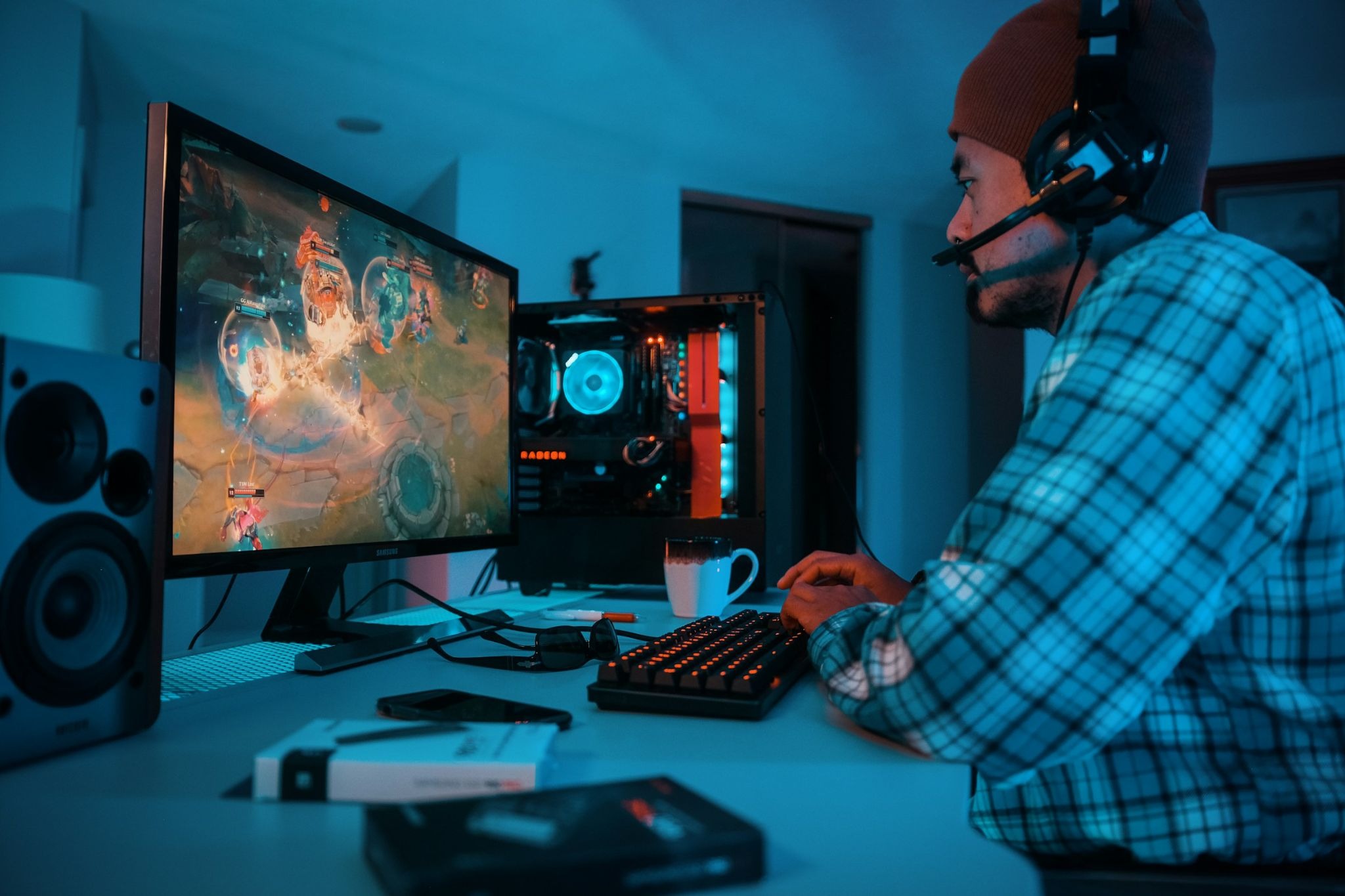
When a game relies on text instructions, where do players look? In an eye-tracking study on subtitled instructions, 64 participants played a game guided by subtitled, spoken, or combined audio-visual cues. Players focused on the subtitles addressed to them, and the absence of audio increased their reliance on those subtitles. The finding shows how much visual attention reading draws during play.
For a producer or audio lead, that attention is a design resource. Every line a player reads mid-combat shares the screen with the action. In Southeast Asia, many players meet that text in a second language, and second-language players show higher fixation counts on game subtitles. Game voice-over localization moves part of that load from the eyes to the ears, which leaves players free to follow the action and the story at once.
The sections below show where game voice-over localization earns its budget and how to plan casting, languages, and testing around it.
Voice-Over vs Subtitles: Choosing the Right Audio Level for Your Game
Audio localization usually sits at one of three levels. Subtitles only keep the original voices and add translated text. Partial localization translates text and dubs selected content, such as tutorials or key characters. Full dubbing re-records every line. As the game developer’s audio localization guide notes, partial localization costs far less than full, while some markets expect dubbed versions.
When Subtitles Are Enough
Subtitles work best when players control the reading pace. Puzzle games, turn-based strategy, visual novels, and card games naturally allow players to stop and read before acting. A subtitles-only approach is also ideal for games with low dialogue volume, early market testing, or titles where the original voice cast is a major draw, such as anime-inspired RPGs.
When Full Voice-Over Fits
Full voice-over fits when four conditions line up: an action-heavy or story-driven genre, substantial spoken dialogue, a target audience that expects dubbed content, and a budget that supports full production. The process requires casting native actors, adapting scripts for spoken flow and animation timing, directing recording sessions, and verifying lip-sync in cutscenes. Because the dubbing script relies on translated copy, it should be planned directly alongside game text localization.
Where Voice-Over Adds the Most Value in a Localized Game
Genshin Impact shows how coverage can split between text and audio: it supports 13 text languages and four voice-over languages, Chinese, English, Japanese, and Korean. Few teams can voice everything in every language, so the question is which content gains most from local voices.
Character Voice Lines and Battle Cries
Short combat lines repeat constantly during a session. A local voice lets players recognize a hero or skill call without looking away from the fight, and it shapes how the community quotes that character. Prioritize these lines when your game has a hero roster, competitive modes, or characters sold as premium content.
Tutorials, Narration, and NPC Dialogue
Tutorials introduce new mechanics when player attention is already divided, so voicing them allows newcomers to listen and practice at the same time. Narration and NPC dialogue matter most in story-driven games where quest context carries the plot, which is why partial dubs often start here; sound design and voice-over shape immersion from the first minutes.
Trailers and Marketing Videos
A trailer is often a player’s first contact with the game, usually watched on a phone. Local narration makes the pitch clear in the first seconds. Prioritize voiced trailers before a launch or seasonal event in a new market, alongside localized game marketing assets.
Casting Localized Voice Actors for Games: Accents, Dialects, and Register
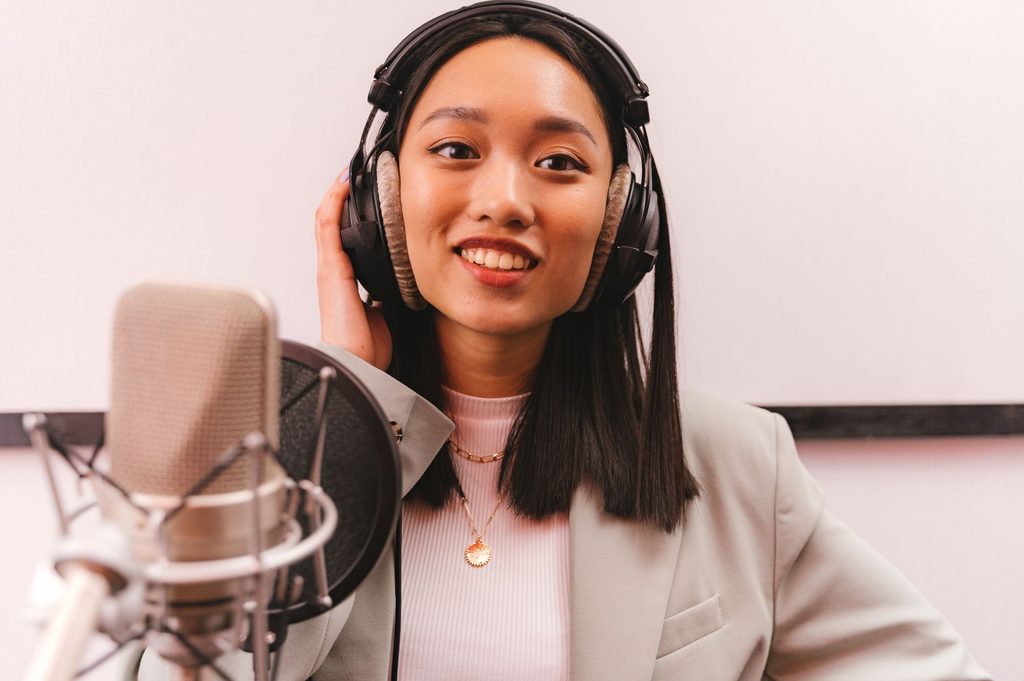
The SpeeQual Games audio team describes AI-generated voices as fast and scalable, while casting and direction bring the emotional cues, local accents, dialects, registers, and natural pacing that gamers expect. Choosing localized voice actors for games begins with a clear brief.
Building a Casting Brief
A strong casting brief contains three elements. The first is a character sheet with age, personality, role in the story, and a reference image. The second is a set of emotional references for key scenes, such as calm, wounded, or triumphant, with sample lines. The third is a glossary of character names, place names, and skill terms with approved pronunciation. Together they give actors and directors a shared picture of the character before the first take.
Dialect and Register Decisions Within One Language
One language contains multiple ways of speaking. In Indonesia, for example, a royal character might use formal Indonesian, a street fighter may speak in casual Jakarta slang, and a young squadmate might use gaming vernacular. Work with native reviewers who play the genre to define each character’s register, then document those choices in the brief to keep future recording sessions consistent.
Planning Game Dubbing in Southeast Asia Across the Region’s Language Landscape
Each ASEAN member state has between one and four official languages, and together they range from Indonesian and Thai to Khmer, Lao, and Burmese. Recording all of them at launch is rarely realistic, so language planning becomes a sequencing decision.
Phased Voice-Over Rollout
Start your voice-over rollout in the language where your data shows the largest player base, using wishlists, pre-registrations, or soft-launch results. Voice the priority content first, gather player feedback, and then roll out additional languages in subsequent updates. This phased approach keeps casting choices consistent, as the initial language serves as the benchmark for future dubs.
Budget Drivers per Language
Each language can be estimated on four drivers. Script lines to record come first, once the voiced content is decided. Voiced characters follow, since each needs casting and a distinct direction plan. Studio hours come next, including pickups for lines that change late, and revision rounds complete the picture, shaped by script changes and client review.
AI Voice-Over and Human Voice Actors: How the Two Workflows Fit Together
Neural voice cloning can generate characters with local accents and that real-time dubbing can render local voices during live events or seasonal updates. Many teams now run AI-assisted and human workflows side by side, each on different content.
Use Cases for AI-Assisted Voice
AI-assisted voice suits recurring event content, such as announcements that follow the same pattern each season. It also works for prototype voices that test timing before casting and for additional lines like system prompts or ambient barks. A human review step then checks pronunciation, pacing, and emotional clarity.
Human Direction for Character-Critical Lines
For main characters and story scenes, a voice director guides each take toward the intended emotion and keeps performances consistent across sessions. A native reviewer confirms that dialect, register, and cultural references sound right to local players. The choice between workflows depends on each line’s role in the game.
Audio LQA: Checking Timing, Triggers, and Mix

A SpeeQual Games article on game audio localization highlights several common errors: lines triggering incorrectly, audio cutting off mid-sentence, and subtitles or visual assets failing to match the voice track. In-build audio LQA catches these functional and sync issues before players ever encounter them.
What Audio LQA Testers Check
- Trigger accuracy: each line plays at the right moment and for the right character.
- Intonation: delivery matches the scene, such as urgency in combat.
- Mix levels: voice stays clear against effects and music.
- Subtitle sync: on-screen text matches the spoken line in content and timing.
Building Audio LQA Into Live Updates
Live patches and events continually add new dialogue, so audio testing fits naturally into the post-launch schedule. Booking an audio LQA pass for every content drop, verifying event lines within the build before release, and rerunning checks whenever late script updates occur keeps each update polished.
Game voice-over localization succeeds when every step is intentional: choosing the audio level that suits the genre, prioritizing key assets, casting authentic talent, and verifying quality in-engine. Handled strategically, it eases reading load mid-game and makes characters feel natural to players across Southeast Asia.
SpeeQual Games brings 24+ years of localization expertise and 10+ years of gaming specialization, with native voice actors, audio directors, and AI voice-over review. Talk to our team about voice-over and dubbing for your game in Southeast Asia.