In today’s gaming landscape, creating a fantastic game is only the first step. Developers can create excellent mechanics and deep stories, but they still struggle to stand out in a market saturated with releases and competing entertainment. However, multichannel distribution and cultural relevancy are now equally vital for success.
That is why choosing the right game publishing partner may shape a game’s future. A publisher is more than just a distributor; they connect your game to platforms, players, and a global audience.
Beyond budgets and income distributions, what is truly significant is alignment. The most effective partnerships feel more like collaboration rather than business transactions.
Is your publisher a partner or just a financier? Navigate the complexities of global distribution and discover how to choose a partner that scales with your vision.
Beyond Funding: Evaluating Strategic Value Add
One of the most common fallacies in publishing is that a successful global launch is really a scaled-up local launch. In reality, each market runs differently, and ignoring this difference is one of the fastest ways to waste a solid game.
Global reach is a commodity, but regional intelligence is a competitive edge; look for a partner who understands the localized pulse of each territory. Despite the global scope of digital distribution, the gaming sector is not homogeneous. Geographic differences are crucial in player preferences, monetization behaviors, and platform usage.
Asia-Pacific, for example, continues to dominate mobile-first engagement, while North America and Europe maintain robust console and PC ecosystems. These variances influence everything, including revenue strategies, player expectations, and preferred game genres.
Another significant distinction between a basic publisher and a strategic partner is operational assistance. A great game publishing partner gives developers access to analytics tools, which help them track performance and make wise decisions. They also help with community management, making sure that player feedback is heard and incorporated into future updates.
In the modern live-service environment, having an active and engaged community is critical to long-term success, while regional competence also extends to execution. Marketing strategies are not universal. Without adaptability, even high-quality games fail to scale.
Localization Maturity: Does Your Partner Understand Culturalization?
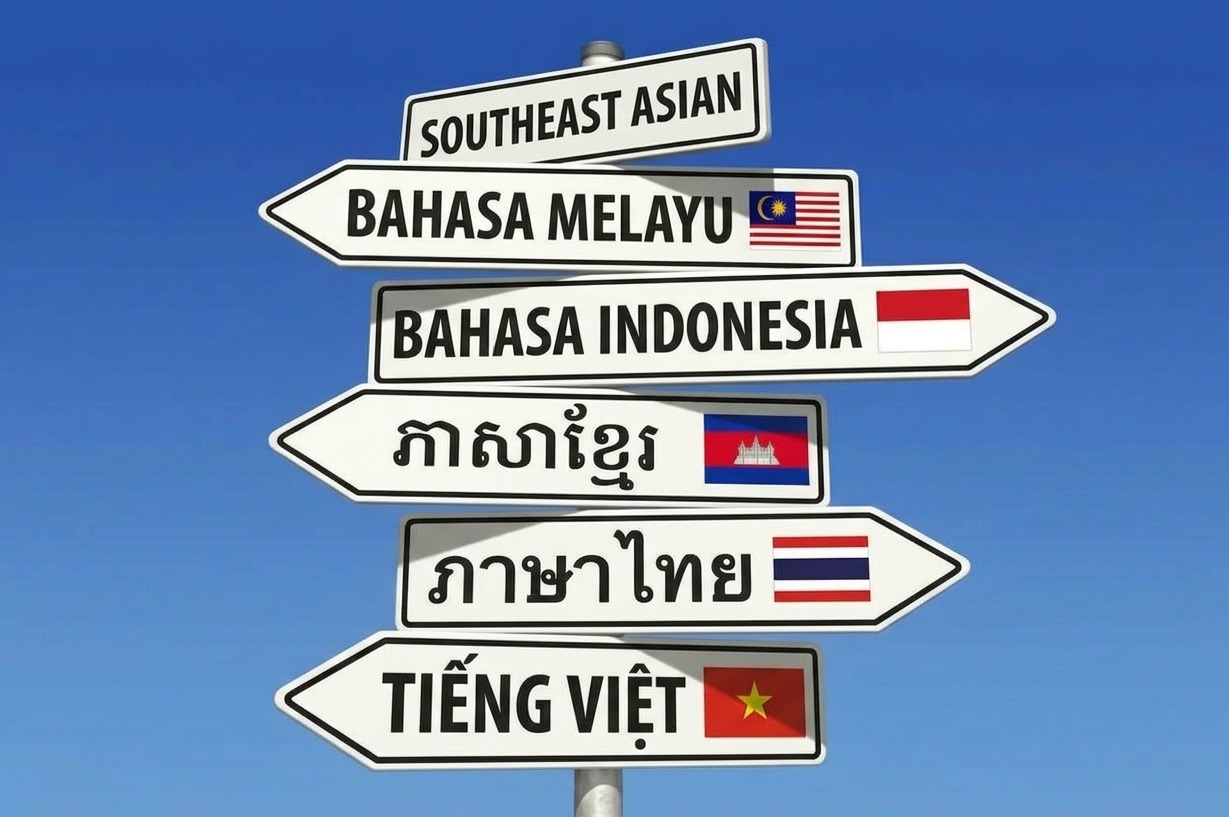
Many game publishing partner services offer “multi-language support,” but in reality, some just translate content word by word without comprehending the culture behind it. It provides a significant difference between a game that is just translated versus a game that is truly localized.
Culturalization goes far beyond language; it involves modifying tone, humor, symbolism, narrative references, and even gaming design to make the experience feel authentic to each region. Humor and idioms are culturally contingent; a masterful publisher ensures your narrative beats land with the same impact in Jakarta as they do in Berlin.
However, cultural adaptation alone is not enough. Transparency in localization is equally crucial. Developers must be able to monitor how their content evolves across regions, ensuring that narrative integrity and artistic purpose are preserved. Without this scrutiny, localization might accidentally reshape the game’s identity.
To be truly globally ready, game publishing partners must also comprehend regulatory frameworks. Diverse markets such as Indonesia demand compliance with systems such as IGRS (Indonesia Game Rating System), while other Southeast Asian countries have their own classification and content guidelines.
A professional publishing partner does not view regulation as an afterthought. They include compliance in the publishing process early on, ensuring that games are not delayed, restricted, or reworked at the last minute.
Technical Synergy: Alignment with Your Development Workflow

Many studios underestimate how fragile a game becomes when technical workflows are not aligned. A game may run smoothly during its development, but once localization, updates, and publishing processes are included, things may quickly go completely wrong.
A great game publishing partner must function as a technical extension of the development team, not as an external service. One of the most vital requirements is that their localization department understands how to integrate effectively into the developer’s workflow.
This includes working with engine-specific structures, appropriately managing string extraction, and ensuring that localized content does not interfere with gameplay systems. Without this alignment, asset management becomes disorganized. Today’s games feature hundreds of assets, including text, audio, animations, and user interface elements, all of which must be managed, updated, and synchronized.
In a mature 2026 workflow, localization is a continuous technical stream—not a final hurdle—fully integrated into the developer’s CI/CD pipeline. In a well-integrated workflow, each new build automatically triggers localization updates: new strings are extracted, translated, verified, and re-imported into the build pipeline.
This system saves manual processing, lowers human error, and assures that localization stays up with quick development cycles. Modern localization systems are increasingly intended to integrate directly with game engines and version control systems, allowing for automatic, continuous localization throughout the development process.
Transparency and Ownership: Navigating the Contractual Maze
In the urge to release a game, many developers accept publishing contracts that prioritize quick profits above long-term value. A game publishing partner may provide funding, marketing, and distribution, but these benefits are sometimes accompanied by hidden costs.
Revenue-sharing models are among the most common structures in publishing agreements. Some partnerships contain loans that must be returned through sales before developers may benefit, while others rely only on royalty shares. On the surface, these structures seem reasonable, but they may soon become complicated, especially when marketing claims are unclear or ambiguous.
The primary problem is ownership. Intellectual property (IP) forms the basis of a game’s long-term value. While many developers maintain IP rights, certain agreements nevertheless transfer partial or complete ownership to publishers based on finance and risk.
Surrendering Intellectual Property (IP) might solve today’s funding gap, but it often mortgages the studio’s long-term creative sovereignty. It might preclude them from making sequels, expanding the universe, or even employing their creativity. In contrast, holding ownership enables developers to establish franchises and expand long-term enterprises.
Transparency closes the gap. When developers have a clear understanding of both financial terms and ownership rights, they can make better decisions about which partnerships will most effectively support their goals.
Specialized partners like SpeeQual Games provide a more concentrated approach, providing clear, service-based collaboration, particularly in localization and global adaptation. Instead of ambiguous agreements, SpeeQual Games offers partnerships that emphasize transparency and defined deliverables, allowing developers to flourish globally while maintaining control over their game.
Community and Marketing: The Voice of Your Game Globally

In today’s global gaming industry, a game needs more than just players; it also needs a voice. That voice is formed by a game publishing partner’s ability to create and manage local communities across social media. Modern players find and interact with games through communities, not advertisements.
Platforms such as TikTok and Discord have become essential since these platforms enable users to exchange content, engage, and build connections inside a game. Gaming content frequently produces significant engagement on TikTok, with billions of views and a sizable proportion of users discovering new games directly on the site.
Multiple regions utilize platforms in different ways, and successful community strategies must adapt to local behavior and trends rather than taking a one-size-fits-all approach. Just as importantly, marketing must remain consistent with the game’s localized narrative. If developers culturally adapt a game to a target region, its marketing should convey the same tone and message.
Furthermore, a professional game publishing partner should prepare to deal with negative feedback and sensitive issues. Gaming communities evolve quickly, and reactions may spread within hours. Maintaining player trust and protecting the game’s reputation need quick, polite, and culturally sensitive approaches.
Conclusion: Building a Partnership for the Future
In the 2026 landscape, successful launches require technical synergy, cultural synchronicity, and a dedicated partnership rooted deeply in absolute transparency. Every choice, from selecting strategic publishing partners beyond mere funding to ensuring technical workflow integration, directly dictates a game’s progress.
Expert publishers offer more than capital; they provide the knowledge, infrastructure, and cultural insight necessary for games to thrive globally. However, developers also have to protect their creative vision and retain control over the game’s ownership.
Ultimately, trust, alignment, and shared goals create successful partnerships, ensuring both a great launch and sustainable long-term gaming success.