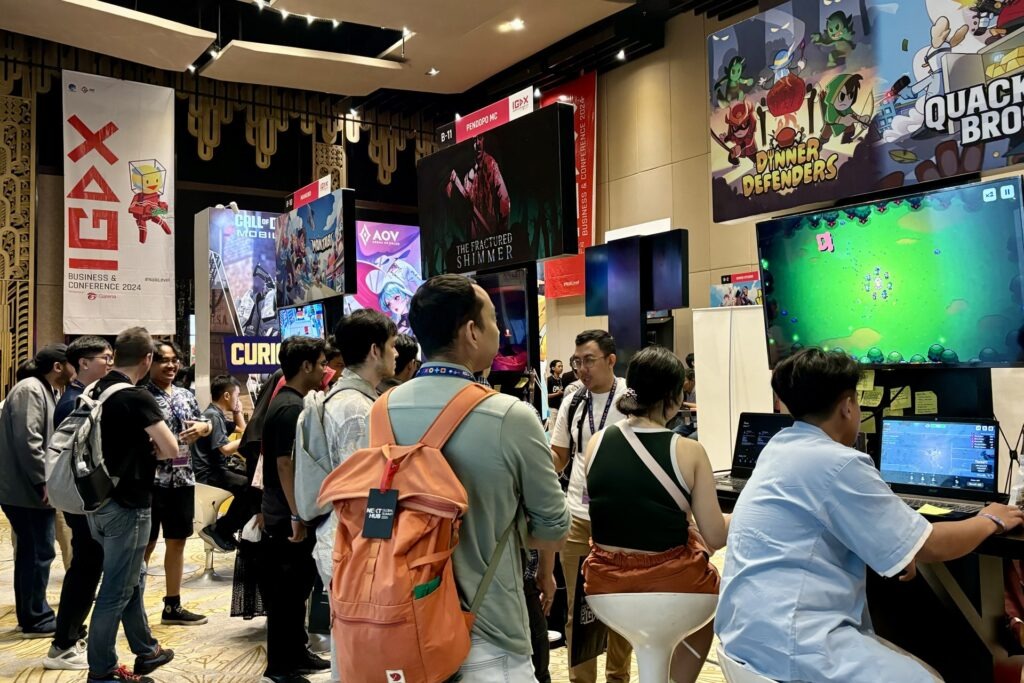
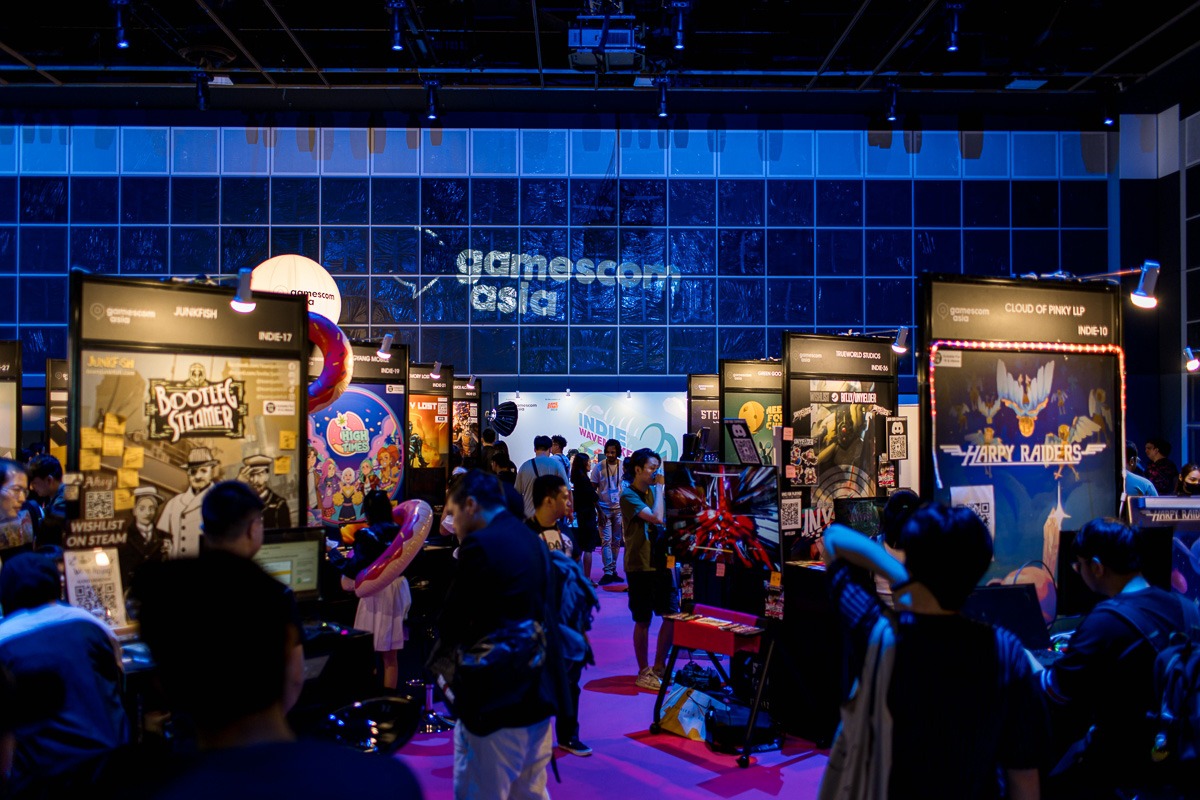
Nintendo held its first Business Conference in Indonesia on August 11, 2026, in Jakarta, confirming a new distribution partnership with PT Nusantara Interaksi Niaga under the Salim Group and a commercial launch date: Nintendo Switch and Switch 2 go on official sale nationwide this December. Calling the move “an important turning point,” Irene Umar, Indonesia’s Deputy Minister of Creative Economy, framed it as a meaningful step forward for the national game industry, rather than simply another launch-day announcement.
For publishers whose titles have been available on Switch since 2017, that framing lands differently than it does for players. Indonesia was never missing from their install base. It was missing an official door in: no authorized retailer, no publisher relationship on the ground, just the same import channels Indonesian players already used to find their games in the first place.
This is not just another regional console launch. It signals a broader game development trend toward official market entry in places long served informally, and for publishers already on Switch, the more useful question is not whether Nintendo showed up: it is what that access actually changes for a market they already reach.
A Market Waiting for an Invitation: Console Gaming Market Indonesia by the Numbers

Roughly 175 million Indonesians play games, representing over 80 percent of the country’s internet users and making Indonesia one of the largest gaming populations; far too significant for any platform holder to overlook.
Within that population, console usage stays small: PlayStation reaches 13 percent of Indonesian gamers, Nintendo Switch just 2 percent, Xbox and Wii 1 percent each, while PC (27 percent) and gaming laptops (17 percent) draw more of that same audience.
With the large population of gamers in Indonesia, console usage does not stay small because interest is missing. It stays small because until now there has been a lack of authorized ways to turn that interest into purchase.
Growth forecasts for this segment have always assumed some expansion, but without direct local presence that provides authorized retailers, local warranty, and an official support network, the friction around buying, servicing, and trusting the product means that expansion will continue to constrain the market below its true potential. Therefore, Indonesian players had little choice but to work around the system, turning to PC, mobile, or grey market console imports.
What Better Access Actually Builds for Nintendo Switch Indonesia
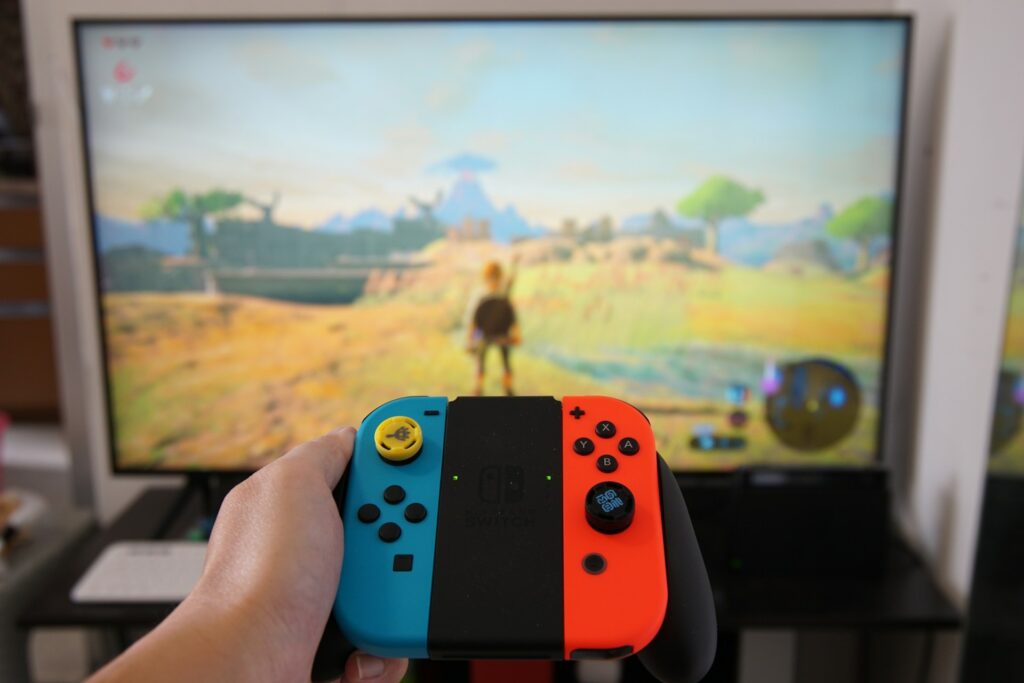
Hardware availability is only half the battle. What truly converts a regional scene into a lasting market is the ecosystem that supports it.
Axton Salim, Executive Director of Salim Group, stated that PT Nusantara Interactive Niaga intends to build a comprehensive ecosystem alongside Nintendo, covering demo areas, official merchandise, an expanded retail partner network, and integrated after-sales service including customer support and an official repair center.
Sony built its market-leading position over nearly two decades of gradual expansion, laying down official pricing, retail, and warranty support back in 2009. Nintendo, however, is skipping the slow build, dropping a fully formed ecosystem into the market overnight to fast-track its growth. While Nintendo may outpace PlayStation’s early growth rate, closing the total market share gap is a different challenge entirely. Access opens the door, but long-term adoption hinges on cultural resonance; whether Nintendo’s software catalogue and regional marketing can truly connect with the local audience.
By launching a fully backed ecosystem on day one, Nintendo effectively skips the sixteen-year curve PlayStation endured. Nintendo’s deal accelerates this cycle, allowing Nintendo to establish the infrastructure needed to support adoption by skipping the traditional incremental build.
That is the infrastructure Indonesian buyers actually weigh before making a console purchase: a place to try the product, a trusted service center, and someone to turn to if it breaks. For Nintendo Switch Indonesia, that whole package arrives on day one instead of being added gradually the way PlayStation’s took to establish the ecosystem across sixteen years. By removing uncertainty around the purchase and ownership experience, the infrastructure directly targets the biggest barrier to conversion, which is hesitation itself. Buyers who might otherwise default to PC or mobile now have fewer practical reasons to wait.
For existing Nintendo players, the entrance of Nintendo to Indonesia signals that this company recognizes and takes the Indonesian player base seriously. It gives them greater confidence that they can access official support and services locally, strengthening both trust and loyalty. At the same time, this lowers the barriers for new players. Nintendo becomes more accessible, easier to discover, purchase, and experience, with less uncertainty in pricing, service, and after-sales support. If something goes wrong, players no longer have to navigate costly, complicated, and time-consuming overseas or even online solutions.
This means Indonesian buyers don’t just buy a console, they buy frictionless ownership: hands-on testing before purchase, accessible local service center, and direct customer support when they need it, which makes Nintendo feel closer, more reliable, and most importantly, more worth the investment.
Access Isn’t Adoption: What Console Gaming Southeast Asia Teaches Publishers
The pattern holds beyond Indonesia alone: across the region’s console markets, access has rarely been the hard part for a platform holder with Nintendo’s. Additionally, retail availability does not equal market penetration. The next challenge is relevance. Hardware presence in Jakarta means little if software fails to resonate with players. Without regional language support and culturally aligned marketing, consoles risk staying niche; a platform players know about but don’t feel is built for them.
Being early in this market takes more than a distribution deal. It takes a go-to-market strategy built for how Indonesian players actually discover, discuss, and rally around games, and real community engagement that reaches them where they already are, part of the same game development trend separating the publishers who show up from the ones who actually land. That is exactly where SpeeQual Games comes in, backed by 10+ years of gaming specialization across Southeast Asia: helping publishers plan their entry and connect with Indonesia’s gaming community directly, not just ship a title and hope it gets found.