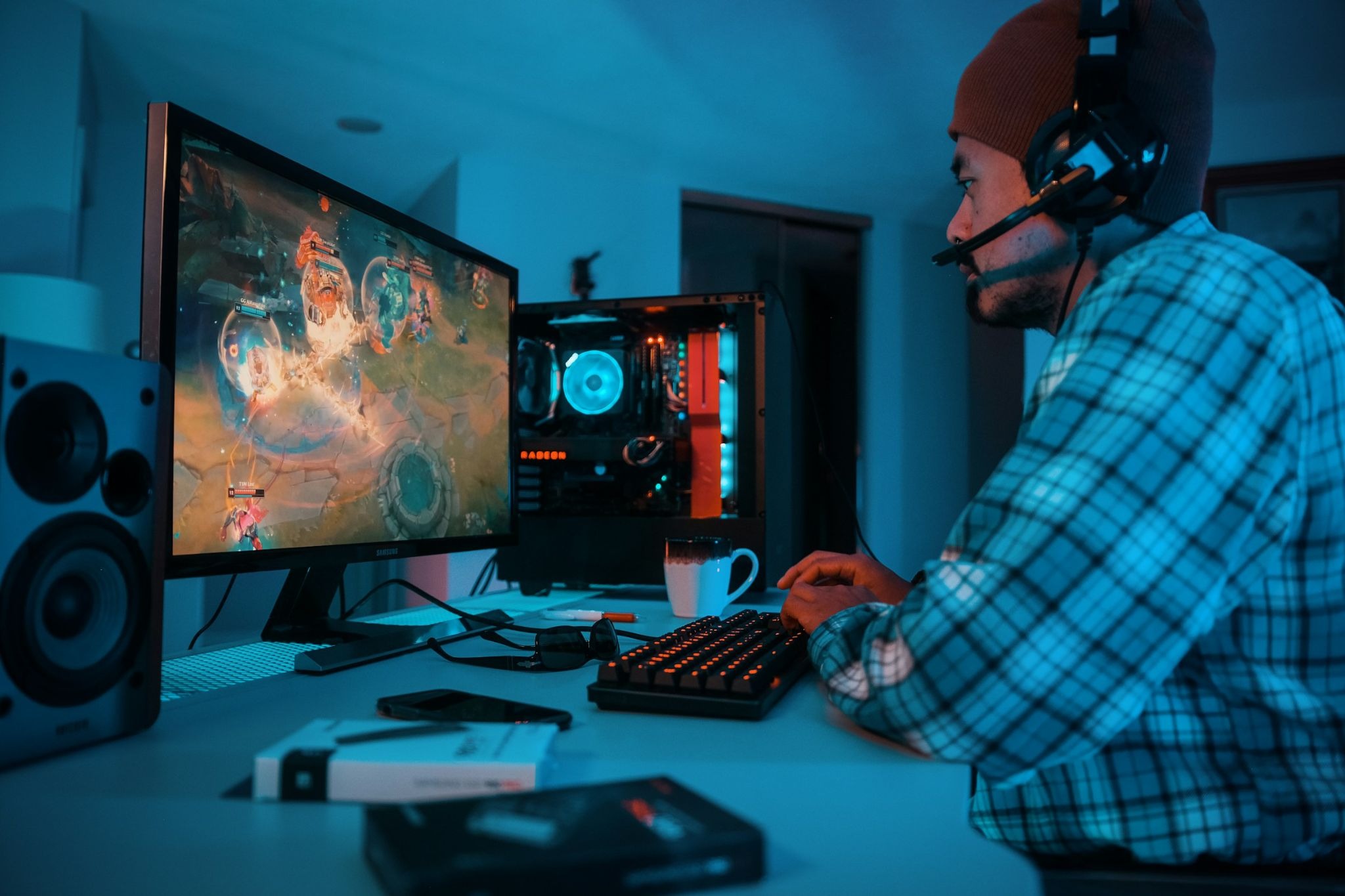
Gaming in Southeast Asia (SEA) isn’t just playing. It’s dominating the market. According to 2022 Rakuten Insight, youth gaming engagement in SEA has reached unprecedented levels, led by Vietnam (86%) and Thailand (82.8%) among ages 16 to 24 actively playing online games, marking the two highest engagement rates in the region. Meanwhile, the region’s domination is further cemented by Indonesia, which accounts for approximately 46% of SEA’s overall gaming population.
While online gaming spans mobile, PC, and console, mobile undeniably commands the largest player volume. However, data from Newzoo shows that PC and console gaming have been steadily growing, carving out a highly dedicated core segment.
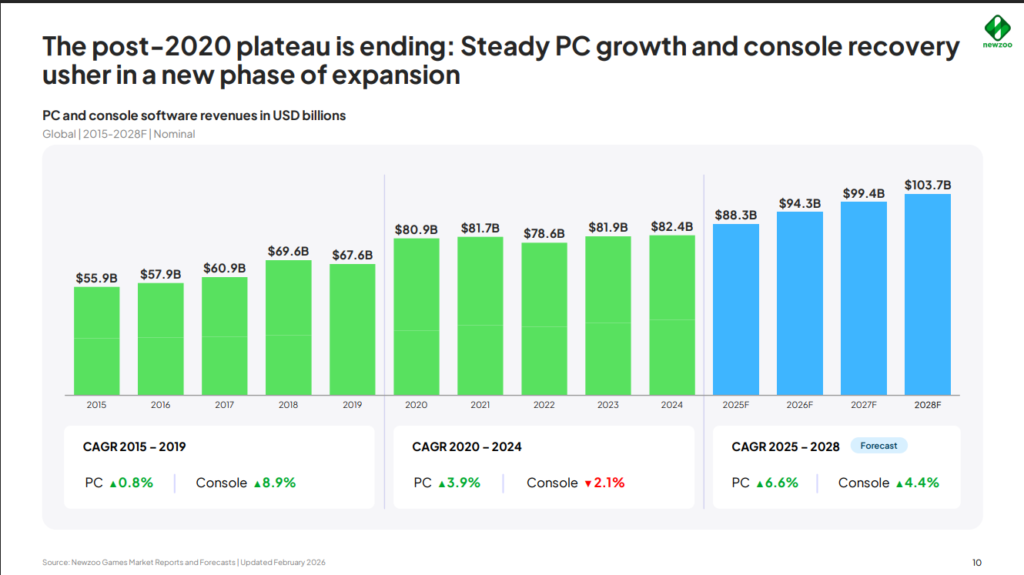
To capture this growing market, PC publishers need to navigate distinct local gaming setups and cultural nuances. These findings highlight why today’s game development trends encourage PC publishers to invest in market-specific localization rather than stretching one translation across multiple audiences.
Studios scoping a Vietnam, Indonesia, and Thailand launch together usually assume one localization strategy will cover all three. The real risk sits below that surface metric. A build that clears content review in Hanoi can stall in Jakarta over a single classification rule, and marketing copy that reads naturally to one player segment can miss the tone another segment expects entirely.
The player behaviour data below breaks each market down individually, then turns those differences into a launch sequence that a PC team can run market by market, rather than a single checklist applied everywhere at once.
Vietnam: Internet Cafè Skill Culture Meets a Regulated PC Market

For publishers eyeing the Vietnam market, it comes down to three connected things: get the language right, players stay engaged; get the content right, they stay longer; get the legal side right, the game actually ships.
Start with language. With 86% youth engagement, gamers here live and breathe competitive play. Inconsistent skill terminology or awkward tooltips break down fast when players are shouting live callouts during ranked matches; precision here is what keeps competitive players in the game.
That same precision has to stretch further than it used to. Vietnamese studios built their reputation on hyper-casual games, lightweight titles with minimal text, quick to localize. But the market is pivoting: Simulation, Puzzle, and Arcade now drive 66% of downloads for Vietnamese-made games, and studios are shifting toward hybrid-casual design, simple mechanics layered with deeper economy systems built to hold players for months. Longer sessions mean more to localize: narrative, in-game economy copy, community text, not just the UI.
But even a perfectly localized game doesn’t ship on content alone; it has to clear the regulator first. Vietnam requires foreign publishers to register a local entity or partner with a licensed Vietnamese publisher before distributing a game, and every title must clear content review across four age-based rating categories, 0+, 12+, 16+, and 18+. This isn’t a formality: regulators have flagged games licensed 18+ appearing mislabeled as 12+ or even 3+ on app stores, and mismatches like that now draw active scrutiny.
Indonesia: A Young Market Where Platform Choice and Culture Both Shape Localization
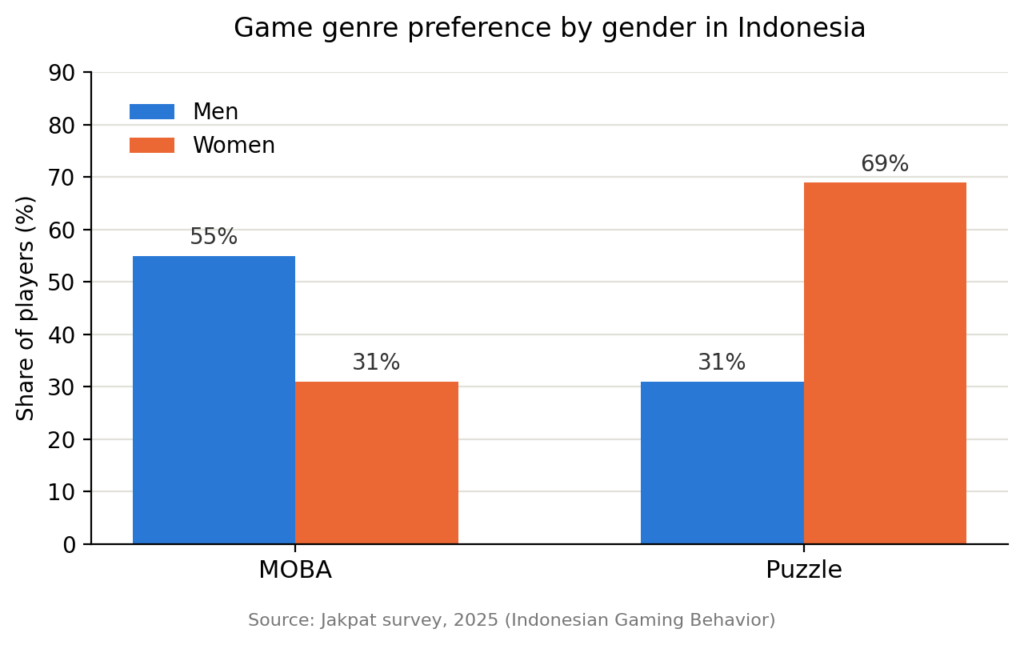
Indonesia anchors one of Southeast Asia’s biggest gaming markets, contributing meaningfully to the region’s video game industry annual revenue on a young, high-volume player base with sizable gaming industry demographics behind it. A 2025 Jakpat survey of Indonesian players found that 55% of men favor MOBA titles that reward higher commitment, while 69% of women lean toward puzzle games, a split that says as much about gamer psychology and behavior as it does about genre preference.
That gender split matters for marketing tone, and Indonesia’s cultural context matters just as much for content itself. Roughly 87% of Indonesia’s population is Muslim, the highest share of any Southeast Asian country, which puts religious sensitivity at the center of character design and marketing decisions rather than at the edge of them.
To succeed here, publishers must bridge the gap between linguistic accuracy and cultural compliance. Pairing a cultural review pass with Indonesia’s IGRS content classification process and SpeeQual Games’ broader rating and content classification support keeps a PC title from clearing translation review while still missing a representation issue a local audience would catch immediately.
Thailand: Southeast Asia’s Most Engaged, Highest-Spending PC Audience
With an 82.8% youth engagement rate and half of all respondents playing daily, Thai gamers spend more time immersed in text and lore than most audiences in the region. This constant exposure fosters deep familiarity, instantly revealing awkward translations and inconsistent terms. When players live inside a game every day, machine passes with light edits won’t cut it; high-precision, professional localization is the absolute baseline for success.
High engagement in Thailand directly translates into extraordinary commercial value. Thai gamers have substantial purchasing power: 49% are paying users averaging $393 per player, with PC and console accounting for a staggering 42% of revenue—the highest in Southeast Asia.
Much of this spending is catalyzed by a powerful creator economy on Facebook Gaming, where gamers discover new titles through KOL livestreams and trusted recommendations. When revenue depends on stream-driven hype, the standard for localized copy moves from private screens to public broadcasts.
Since Thailand officially recognized esports as a professional sport in 2021, competitive PC titles have hit mainstream media. With casters increasingly reading patch notes and retail promos live on stream, game text must sound natural, elevating localization from a simple translation pass to high-impact voice and copy design.
Furthermore, regulatory readiness is becoming just as important as linguistic localization in Thailand. While the Ministry of Culture oversees content ratings and cultural appropriateness, the upcoming Game Industry Act introduces mandatory game registration and strict oversight on hidden gambling mechanics (such as loot boxes and randomized rewards). Compounded by strict 24-hour content takedown mandates under the Computer Crime Act, PC publishers must proactively align live-ops marketing, text, and monetization disclosures with local compliance before launch.
The Developer Playbook: Turning Game Development Trends Into a Three-Market Launch Sequence
Reading these three markets side by side is what turns scattered gaming industry facts into real game development trends analysis, a sequence a PC team can execute in order rather than a set of country notes filed away separately.
- Build compliance and localization together for Vietnam, since entity registration and age classification reviews will stall a build that treats them as a post-launch checklist item.
- Segment Indonesia’s marketing and character-focused copy by player type, MOBA-focused messaging for one audience and puzzle-focused messaging for another, rather than one campaign for the whole country.
- Route Thailand’s copy through native quality review before launch, since the market’s highest engagement rate in Southeast Asia means a translation shortcut gets noticed the fastest.
- Vietnam, Indonesia, and Thailand will keep shaping the future of gaming industry growth in Southeast Asia precisely because they keep behaving like three separate markets rather than one region wearing three flags, and how player culture shapes localization choices across Southeast Asia only reinforces that pattern release after release.
Most agencies still treat Vietnam, Indonesia, and Thailand as three separate translation jobs handled by three different vendors; SpeeQual Games doesn’t. With 10+ years of gaming specialization and 24+ years of localization expertise, SpeeQual Games builds compliance, cultural review, and player segment messaging into one Southeast Asia strategy instead of three separate fixes. Talk to our team about mapping that strategy to your next PC release across Vietnam, Indonesia, and Thailand.