If you build an RPG, a strategy game, or a puzzle title and you think “MLBB is a MOBA, so it doesn’t apply to my genre,” you may be overlooking the most transferable game localization Southeast Asia lesson available.
The numbers behind its dominance are hard to ignore. According to esports.gg’s analysis of Sensor Tower data, Mobile Legends: Bang Bang held a top five position by downloads in the region every year from 2017 through 2025, ranking first in mobile game revenue in six of those nine periods. Industry observers often dismiss that record as a byproduct of genre popularity or pandemic momentum alone.
That is only part of the story. MLBB’s sustained dominance rests on localization choices that transcend any single genre: engineering for low-spec local devices, introducing heroes drawn directly from regional folklore, collaborating with local creative talent, and cultivating community country by country. Each of these strategies applies directly across the games industry, starting with what MLBB actually accomplished beyond translating text.
Why Is Mobile Legends So Popular in Southeast Asia? Reading Past the MOBA Label
Localization is not a side preference in this region. Niko Partners found that 87 percent of Southeast Asian gamers want localized content, while in Thailand and Vietnam, over 91 percent see it as a key factor when choosing a new game.
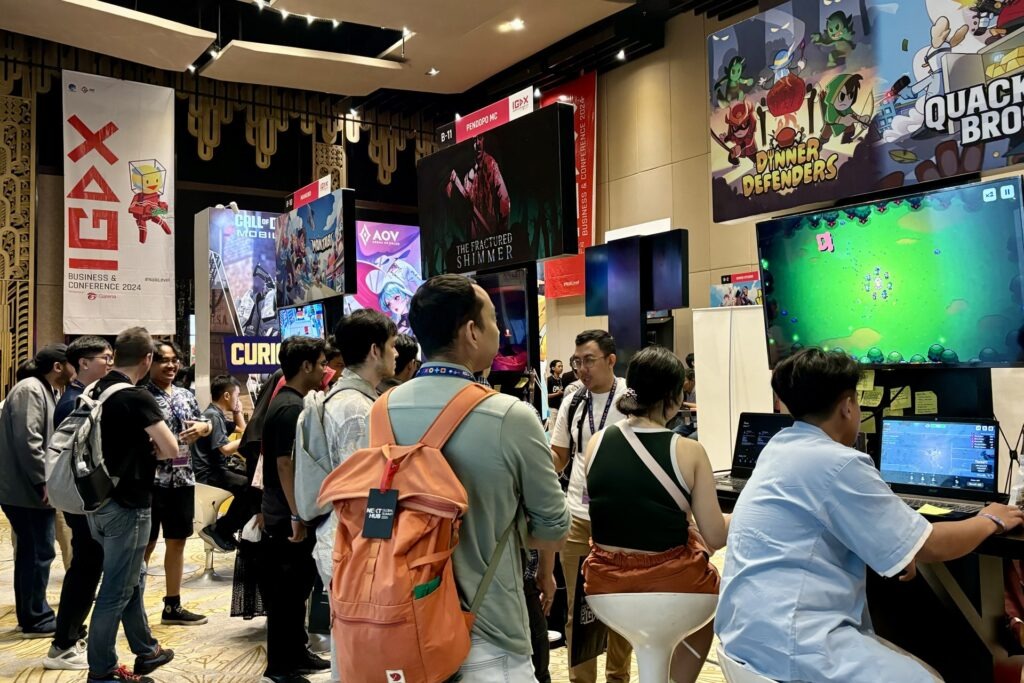
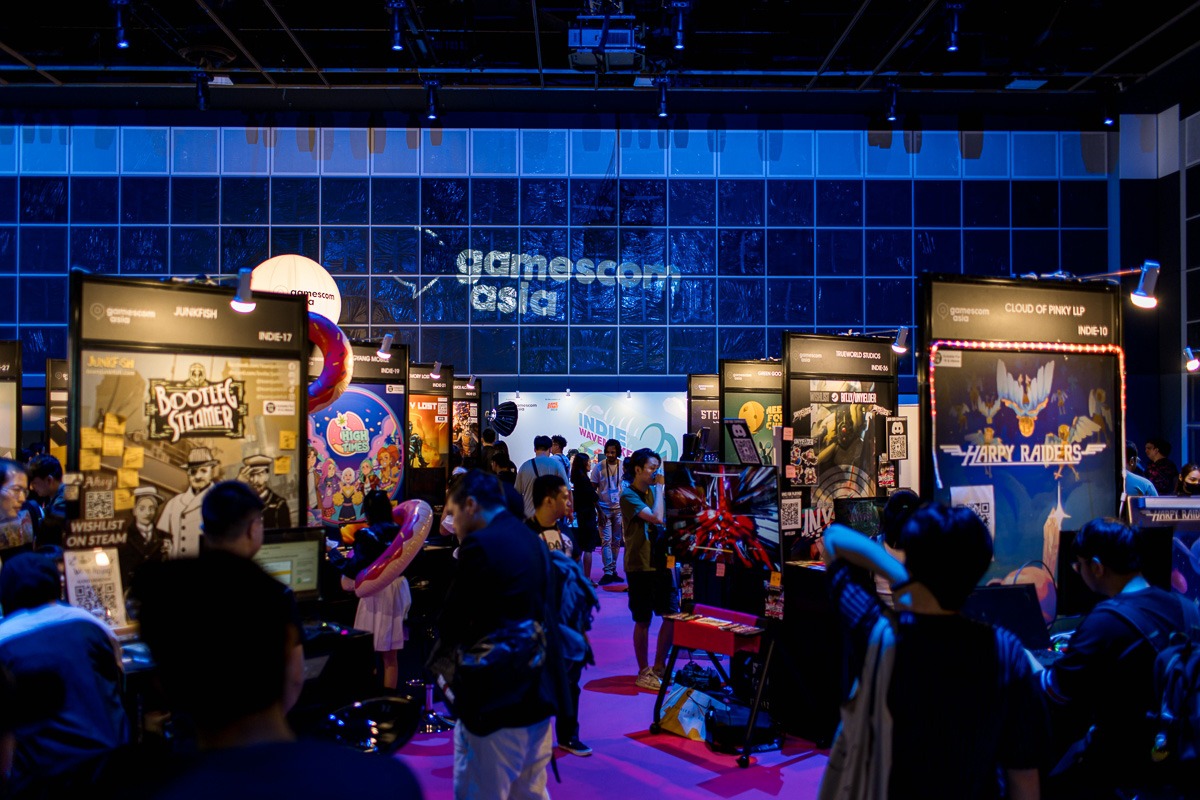
That consumer demand meets massive operational scale. Across the Southeast Asia mobile gaming market, players recorded roughly 1.93 billion mobile game installs in the first quarter of 2025 alone. According to an analysis from esports.gg, mobile games generate approximately 70 percent of regional gaming revenue and account for more than half of all play time. With mobile capturing that much attention, every screen offers a choice: feel locally tailored or feel imported.
The MLBB Localization Strategy: What Happened Beyond the Translated Menu
Moonton’s strategy reached well past translated UI menus. The roster grew beyond 130 heroes, many drawn from regional history and folklore, such as Lapu-Lapu (the 16th-century Filipino chieftain), Badang (the legendary Malay strongman), and Gatotkaca (rooted in the Javanese interpretation of the Mahabhrata). As a game localization Southeast Asia case study, the roster shows localization operating at the level where identity lives: the character.
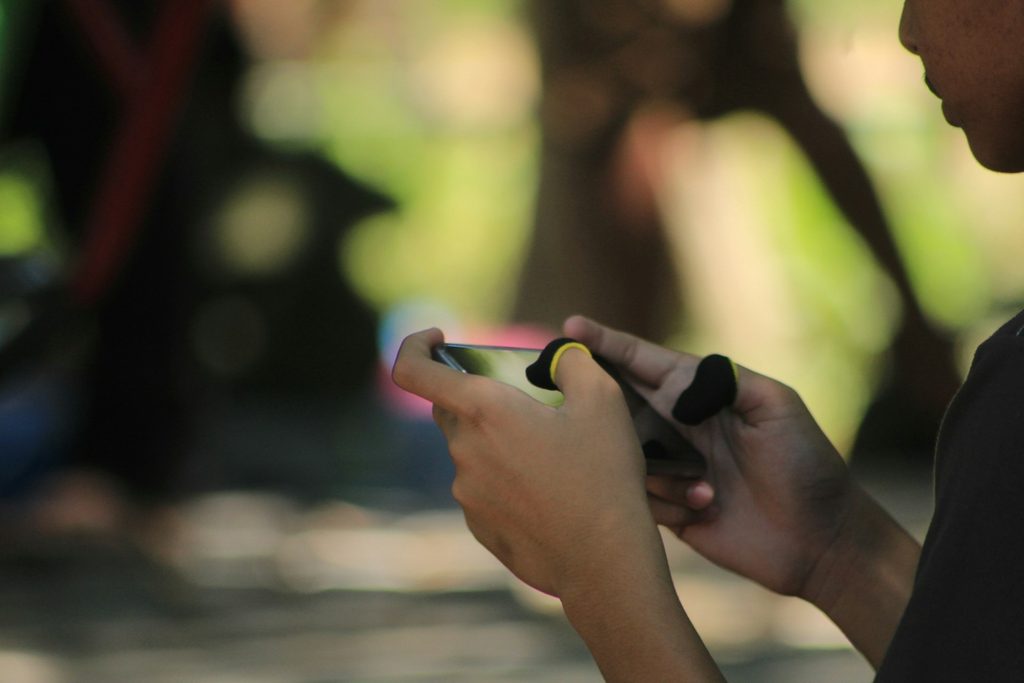
The gameplay design was fitted to local hardware and daily habits. MLBB was optimized for accessible smartphones and built around fast, 10-to-30-minute matches, allowing a complete session to fit easily into a daily commute or a short work break.
Rather than just exporting content to Southeast Asia, Moonton treated the region’s creative ecosystem as a two-way partnership. For instance, the character design for Gatotkaca was officially licensed in 2017 from Garudayana, a comic series by an Indonesian artist, with the MLBB IP later expanding into local animated series and original comics.
Sensor Tower describes this pattern as a hyper-local engagement strategy: pairing culturally relevant lore with ground-level community building, such as tailored Ramadan campaigns in Indonesia and physical pop-up booths in the Philippines.
Design that fits play patterns, content from local culture, collaboration with local creators, and community expansion. None of the four pillars are unique to MOBAs. Every genre can apply them.
What Game Developers Can Learn From Mobile Legends: Four Principles That Aren’t MOBA-Specific
Principle 1: Localize the Loop, Not Just the Text
Fit the structure of play to local habits: session length, hardware tiers, and the daily play windows. Localization that stops at translated text leaves all of this untouched. MLBB‘s 10-to-30-minute matches on smartphones players already owned were a deliberate design choice that functioned as core localization. The critical question for any publisher is simple: what part of your game loop assumes hardware or time commitments your Southeast Asian players cannot provide?
Principle 2: Build Cultural Relevance in Games From Local Sources and Creators
Cultural relevance in games starts with core content built alongside regional creators, rather than tacked on as an afterthought. Honor of Kings demonstrated this in the Philippines by introducing the hero Lapulapu, and pairing his release with an official music collaboration with P-pop group SB19 for KIC 2025 grand finals. As covered by The Game PH, integrating local heritage directly into character design and regional esports builds deep community trust because players see their own culture represented on a global stage.
Principle 3: Let Players Set the Depth Bar
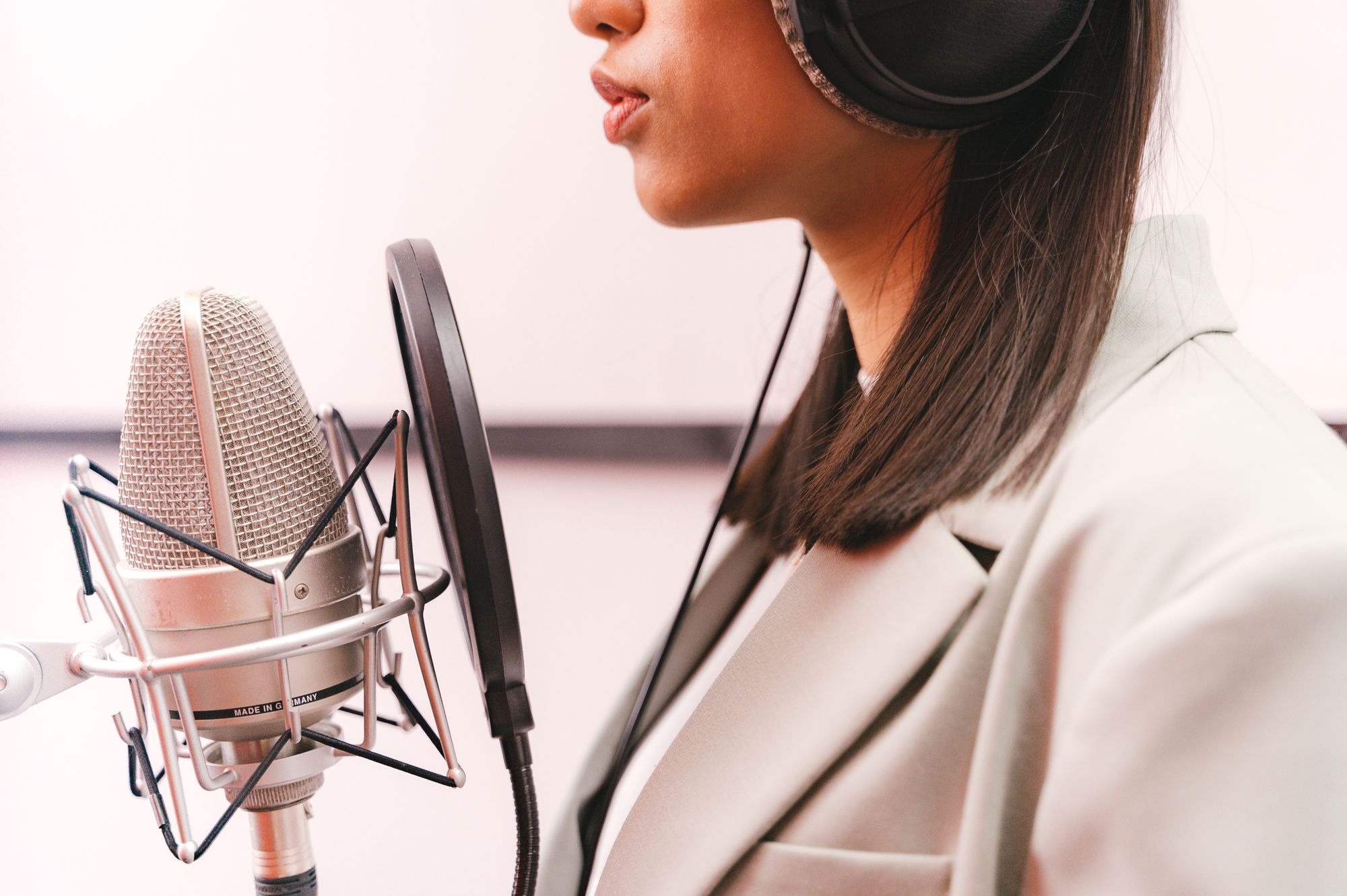
Player expectations in Southeast Asia already reach regional languages, not only national ones. While Lapulapu was in development, Filipino players repeatedly requested Bisaya voice lines; although the publisher could not deliver them at launch, community feedback drove the addition of both Tagalog and Bisaya voice-over by December 2025. In India, the publisher took co-creation a step further by inviting players to submit Hindi voice-line ideas and integrating the selected entries into the game. The baseline for localization continues to rise: moving from translated menu text to national languages, then regional dialects, and ultimately player-contributed dialogue. Voice-over production and linguistic QA must evolve to keep pace with that escalating standard.
Principle 4: A Hyper-Local Engagement Strategy Needs a Community Layer
Localization does not end at launch; it extends continuously into live events and community programs. Beyond hero releases, Honor of Kings‘ plan for India expanded its regional footprint in India through on-campus tournaments and creator incentive programs, demonstrating an approach that reaches far deeper than a single hero or cosmetic integration. Grassroots community activations are where a localized asset evolves into a shared cultural touchstone.
Because these principles are free of genre, the practical question for developers is clear: what do these strategies look like when applied to an RPG, a battle royale, or a casual game?
How to Localize an RPG for Southeast Asia, and Other Genres Too
The notes below are suggestions built from the principles above, not claims that specific games already apply them. Any game localization Southeast Asia plan for these genres can begin here.
RPG and Gacha: Roster, Voice, and Calendar
The character roster serves as the direct counterpart of MLBB‘s heroes, featuring characters, questlines, and lore rooted in regional folklore, paired with voice-over delivered in a character-appropriate register. Seasonal calendar events reinforce that narrative foundation. For example, Honkai Impact 3 introduced a Songkran-specific ability in Thailand during the festival window, which lifted daily active users by 10 percent over the event period and doubled spending on the first day.
Battle Royale and Shooter: Identity Over Session Length
Short sessions are already a strength here, so the localization space moves to identity: characters, skins, and collaborations with local musicians or creators, plus events that follow each country’s cultural calendar, like the Ramadan campaigns in Indonesia.
Strategy and 4X: Alliances and Chat as the Main Surface
Social elements such as alliances and chat become the primary localization point. Terminology, tone of communication, and seasonal events need adjusting country by country, because these games depend on communities that actively talk to each other in their native language.
Casual and Hybrid-Casual: Theme, Copy, and Offers
Short sessions already match Southeast Asian play patterns, so the focus shifts to theme, copy, and how offers are presented, for example events that follow cultural moments, so the game does not read as a global template.
Copying only the surface, one local character or one event, is not how these principles work.
What Doesn’t Transfer: The Pitfalls of Copying the Surface
A single local hero or cosmetic does not constitute full localization. As player expectations of depth keep rising, a character who only looks local risks feeling half-finished once players expect him to sound local too. That gap is worth catching with native reviewers before release, not after the community reacts.
Scale requires a similar level of pragmatism. MLBB’s multi-channel community network was built across nearly a decade. Studios entering the market do not need to replicate an entire ecosystem at once; instead, a targeted game localization Southeast Asia budget works best when publishers deliberately select the specific layers, whether regional voice-over, event integration, or creator partnership, that match their immediate scope and revenue goals.
Read the Southeast Asia Mobile Gaming Market Numbers as Direction, Not Precision
Even MLBB‘s own player count depends on who is counting. Moonton reports more than 110 million monthly active users, while third-party tracking estimated about 40.9 million across Android and iOS in May 2026. Methods differ, so treat such figures as evidence of direction, not as a precise benchmark.
Conclusion: Learning From MLBB Localization Without Copying It
Although MLBB is a MOBA, the localization decisions behind its dominance transcend the genre: player-first design, regional folklore, collaboration with local creators, and community building.
Any studio can apply these principles to its own pipeline, provided localization is treated as a core design and community strategy rather than a late-stage language patch. That is the benchmark every game localization Southeast Asia project should set for itself.
SpeeQual Games helps publishers across all genres adapt these lessons into actionable results. From upfront cultural research and register-aware dialect adaptation to rigorous in-market LQA with native testers, we ensure your title feels genuinely built for local players, not merely translated for them.