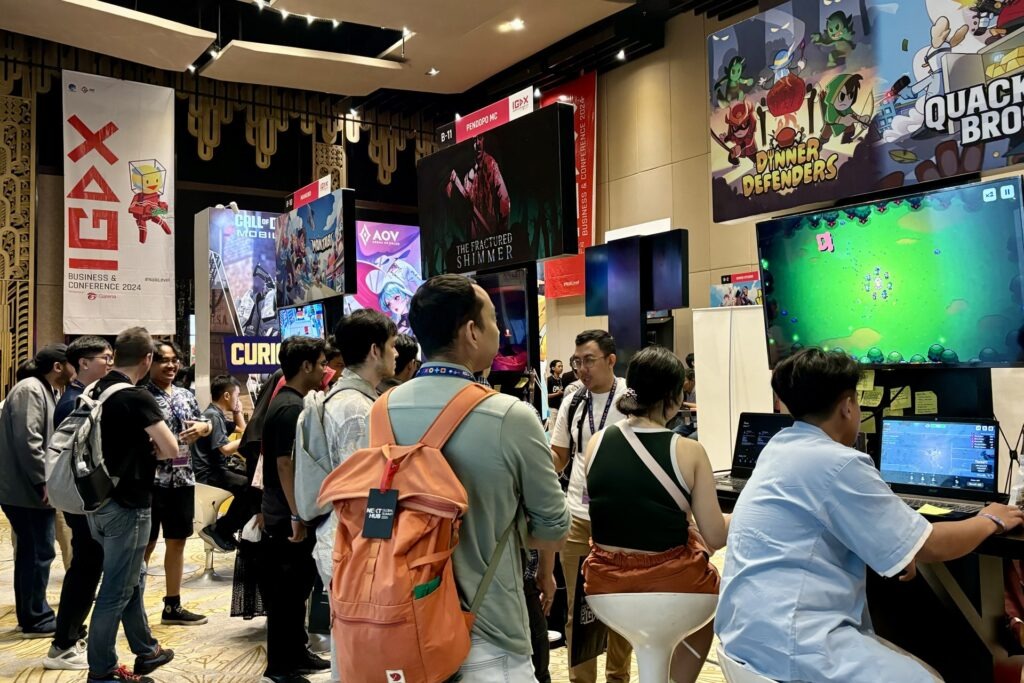
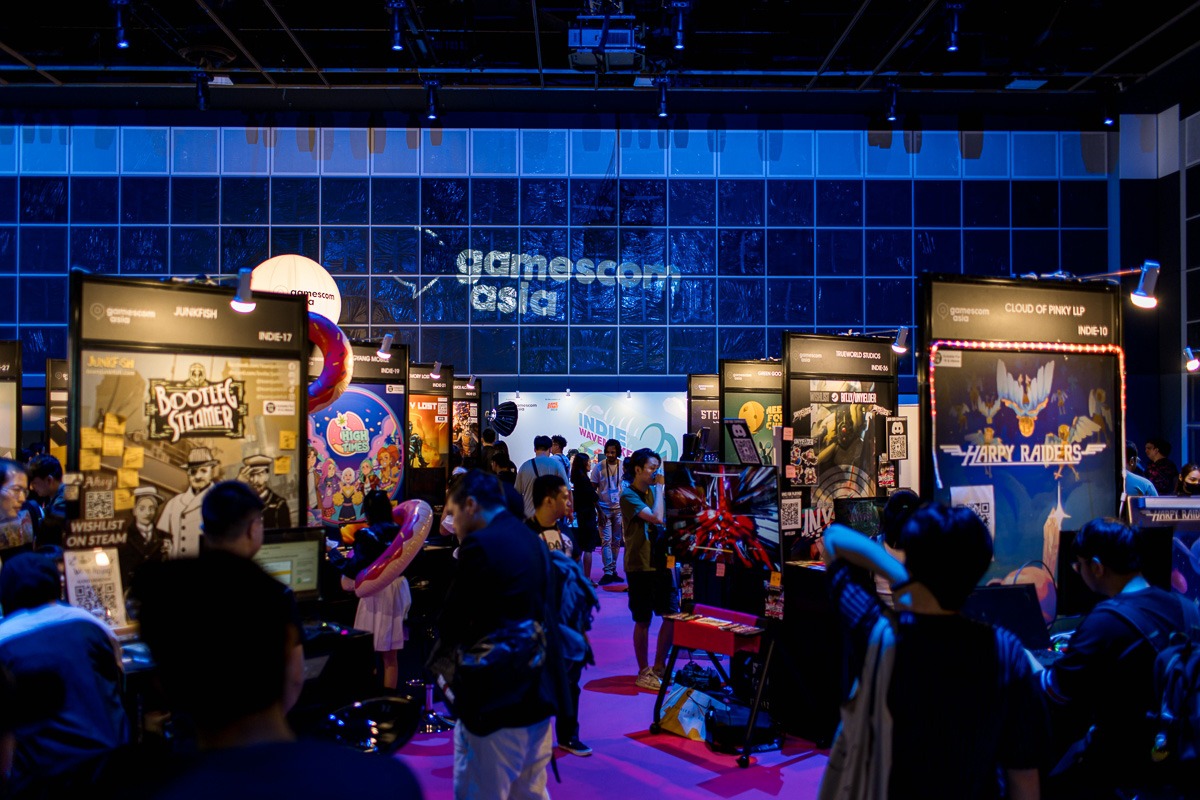
Thailand has one of the most profitable mobile gaming businesses in Southeast Asia, making it one of the most desirable countries in today’s game development trending landscape. The advent of Gamescom Asia x Thailand Game Show, the region’s largest gaming business event, has heightened global interest in Thailand’s reputation as a regional gaming powerhouse.
However, accessing the Thai market is not as simple as many international developers assume. Success takes more than adapting game content or adhering to a localized launch strategy. Thailand’s unique player behaviors, cultural expectations, and industry practices require a specialized approach.
Our article explores the biggest pitfalls to avoid and provides practical tips for creating games that appeal to Thai players. If you’re an international developer looking to enter Thailand, read the full article to learn how to navigate the market with more assurance and long-term success.
Mistake 1: Treating Content Translation as Cultural Adaptation
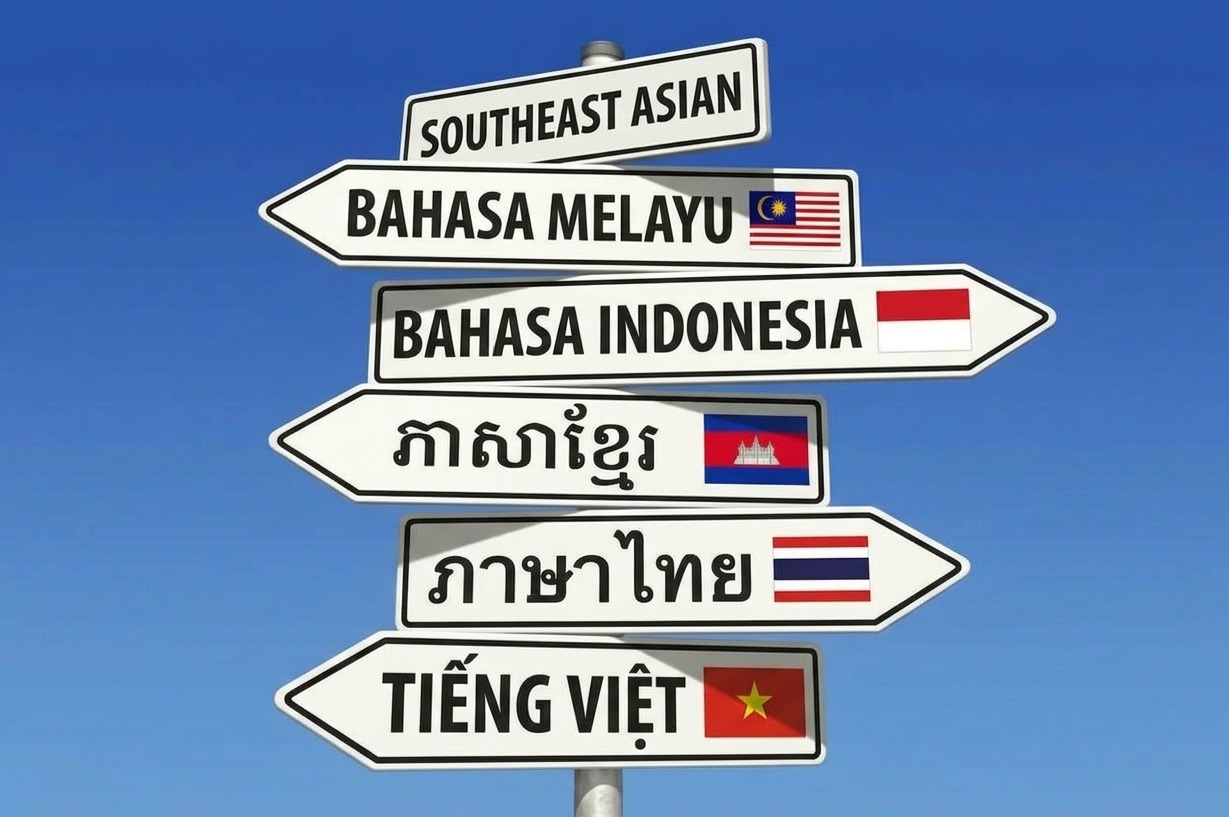
As Thailand becomes an important focus point in game development trends, more multinational companies are preparing for Thai-language releases. However, many still believe that a direct English-to-Thai translation is enough to gain player trust. In reality, a good localization requires a grasp of how local players communicate, what cultural references resonate, and how to represent your game’s personality in Thai.
Smart Strategy for Indie Game Localization
When competing with large publishers, indie developers sometimes fear they cannot match their resources. However, smaller teams have one significant benefit, which is flexibility.
In Thailand’s growing mobile game market, indie studios can enhance user engagement by employing targeted localization strategies rather than costly, large-scale campaigns. A small business that pays careful attention to its audience has the potential to deliver a more personalized experience than a major publisher with a global distribution strategy.
Thai players have their own cultural expectations, communication styles, and gaming habits that influence how they experience games. A direct translation may convey the essential understanding, but it may not capture the emotion behind the original message.
For indie developers, cultural adaptation does not imply redesigning the whole game. It can start with minor but significant modifications, such as adjusting the dialogue tone, refining character expressions, modifying marketing messages, and ensuring that tutorials feel natural to local players.
A localization partner, like SpeeQual Games, may assist indie developers by providing cultural adaptation, linguistic review, and localization quality assurance (LQA) throughout the production process. Instead of simply translating completed material, SpeeQual Games assists developers in delivering experiences that are more relevant to Thai and Southeast Asian players.
Mistake 2: Missing the Mark on Local Cultural Aesthetics and Representation

Another common misconception among international developers is that global success stems from making a game appear universal. Many developers erase cultural aspects in order to appeal to a broader audience, yet the result is frequently a game that seems familiar but forgettable.
Creating authentic Thai game characters involves more than just traditional clothes and iconic sites in the background. Developers must comprehend the tales, values, and meanings behind cultural factors. Thai attire, architecture, festivals, mythology, and everyday traditions could all function as creative foundations for unique characters and memorable settings.
Thai mythology is one of the most powerful sources of inspiration. Local beliefs and folklore offer concepts that are rarely found in mainstream worldwide games. The Thai-developed horror title Home Sweet Home, for example, centered its experience on Thai myths and beliefs, including local spirits and cultural allusions into its tale rather than merely adding them for decoration.
The success of culturally influenced games demonstrates how local identity can be a creative advantage. Instead of having every market look identical, developers may increase global appeal by embracing what makes each region distinct.
Many local studios incorporate globally popular mechanics into native narrative approaches. They may take classic genres such as horror, adventure games or RPG (role-playing games), while adding Thai settings, cultural references, and community-driven ideas to make the experience feel unique.
This player-focused strategy might be useful for international developers. Translating text or modifying a few graphic elements isn’t enough for a successful market launch. It’s important to understand how certain characters, storylines, and designs resonate with local players.
Mistake 3: Fumbling the Evolving Regulatory Environment

As game development trends increase in Southeast Asia, more international studios compete for Thai players. Yet some developers still assume that mobile game regulations in the region are flexible, especially compared with markets such as Europe, North America, or Japan.
A game may be technically ready for release, but it will still encounter obstacles due to imprecise revenue mechanisms, a lack of age-related considerations, or poor data privacy planning. Fixing these difficulties once development is completed may need significant modifications to user interfaces, payment flows, or backend systems. The smarter approach is to incorporate compliance into the production process from day one.
Navigating Thailand Game Rating System
Before entering Thailand, developers should build a local compliance checklist that they can verify on a regular basis with regional experts and industry associations. The Thai Game Software Industry Association (TGA) serves as a platform for connecting professionals in Thailand’s gaming industry and promoting industry growth, making it an essential source of local market awareness.
Age limits are equally significant. Mobile games frequently reach a large audience, including young players. Developers should think about how their game conveys age appropriateness and if payment mechanisms provide enough protections.
Loot boxes and in-game purchases are two of the most important areas that must be carefully reviewed. Even loot-box do not constitute gambling, developers should look into whether players understand the purchasing mechanics, if random prizes are accurately revealed, and whether spending elements are designed responsibly.
Privacy is another issue that cannot be overlooked. From account setup to analytics tracking, games acquire significant player data. Thailand’s PDPA focuses on how personal information is collected, processed, and protected, implying that developers should consider privacy throughout the design process instead of implementing policies after the release stage.
Conclusion: Winning Thailand’s Market Starts with Local Understanding
Thailand’s gaming business is becoming one of Southeast Asia’s most competitive and profitable sectors. As game development trends continue to attract global attention, developers that recognize the interconnectedness of localization, cultural authenticity, and compliance will prosper.
Games that represent local player expectations, promote Thai cultural identity, and adapt to evolving regulations are better positioned to build player trust and achieve long-term success. Instead of approaching Thailand as just another regional launch market, studios should view it as a distinct gaming ecosystem that values careful planning, teamwork, and long-term commitment. Staying updated through industry associations like the TGA may also assist teams in remaining on track with local industry trends and best practices.