Mobile Legends: Bang Bang (MLBB) and Genshin Impact are not just popular games but also global cultural phenomena in 2026. Behind their success is a complex localization workflow that extends far beyond translation. The procedure is extensive, including linguistic review, UI testing, and cultural verification across multiple markets.
Furthermore, a structured localization quality assurance (LQA) process ensures that players completely grasp the game, including tutorials and UI features. Without a proper LQA, ambiguity and mistrust can lead to decreased spending and engagement. MLBB and Genshin Impact succeed by breaking down these challenges by implementing high-quality LQA.
Want to learn how successful game localization keeps players engaged all across the world? Read the full article for valuable insights.
Mobile Legends & The Precision of MOBA Localization
Competitive games are based on precision and accuracy. Short tactical instructions, item effects, and hero descriptions let players make quick judgments during battle. In games like Mobile Legends: Bang Bang (MLBB), terms like “cooldown,” “jungling,” “crowd control,” and “split push” are more than simply gaming terminology. They are strategic instructions that allow players to communicate more swiftly during intense matches.
This is why game localization success has become one of the most critical aspects of modern game development. Translation alone is not sufficient. Developers must ensure that every instruction, skill description, and menu feel natural and accurate in every language.
Modern game localization entails terminology management, cultural adaptation, UI testing, and LQA. In Mobile Legends, LQA is critical since players rely on accurate details to develop tactics. If an item description has inaccurate numbers or deceptive phrasing, players may purchase the incorrect equipment during a match. A single inaccuracy in translation may have an impact on teamwork, hero synergy, and battle performance.
LQA also protects the game’s emotional elements. Localization teams must ensure that hero dialogue, jokes, and terminology seem natural to local players. Community slang terms like “GG,” “AFK,” and “buff” are already inextricably linked to online gaming culture. Therefore, replacing them with formal translations would make the game seem awkward and artificial.
Genshin Impact: Protecting Narrative Integrity in RPGs
One of the key reasons players stick with Genshin Impact for so long is its emotive tale. However, behind every emotional cutscene and memorable character interaction comes a significant challenge: maintaining narrative coherence across many languages while preserving the original story experience.
This task becomes vast since Genshin Impact features a large quantity of fantasy lore, region-specific terminology, emotional dialogue, and voice-over sections. Each update includes new characters, historical references, and world-building aspects that must be consistent across all supported languages.
Localization serves as the ultimate narrative safeguard. Narrative LQA specialists examine the game directly in playable builds to assess emotional flow, character voice consistency, subtitle pace, and dialogue delivery. This approach helps to ensure that characters retain their emotional authenticity following translation.
Character consistency is very crucial in Genshin Impact, since players frequently develop emotional attachments to certain characters. A little phrasing error might accidentally alter a character’s personality. Community discussions have shown that several localization issues led players to consider some characters more rude or aggressive than intended.
Furthermore, LQA also maintains technical synchronization among subtitles, voice acting, and animation. Subtitle timing in cutscenes must be properly coordinated with spoken language and oral gestures. Without appropriate LQA, players may encounter awkward pauses, misaligned subtitles, or unstable emotional pacing.
Beyond Typos: The Technical Side of LQA

Many people think that localization just entails translating dialogue into another language. In reality, modern game localization is closely related to technical testing. Once a language changes, entire interfaces might fail; menus get congested, subtitles overflow outside dialogue boxes, and fonts become illegible.
This is why game localization success is dependent on high-quality LQA. Technical LQA ensures that all translated elements continue to function properly inside the game environment after localization is completed.
One of the most common concerns is clipped or overflowing text due to language expansion. Languages like German, Spanish, and Indonesian sometimes demand much more space than English. Without adaptive UI systems, translated text may overlay menus, buttons, and combat interfaces.
This problem cannot be properly detected with spreadsheets alone. As a result, testing within the playable game build has become a must for modern games. LQA testers have to verify how the localization works throughout gameplay, cutscenes, inventory management, and battle scenarios.
LQA teams must also ensure that dynamic gaming systems work correctly after localization. The game generates player identities, item details, battle damage, and local currencies in real-time. If formatting methods are not well tested, dynamic components might disrupt menus, overlap interfaces, and even create code instability.
The ROI of Quality: Trust, Retention, and Monetization

Language frequently shapes a player’s initial perception of a game. Before they start to play, they read app store descriptions, event posters, tutorials, and purchase offers. If the communication is unclear or badly translated, players will quickly doubt the game’s quality.
Game localization success is closely related to player trust and long-term loyalty. In mobile games featuring in-app purchases (IAP), communication quality has a direct impact on whether players feel comfortable spending real money.
LQA teams assess translations immediately within the game build to verify that event descriptions, premium offers, currencies, and UI communication are correct and logical for all players globally.
Poor LQA can easily generate bad reviews. Players that are frustrated by botched translations or confusing information commonly submit negative reviews on Google Play, Steam, or the App Store. These reviews have a direct impact on how storefront algorithms rank games.
Cultural Sensitivity: Avoiding Global PR Disasters
In today’s gaming industry, a single cultural error may propagate over social media in hours. A misinterpreted symbol, an offensive holiday event, or a poorly adapted term may easily elicit criticism from global players.
Modern LQA is intended to discover these risks before a game is released globally. LQA testers do more than verify spelling and punctuation; they examine how the game’s graphics, dialogue, symbols, and themes will be perceived in other cultures.
Researchers define game culturalization as the adaptation of game content to local customs, religions, social norms, and cultural expectations. Even popular games might suffer backlash or lose player trust in certain countries if they are not culturally appropriate.
Games like Genshin Impact are a great illustration of how culturalization works in practice. The game draws inspiration from several real-world cultures while remaining in a fantastical environment. Since each location has distinct cultural references, localization teams must strike a delicate balance between authenticity, creativity, and sensitivity.
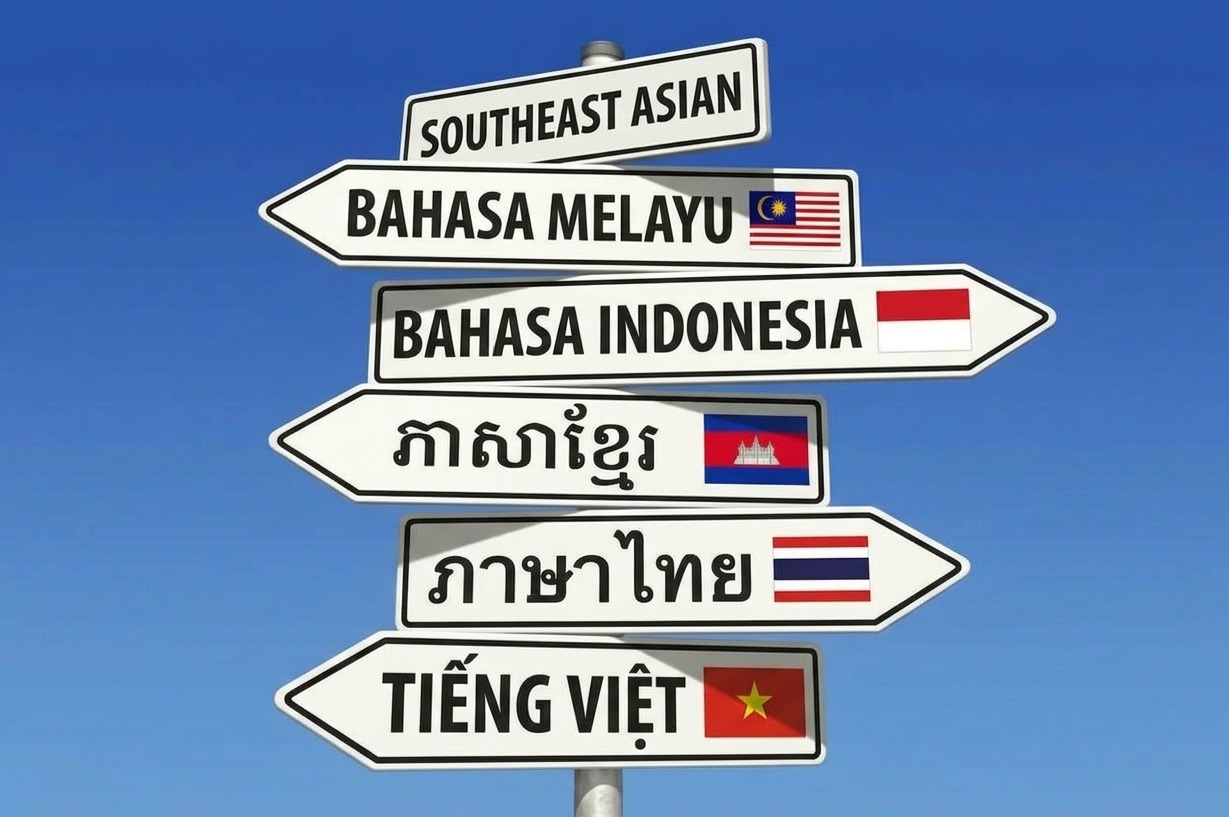
MLBB displays another aspect of localization strategy. Its global success is due in part to its ability to tailor communication styles and community engagement to regional player behavior. Southeast Asian gaming communities frequently embrace lively event advertisements and native community lingo, but other regions may prefer a different strategy.
As games continue expanding globally, many developers are turning to professional localization partners to help them manage these problems more effectively. SpeeQual Games specializes in professional game translation and LQA services for studios looking to build culturally adaptable gaming experiences.
SpeeQual Games reduces localization risks for developers by integrating multilingual translation, cultural sensitivity analysis, and in-game localization testing across global markets.
Conclusion: Setting the Gold Standard for Your Game
Game localization success is no longer received only through translation. Modern localization blends language correctness, technological stability, cultural sensitivity, and immersive player communication into one cohesive experience.
Strong LQA enables developers to identify UI issues, broken text, mistranslations, and cultural risks before they damage player trust. It also ensures that subtitles, item descriptions, currencies, and gaming instructions are clear and effective in all language versions.Games like Genshin Impact and Mobile Legends: Bang Bang demonstrate how flawless localization can enhance player engagement, improve ratings, boost in-app purchase trust, and foster better emotional ties with global audiences. Ultimately, successful localization is about making all players feel understood, valued, and fully immersed in the game environment.