The gaming sector is leading the way in digital innovation and cultural transformation as 2026 approaches. Once a niche pastime, gaming has evolved into a global cultural and economic powerhouse—driven by social connectivity, technological innovation, and immersive storytelling.
The rise of cloud gaming, AI-powered experiences, and cross-reality platforms (VR and AR) has redefined how people play, connect, and compete. The lines separating actual and virtual worlds are blurring, leading to the emergence of new entertainment forms that combine digital creativity and reality.
The future of gaming culture will be driven by vibrant communities, developers, and competitive ecosystems—where players forge identities, express creativity, and connect globally. While digital avatars symbolize uniqueness in virtual worlds, esports arenas compete with traditional sports venues.
From designer collaborations to music events held in virtual worlds, gaming is a way of life in 2026. The development of gaming is a reflection of our society’s move toward digital living, where gaming serves as a medium for self-expression, learning, and connection.
In this landscape of innovation and interactivity, several key trends are set to shape global game culture in 2026 and beyond.
In this article, we will look over the evolution of the gaming industry as it affects the society we live in, with technological advancements serving as vehicles that foster creativity and blur the boundaries of the virtual world, enabling humans to explore innovative opportunities in the future global gaming industry.
The Rise of AI-Driven Creativity
AI is transforming online gaming’s fundamental mechanics. Non-player characters (NPCs) now behave more realistically due to advanced learning algorithms, responding wisely to player decisions and adjusting to changing circumstances.
AI systems can balance gameplay in competitive games by dynamically modifying difficulty levels, ensuring that both beginners and experienced players remain engaged.
One of the most exciting developments is how players now use AI to create new content. Generative AI tools empower players to design new character skins, craft storylines, and even produce fan art inspired by their favorite games.
Communities are able to expand games beyond their original concept by using AI-powered modding tools, such as introducing completely distinct worlds or converting a single-player adventure into an online collaboration.
As a result, there is a flourishing culture of user-generated material that boosts engagement and broadens the creative scope of online games.
The connection between game developers and the gaming community is also changing as an effect of AI. Player contribution used to be restricted to fan projects or feedback. In recent years, co-creation—a cooperative process in which both parties influence the game’s future—is made possible by AI-driven tools.
AI-assisted modding APIs are being released by developers more frequently, allowing communities to alter gameplay in ways that are officially supported.
While developers incorporate favorite community inventions into official updates or sequels, players test, refine, and enhance mechanics. This collaborative ecosystem fosters transparency, creativity, and long-term player loyalty.
Cross-Reality Experiences: Blurring Lines Between Real and Virtual

Source: Unsplash.com
As the lines between the virtual and real worlds continue to blur, the future of online gaming is changing quickly. While virtual reality (VR) fully submerges gamers in simulated surroundings, augmented reality (AR) superimposes digital components over the actual world.
The next phase, mixed reality (MR), combines both elements, enabling players to engage with both virtual and real-world components at the same time.
Moreover, online gaming is expanding far beyond traditional gameplay. Hybrid experiences—such as virtual concerts, digital festivals, and esports tournaments—are rapidly emerging, driven by advancements in immersive technology.
Events like Fortnite’s in-game concerts and Roblox’s virtual performances have recently hinted at this potential.
Social gaming is changing in this new context, moving from chat-based interactions to fully immersive settings. Players now engage in real-time creative or competitive activities, share virtual environments, and express themselves through realistic avatars in addition to text and voice communication.
It is also anticipated that some gaming platforms will spearhead the cross-reality experience trend. For example, Meta Quest and Horizon Worlds are concentrating on creating the metaverse in order to use VR technologies and interactive worlds to grow the environment.
Additionally, both Sony PlayStation VR2 and Microsoft HoloLens are incorporating immersive technologies into current releases to link console experiences with extended reality.
Together, these platforms are laying the foundation for a new era of online entertainment—one that is interactive, connected, and deeply personal.
The Community Revolution: From Players to World-Builders
User-generated content (UGC) is the cornerstone of the gaming community revolution. Players are no longer just consumers—they are creators. Although there have been modding communities for many years, content creation is now more professional and accessible than ever with the help of modern tools.
Anyone with imagination can now design worlds, build gameplay systems, or even develop full-fledged games using platforms like Roblox Studio, Fortnite Creative Mode, and Media Molecule’s Dreams.
These user-friendly engines democratize development, allowing developers of all ages to explore with game design without requiring significant programming expertise.
Mini studios—small teams or individuals working inside larger gaming ecosystems to develop high-quality content—have emerged as a result of the success of community-driven content. Roblox, for example, allows one or more users or developers to develop processes mainly of designing, scripting, testing, and publishing games with millions of players.
These “micro-studios” have evolved into a crucial component of today’s gaming industry, fuelling innovation and inspiring even major developers to engage directly with their audiences for ideas and content partnerships.
The social and economic impact of this community-driven revolution is profound. Micro-economies, where creators make real money via in-game sales, virtual assets, and commercial partnerships, have emerged as a result of community platforms.
For example, Roblox developers can use Robux, the platform’s currency, to sell their works and turn them into cash. This new ecosystem is generating jobs in design, coding, marketing, and community management while allowing young creators to turn their passions into sustainable incomes.
It is also causing a cultural revolution, with digital entrepreneurship becoming as valuable as traditional creative sectors.
eSports and the Mainstreaming of Competitive Gaming
Source: Freepik.com
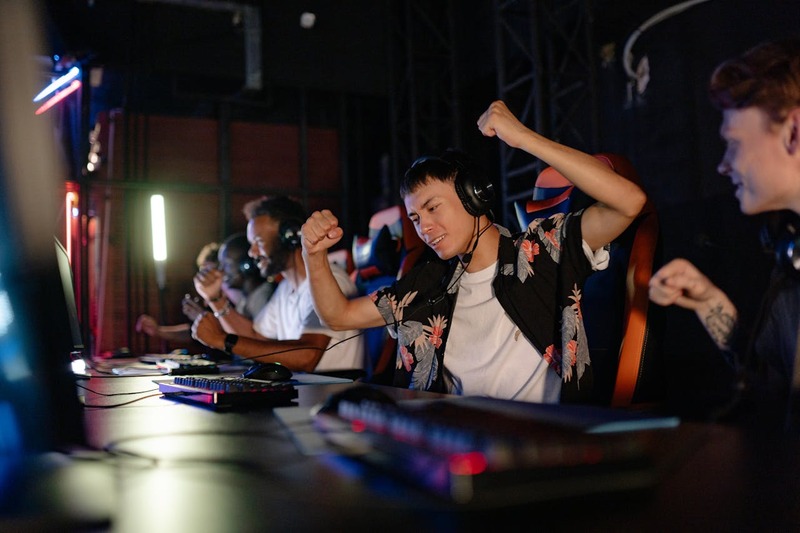
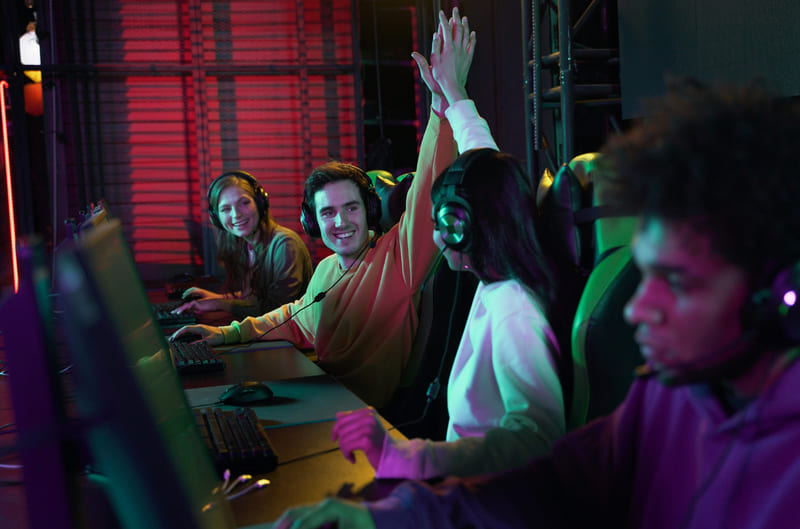
Over the past decade, esports has redefined what competitive gaming means. Through partnerships with fashion companies, sports leagues, and singers, eSports has become a part of popular culture.
For example, global teams and influencers increasingly collaborate with streetwear brands to introduce co-branded clothing lines or with record labels to conduct virtual concerts.
These collaborations show that gaming is more than entertainment—it’s a cultural movement that connects digital and real-world lifestyles. Increased publicity, sponsorship agreements, and celebrity endorsements have all resulted from this widespread acceptance.
Millions of people now have access to competitive gaming through streaming services like Twitch and YouTube Gaming, turning eSports tournaments into entertainment spectacles rivaling traditional sports events.
Esports education is also becoming more popular. Degrees in broadcasting, game strategy, and esports management are currently offered by universities all around the world. The upcoming generation of professional athletes, trainers, and content producers are trained at specialized academies. Professional gaming’s standing and long-term viability are being improved by its structure and discipline.
The public’s opinion of gaming has changed significantly as esports becomes a more mainstream phenomenon. Being a gamer is no longer associated with isolation; it now represents creativity, strategy, and achievement.
Game Narrative as a Mirror of Society
High scores, eye-catching graphics, and fast-paced action are no longer the only aspects of video games. Today’s game narratives act as powerful mirrors of society, tackling moral, political, and social issues relevant to players worldwide.
Games use immersive stories to explore real issues—from identity to climate—offering players a lens on society and self.
Developers encourage players to interact critically with societal issues instead of just observing them by incorporating these storylines into gameplay. By blending fun with emotion and learning, this approach sparks awareness and discussion on hard-to-tackle topics.
Games Reflecting Modern Concerns
Numerous modern video games serve as examples of how storytelling mirrors real-life concerns. Games like Fate of the World and Eco model environmental management to show the impact of ecological choices.
Games like Celeste and Disco Elysium explore identity, culture, and diversity, offering players new perspectives.
These examples show how games mirror modern life and culture, going beyond mere entertainment. Game narratives influence players’ viewpoints by tackling real-world problems and promoting critical thinking.
While completely immersed in the narrative, players can learn about ethical dilemmas, personal identity issues, and global challenges.
The Role of Game Localization in Shaping Global Game Culture
In today’s interconnected world, video games are no longer limited to specific markets. Modern titles are created with global audiences in mind, trying to reach gamers from all countries, languages, and cultures.
Due to this evolution, game localization is now essential to the success of international releases. Localization goes beyond mere translation in order to ensure that the gaming experience appeals to a variety of audiences, making games accessible, entertaining, and culturally relevant worldwide.
Localization allows players worldwide to connect through shared experiences. Multiplayer games, competitive esports, and global communities grow as language and cultural barriers are minimized.
Fan culture is also impacted by localization. For instance, culturally customized game versions frequently give rise to memes, fan art, and roleplay communities.
Localization is no longer optional—it’s essential to achieving global success. SpeeQual Games delivers comprehensive game localization services to make your storylines, dialogues, and in-game content resonate authentically with global players.
By partnering with us, you may smoothly expand into international markets, create engaged global communities, and establish your game as an essential part of today’s interconnected gaming culture.
The Economic Power of Game Culture
Gaming’s economic footprint now rivals—and frequently surpasses—the traditional entertainment sectors. Major titles make billions of dollars in income from in-game sales, merchandise, live events, and licensing agreements.
Game-inspired items, merchandise, and even themed food products are becoming common extensions of popular brands.
The expansion of gaming IPs into film and television further amplifies this impact. Films like Arcane and The Super Mario Bros show that game-based stories can attract mainstream audiences and huge box-office success.
The rise of digital collectibles and NFTs lets fans buy virtual goods tied to their favorite games and worlds.
Influencers, streamers, and virtual idols—now the public faces of gaming’s creative economy—have profoundly shaped game culture. Platforms such as Twitch, YouTube Gaming, and TikTok have elevated creators to fame and fortune, drawing sponsorships and brand collaborations once reserved for film stars and singers.
These creators shape public taste—introducing new games, driving sales, and establishing dedicated fan communities.
Fundamentally, game culture is a mixture of community, art, and technology. The gaming ecosystem has created roles for story designers, voice actors, artists, community managers, and streamers.
The cultural and economic impact of game-based experiences will increase as they develop further through AI, AR, and the metaverse.
Conclusion: What Lies Ahead
Game culture’s future marks a new digital era built on innovation, connection, and shared experiences beyond entertainment.
Gaming is becoming an international culture that spans generations, nations, and sectors as technology advances. Cross-reality, AI companions, and the metaverse let players create worlds, economies, and communities mirroring real life.
The global gaming community has evolved into a dynamic network that fosters collaboration and creativity. The fusion of tech, culture, and creativity keeps redefining gaming as a key cultural force of the 21st century.