
The game industry continues to evolve rapidly, with new trends emerging every year that never fail to surprise us. Technological advancements and changes in player behavior are the main forces driving this evolution, as the industry’s dynamic environment constantly pushes the limits of developers’ creativity and innovation.
With the rise of cloud services and increasingly powerful AI technologies, game development trends in 2026 are expected to redefine accessibility and enhance interaction for players everywhere. These 2026 trends will mark the next stage in the remarkable transformation of the gaming landscape.
Understanding game development in 2026 is essential to recognizing the transformative trends that may reshape how games are created, released, and personalized to deliver richer player experiences. In this article, we’ll explore the evolution of game development, the major challenges facing the modern gaming industry, and the emerging trends and predictions that could define the future beyond 2026. Let’s dive in!
The Evolution of Game Development
With the rise of advanced technologies and development tools, the game creation process has evolved dramatically, transforming both production methods and gameplay design. These advancements have enabled deeper narrative integration and more interactive experiences while enhancing visual fidelity and gameplay complexity.
During the 1980s and early 1990s, game development relied on simple pixel-based graphics and primarily focused on home consoles such as the Atari 2600 and the Nintendo Entertainment System (NES). This era was defined by 8-bit systems, which later evolved into 16-bit systems, offering richer colors and smoother gameplay.
From the mid-1990s to the early 2000s, the foundation laid in the previous decade allowed game development to grow more sophisticated. The introduction of immersive 3D graphics transformed player experiences by making games more interactive and visually engaging. This period also marked the birth of online multiplayer gaming, enabling players to form teams and compete with others across the world.
Entering the 2010s—the modern era—the virtual worlds of video games became far more intricate, with dynamic storytelling and open-ended gameplay. During this time, technologies such as virtual reality (VR) and augmented reality (AR) evolved rapidly, offering players deeply immersive experiences. The rise of indie developers through platforms like itch.io and Steam also reshaped the industry, fostering creativity and innovation beyond major studios.
Challenges in Modern Game Development
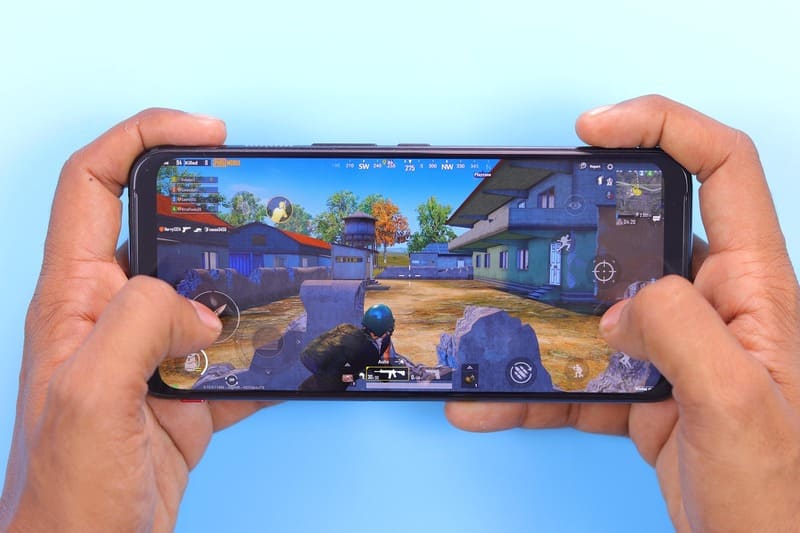
Source: Pixabay
Despite the significant changes in the modern gaming industry, game development is still fraught with challenges. In order to improve player experience, developers may implement innovative and feasible approaches by comprehending the several common challenges in game development.
1. Technical Challenges
While optimizing gameplay for several platforms and ensuring compatibility, developers frequently encounter technical challenges. Performance problems and the requirement to stay up-to-date on the quick changes in technology are involved. It is essential to comprehend and analyze each platform during the planning process, utilizing effective coding techniques, in order to overcome these challenges.
2. Resource Management
In addition to technical difficulties, limited resources—such as funding and personnel—can significantly affect game development. Developers often explore creative ways to secure funding, such as crowdfunding or partnerships with publishers. Effective budgeting and resource allocation are essential to keeping development on track.
3. Scope Creep
Scope creep—when a game’s features and requirements expand beyond the original plan—often leads to development delays and cost overruns. This usually results from a lack of clear communication or shifting project goals. To prevent it, developers should prioritize essential features, apply strict project management practices, and establish a change control process to manage unforeseen costs.
4. Player Expectations
As social media continues to influence public perception, players’ expectations for quality and engagement are higher than ever—especially for popular or widely accessible games. Failure to meet these expectations can result in negative publicity and loss of trust. Therefore, developers should build early prototypes to gather feedback and conduct thorough market research to understand player preferences.
5. Finding a balance between familiarity and innovation
Game developers must strike a balance between maintaining familiar mechanics and introducing fresh, innovative gameplay experiences. Achieving this balance requires extensive market research and testing new ideas with the target audience to ensure innovation enhances rather than disrupts player immersion.
Major Trends in Game Development for 2026
After understanding the common challenges in game development, we now turn to the major trends shaping the gaming industry in 2026. These trends are expected to transform how games are developed, experienced, and monetized—creating a more accessible and innovative gaming landscape while enhancing global competitiveness..
1. The Growing of Cloud Gaming Services

Source: Pixabay
Cloud gaming is moving beyond early adoption, offering instant access across devices without costly hardware or installs. By 2026, cloud platforms will likely expand into complex genres like RPGs and open-world survival as game streaming grows.
2. AI-Driven Content Generation
By 2026, the widespread use of AI-based technologies will revolutionize content creation—enabling the development of dynamic worlds, missions, and storylines tailored to each player’s unique preferences.
3. The Rise of Indie Game Innovation
Indie games have been a vital part of the global gaming landscape for over a decade. In 2026, indie developers drive innovation through cloud distribution and AI tools for faster prototyping and global reach. The global success of games like RimWorld, Stardew Valley, and Fall Guys shows a strong and growing future for indie gaming.
4. Cross-Platform Play
The lines between consoles, PCs, and mobile devices are becoming more blurred due to major technological advancements. This is currently a required standard that alters player preferences rather than an additional advantage. Gamers anticipate a smooth cross-platform experience that includes cross-player functionality and synchronized progress. Games become more accessible and create larger communities as a result.
5. Immersive Technologies on Gaming: VR + AR

Source: Pixabay
VR and AR are becoming mainstream in 2026, further bridging the real and virtual worlds. AR adds interactive elements to real-world environments, while VR allows players to fully immerse themselves in digital spaces.
Predictions for Game Development Beyond 2026

Source: Pixabay.com
As we approach 2026, the game development landscape is poised for significant transformation—from advancements in cloud infrastructure and AI-driven content generation to breakthroughs in immersive technology. These rapid developments prompt an important question: what lies ahead for game development beyond 2026?
1. BCIs: Ushering in a New Era of Immersive Gameplay
Brain-Computer Interfaces (BCIs) are expected to become increasingly influential in the global gaming industry. Although still in their early research stages, BCIs will enable new forms of input—such as thoughts and emotions—allowing players to interact with games directly through neural signals. This technology enhances accessibility and player immersion, especially when integrated with AI, VR, and AR to create deeply personalized experiences.
2. AI Development Technology
Artificial Intelligence (AI) is advancing rapidly, and developers are increasingly using it to automate quality assurance processes, detect bugs, craft narratives, and assist with visual design. Furthermore, when combined with photogrammetry, AI enables developers to recreate real-world objects and environments with exceptional realism. These advancements are set to reduce production time and cost, paving the way for faster and more efficient development cycles.
3. The Next Frontier of Gaming: Inclusion, Accessibility, and Diversity
As technology continues to advance, the global gaming industry will increasingly emphasize inclusion, accessibility, and cultural diversity. Players want broader representation, while developers are expected to create accessible experiences that resonate globally.
Conclusion: Invest in AI, Cross-Platform, and Immersive Tech to Lead the Next Era
In 2026, advanced technologies, flexible distribution models, and greater player agency will redefine the landscape of game development. Developers who adopt immersive tech, build seamless cross-platform experiences, and use AI responsibly will gain a global competitive edge. The next era of gaming will be led by studios that blend creativity with strategic innovation. Those who quickly adapt to new tools and shifting player expectations will shape the industry’s future and set new standards for interactive entertainment.
![Understanding regional gaming regulations is key to launching successfully across Southeast Asia.]](https://speequalgames.com/wp-content/uploads/2026/09/image-10.jpeg)
![Localized voice and subtitles helping mobile games connect with Thai players.]](https://speequalgames.com/wp-content/uploads/2026/09/image-8.jpeg)

![Localization from day one helps games to connect with players throughout Southeast Asia.]](https://speequalgames.com/wp-content/uploads/2026/08/image-21.jpeg)