
Your game has already been translated into Indonesian, Thai, and Vietnamese, so why do players still say it doesn’t feel made for them?
That disconnect carries a massive cost. Southeast Asia is home to roughly 290 million gamers in a market projected to reach US$14 billion by 2030. Every time a “translated” game still feels foreign, publishers quietly bleed players and revenue in one of the world’s fastest-growing regions.
Most publishers stop at word-to-word translation, treating it as the finish line, which is precisely why literal translation falls short. Translation makes a game understood, but culturalization makes it loved, trusted, and naturally intuitive.
That gap between being understood and loved ultimately determines player retention across Southeast Asia. So what concretely separates the two, and why is it so critical for this region?
Localization Ends Where Culturalization Begins
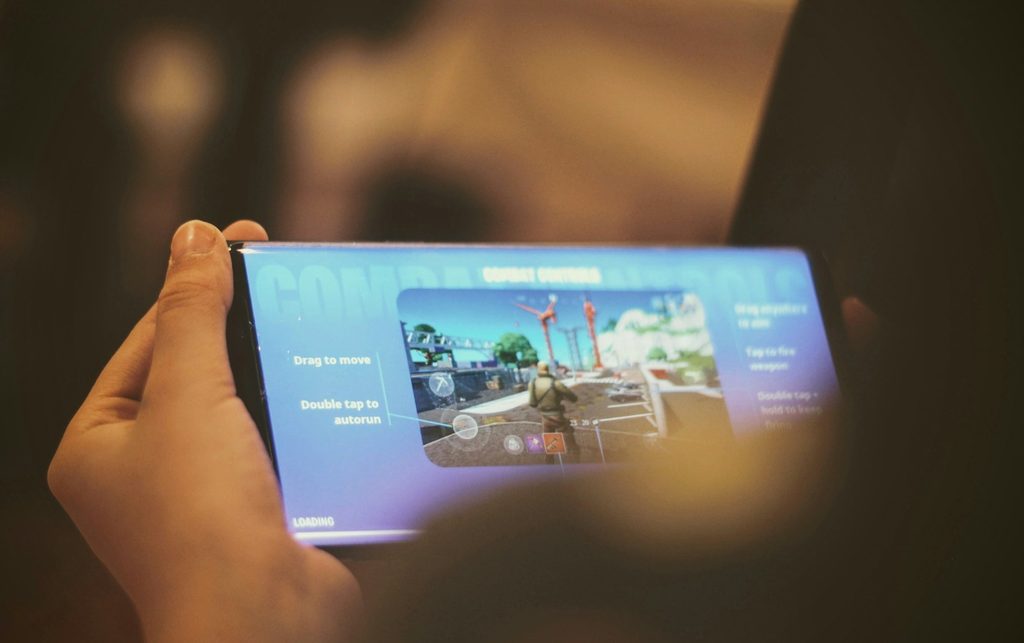
Culturalization evaluates a game’s visual, narrative, and interactive elements for cultural fit in each target market, going far beyond what standard translation and localization strategies usually cover. It asks not just whether players can read the text, but whether real cultural adaptation has shaped how the game looks, sounds, and behaves.
A proper culturalization review covers game narrative adaptation (historical references, religion, political sensitivity, moral value, and humor), character representation (stereotypes and gender norms), and audio or gesture choices (tone of voice, body language, and culturally loaded sound effects). Skipping this step is not a minor creative gap. Weak culturalization risks lost revenue, severe brand damage, and regulatory friction with local governments, which is why the IGDA treats this as a serious business risk rather than a matter of preference.
This risk is not hypothetical. According to Tempo, the Indonesian Ulema Council (MUI) West Java branch considered issuing a fatwa declaring PUBG haram in 2019 following the Christchurch mosque attack in New Zealand. The issue was not caused by a language error; it was a cultural sensitivity issue that became serious enough to attract national-level attention.
For any Southeast Asia game market entry plan, this is not an academic distinction. It maps directly onto whether a player feels a game was actually made with them in mind, which is why culturalization must be embedded in the cultural adaptation strategy from day one, not as a final polish step.
SEA Players Read Culturalization as Trust, Not Decoration
Southeast Asia is far from a monolithic market. Deep religious, ethnic, and linguistic nuances vary significantly even within single borders, making generic, one-size-fits-all localization strategies ineffective.
The region spans Muslim-majority Indonesia, Buddhist-majority Thailand, and Catholic-majority Philippines. Succeeding here requires country-level cultural sensitivity, not a single template stretched across the whole region.
One concrete way to culturalize a game for Southeast Asia is to align in-game events with local cultural calendars, while recognizing that the same celebration can take different forms across countries. Even Indonesia and Malaysia, both of which observe Ramadan and Eid al-Fitr, have distinct traditions and cultural practices surrounding these occasions. Reflecting these differences can make an in-game event feel locally authentic rather than relying on a generic regional treatment.
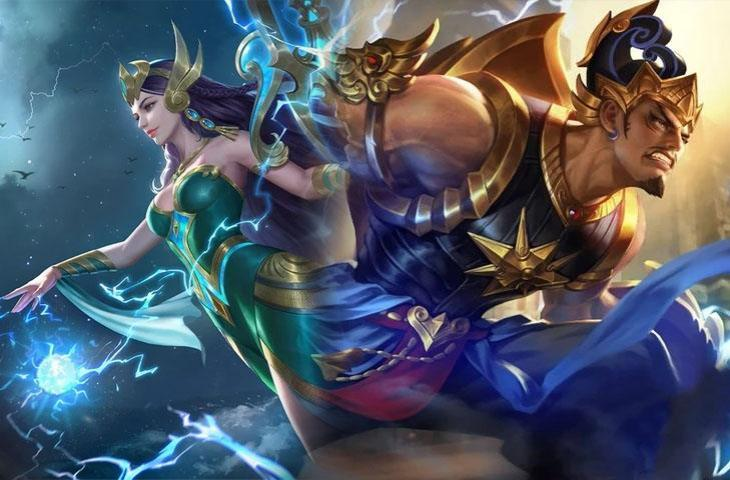
Mobile Legends: Bang Bang (MLBB) demonstrates this in Indonesia by releasing limited-edition skins tied directly to Independence Day. The campaign succeeds because the content reads as natively built for that country, rather than adapted as an afterthought.
Domestication, mapping unfamiliar cultural elements onto familiar local equivalents, also tends to hold player interest longer than literal translation. This is the core of localization vs. translation in games: translation carries the words over; domestication carries the meaning over.
The harder part of adapting game content for SEA is that this has to run country by country, not region by region, which is an operational shift most publishers have not made yet.
The Cost of Skipping Culturalization Shows Up Across the Player Journey
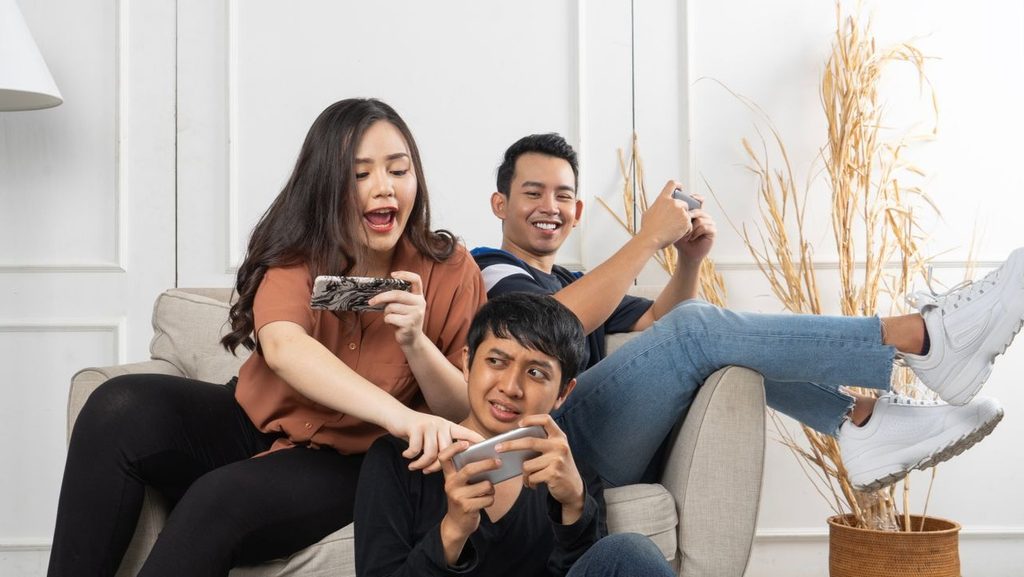
Players who cannot relate to a game rarely complain. They just leave quietly.
When audiences fail to connect with a game’s characters, humor, or cultural references, disengagement happens silently long before a bug report is ever filed. It is a stark reminder that player retention depends on far more than accurate strings.
In Southeast Asia, this vulnerability hits fast. Discovery across the region is driven by creators and active communities rather than app store charts alone, meaning a single cultural misstep can derail community sentiment long before it ever shows up in a review score.
Properly culturalized events, paired with community-driven content, work as a vital trust signal for players, not just extra entertainment.
That trust signal matters more than retention alone suggests. Where UA costs are already high, LTV-to-CAC (Livetime Value to Customer Acquisition Cost ratio) depends increasingly on whether players stay past the first week, not how cheaply they were acquired. A culturalization gap that quietly raises Day 7 churn can turn a profitable campaign into a loss-making one, with no support ticket to explain why.
Ultimately, the real question for a publisher expands beyond “did we translate this?” to “will players in this market feel like this game actually gets them?“
Conclusion: Transforming “Understood” Content into High-Retention Engagement
Literal translation was never going to be enough on its own. Culturalization is what turns “understood” into “loved,” and in a Southeast Asian market driven by creators and communities, that gap shows up directly in retention and spending.
For publishers deciding where to start: pull the Day 1 and Day 7 retention curves for Indonesia, Thailand, and the Philippines side by side. If one market drops noticeably faster despite identical UA spend and translation quality, the gap is usually cultural, not linguistic.
This is also the thinking behind SpeeQual Games‘ approach to video game localization services in the region: pairing localization with cultural review from native gamer teams in each SEA market, so what gets adapted is never just the language, word for word, but the culture underneath it.
![Localized voice and subtitles helping mobile games connect with Thai players.]](https://speequalgames.com/wp-content/uploads/2026/09/image-8.jpeg)

![Localization from day one helps games to connect with players throughout Southeast Asia.]](https://speequalgames.com/wp-content/uploads/2026/08/image-21.jpeg)
![Indonesia's top mobile games highlight trends for publishers to monitor in 2026.]](https://speequalgames.com/wp-content/uploads/2026/08/image-17.jpeg)