Players in Bangkok, Jakarta, and Manila talk about Genshin Impact as if it were made specifically for them. Its art style explains part of that appeal, but it does not account for why a Thai fan could pick up a Klee-themed milk tea at a local shop, or why fans in Singapore experienced the soundtrack performed by a local orchestra. According to research published in SHS Web of Conferences in 2024, the title generated around $4 billion in revenue over its first two years. Since its launch, Genshin Impact marketing has combined multilingual voice-overs and text with regional events, collaborations, and platform-specific social content.
Most publishers entering Asia put their localization budget into the trailer, the store listing, and the ad copy, then run the campaign on a global calendar with global partners. Every line reads correctly in Thai or Vietnamese, yet nothing about the timing, the venue, or the partner tells a player in Ho Chi Minh City that the game is talking to them.
That gap is where Genshin‘s lesson sits: marketing localization means adapting where, when, and with whom you speak to players, not just translating text. The marketing only works on top of the product, so the product is the place to start.
Genshin Impact Localization Beyond Language: Voice, Text, and Cultural Hybridity
A “made for you” message is credible only when the game already behaves that way, and here the localization is tiered rather than total. The game offers 13 text languages but four voice-over languages: Chinese, English, Japanese, and Korean. A player in Thailand or Indonesia reads every quest in their native language and picks a voice cast from a separate menu, so comprehension is local even where performance is not.
The second layer is cultural. A DiGRA 2026 paper on the game describes miHoYo fusing Chinese cultural motifs with Japanese anime aesthetics and global mythologies. That hybrid identity provides different audiences a familiar way in. Anime fans recognise the visual language, while players drawn to myth recognise the archetypes, which is why anime aesthetic games need specialised localization teams that can read both layers.
Translation also shapes character. A comparative study of English and Chinese voice lines argues that translation choices change how audiences perceive the same character. For marketing teams, the implication is concrete: a character teaser, a banner tagline, or a creator brief has to match the personality players meet in their localized build, not the one in the source script.
Marketing can promise “made for you” only if in-game localization already delivers it, a point we also traced in the LQA work behind MLBB and Genshin Impact. With the product localized, HoYoverse turns to local cultural moments.
How HoYoverse Localizes Marketing Through Local Cultural Moments
Local relevance comes from timing and partners as much as from language. An account director at a PR agency that consults HoYoverse in Thailand describes the approach as tapping local cultural moments through collaborations with local organizations, celebrations, and festivals. The agency’s own example is Loy Krathong 2023, when it worked with the Tourism Authority of Thailand to link the newly released Fontaine region to festival missions. As the agency’s own account, it describes intent rather than measured results.
The KOI Thé collaboration shows the same logic in everyday retail. From 22 March to 30 April 2024, 54 KOI Thé stores across Thailand sold Jean and Klee themed drinks and packaging, with a combo set that included an in-game scratch card. Milk tea is a routine purchase, so the campaign met players on an ordinary afternoon and handed them a path back into the game.
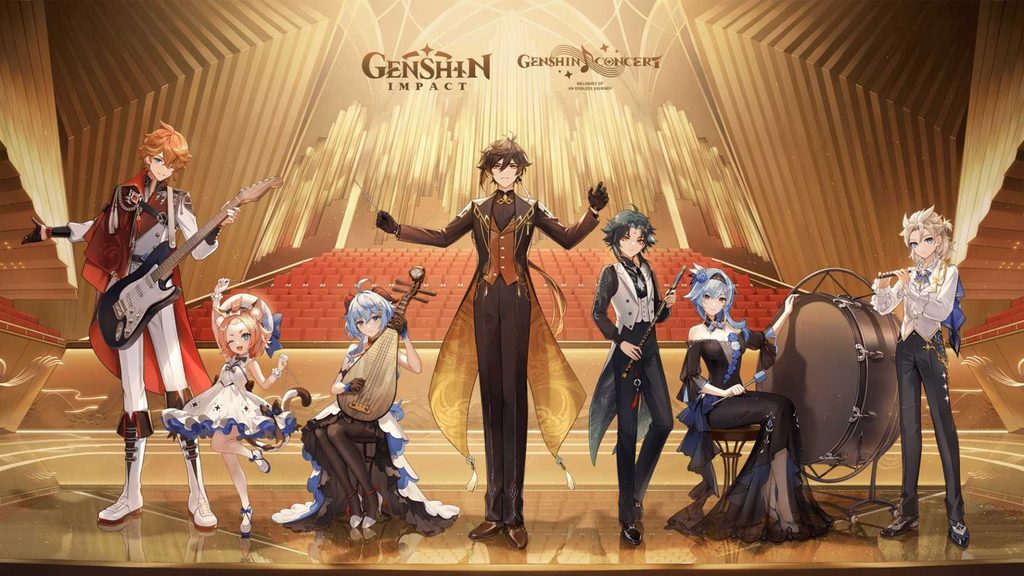
Live music operates on an even larger scale. The 2023 concert tour brought the soundtrack to Singapore’s Esplanade, performed by the Metropolitan Festival Orchestra, alongside a performance in Kuala Lumpur. Marketing analyses of the brand read regional concerts like these as a way to tailor relevance per market; pairing a global soundtrack with a local orchestra and prestige venue is a clear case of that strategy in action.
The takeaway is to choose game localization partners and moments your local audience already celebrates. Moments and partners, however, need a segmentation logic behind them.
Game Marketing Localization Strategy: Segment by Region, Not Just Language

Regional economics and cultural preferences change, which affects which offers and channels work. The KOI Thé combo, for instance, was priced at 295 baht, a local price point tied to a local habit, not a converted global bundle. Broader industry analyses of HoYoverse campaigns make the same point at scale: banner performance and media return vary by region, proving that localization must extend to voice talent, event timing, and community rituals.
Content distribution across those markets follows a purpose-driven channel strategy. Instagram and Facebook carry visual storytelling such as character art and event key visuals, TikTok carries short gameplay clips, and YouTube carries long-form lore, trailers, and patch previews.
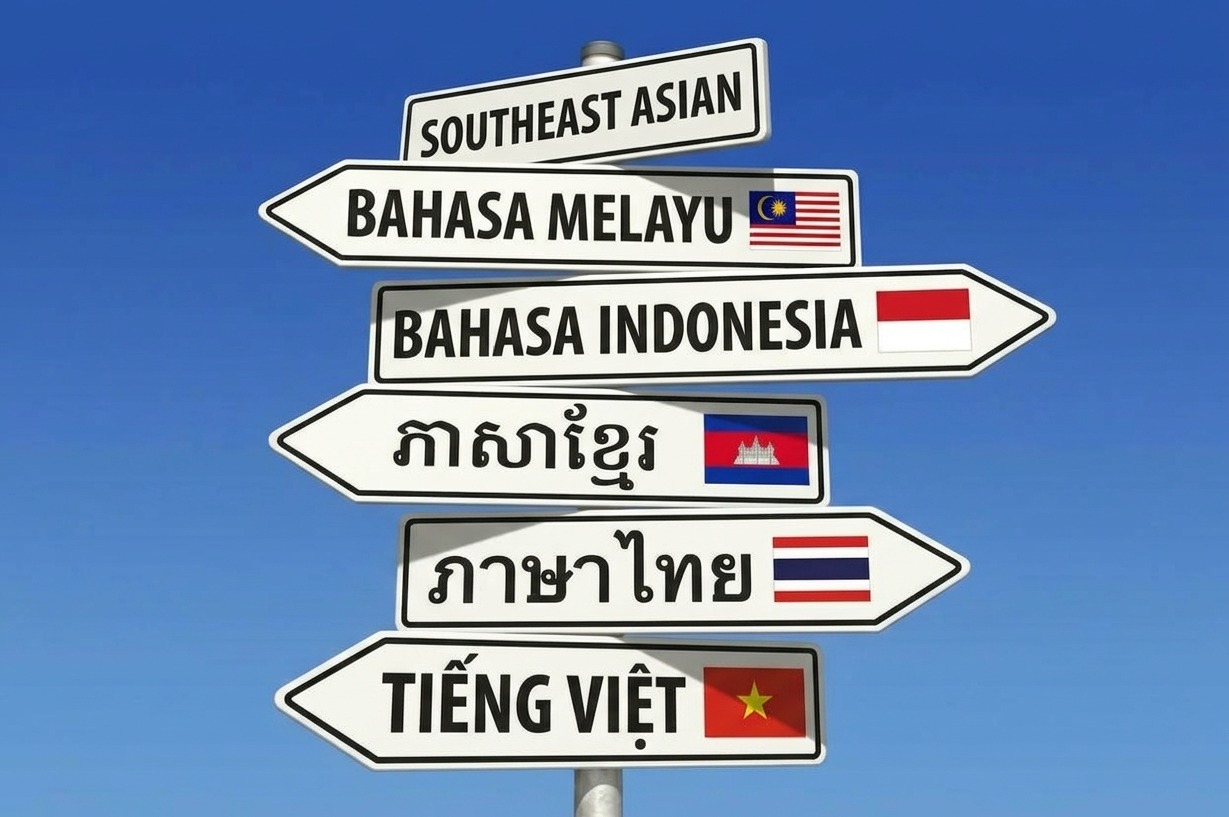
In Southeast Asia, segmentation should start at country level. Niko Partners expects the region to pass 300 million players, with more than 126 million in Indonesia alone, yet Indonesia, Thailand, Vietnam, the Philippines, and Malaysia differ in language, holidays, payment habits, and the brands players trust. A single “SEA” bucket averages those differences away. This is the gap that game marketing localization is meant to close, by adapting campaign copy, creatives, and timing per country.
One translated campaign deck is not a localized campaign. Even the best-resourced studios sometimes get this wrong, which makes their missteps useful to study.
Where Localization Controversies Show the Limits
Genshin‘s growth has not been frictionless. The same DiGRA paper notes localization controversies around race, cultural representation, and translation, and reads them as a tension between commercial ambition and cultural sensitivity.
Two lessons follow for marketing teams. First, campaign copy, character descriptions, and event themes need cultural review, not only linguistic proofing. A line can be grammatically perfect and still land badly when it touches skin tone, religion, or a real culture’s symbols, which is why gaming culture trends sometimes clash with local values. Second, when a community raises a concern, respond quickly and in the local language. A reply posted only in English tells Thai or Indonesian players that their channel is a lower priority.
Cultural review is a risk control, not a nice-to-have. These lessons translate into a practical checklist.
Lessons Publishers Can Apply to Localized Game Marketing in Southeast Asia
- Localize the product first, then the message. Campaigns that promise local relevance draw attention to any gap in the build.
- Build a local cultural calendar and plan events around it: Ramadan and Hari Raya in Indonesia and Malaysia, Songkran and Loy Krathong in Thailand, Tet in Vietnam, and the long Christmas season in the Philippines.
- Choose local brand partners that fit everyday habits, such as tea shops, convenience stores, or local payment apps, so the campaign appears in a player’s normal routine.
- Run local-language community channels and creator programs per country, because gaming communities shape how a localized game is received long after launch.
- Add cultural review to every campaign, not just to the game build.
A single idea ties these together.
Conclusion: Building a Truly Localized Marketing Engine
Players feel Genshin Impact was made for them because the product, the voice, the timing, and the partners all point the same way. The translated copy is the smallest part of that alignment.
Localizing a campaign is therefore a system, built in the same order HoYoverse appears to follow: product, then moments, then segmentation, with cultural review running through all three.
SpeeQual Games brings 24+ years of localization expertise and more than 10 years of gaming specialization to that system, from in-game text and voice to campaign copy and community content, through our game localization services. Talk to our team about localizing both your game and your go-to-market in Southeast Asia.