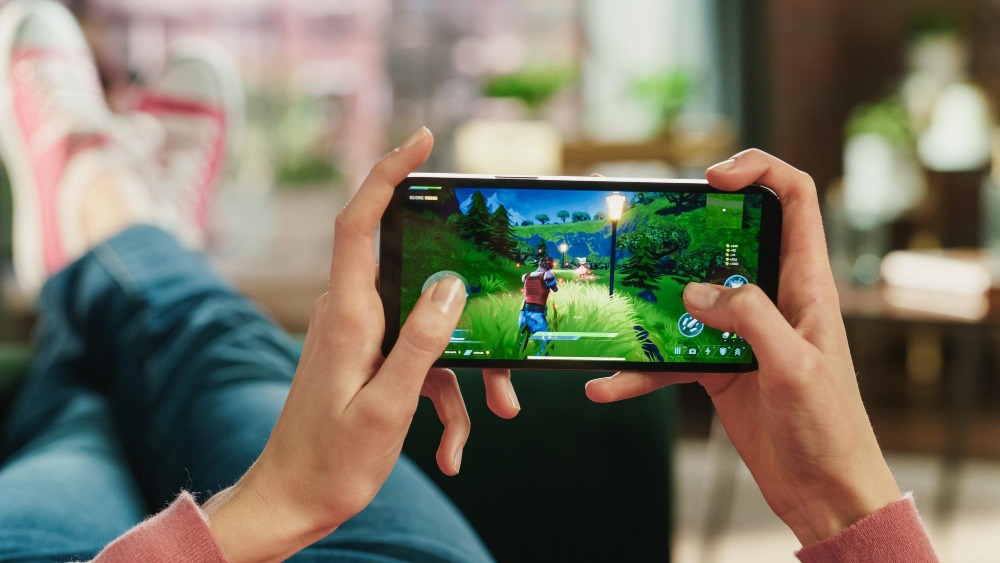
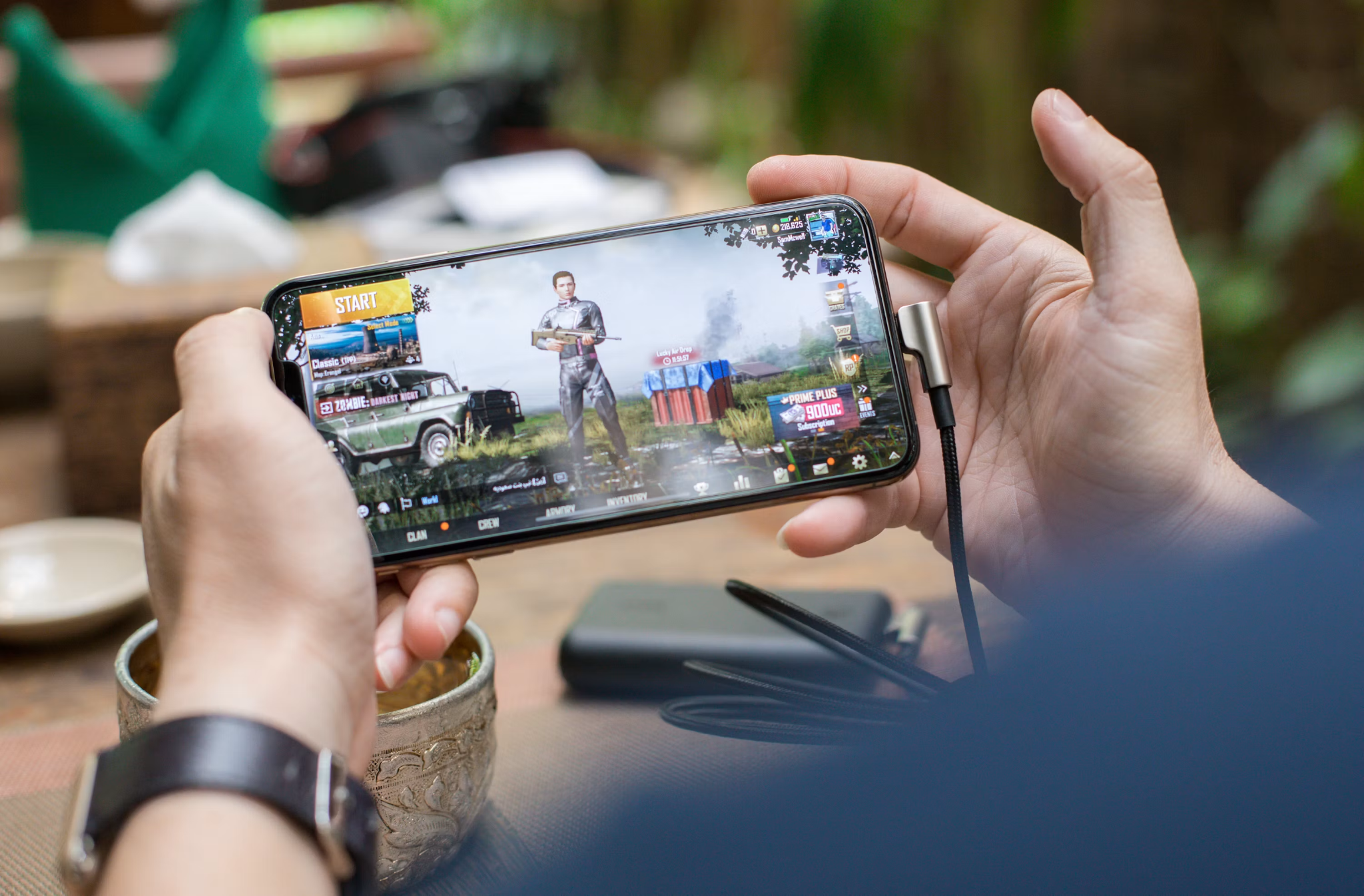
Vietnamese studios shipped more mobile game downloads in 2025 than any other country in the world, easily outpacing established leaders like China and the United States. That number shows up in almost every pitch about Vietnam’s gaming market: and on its own, it says almost nothing about where the money actually is.
The real story starts once the download charts get set aside. Southeast Asia’s most engaged PC and esports audience is sitting inside that same country, spending on a completely different logic than the one mobile was built around. Esports awareness already reaches 94% of Vietnam’s population, with 59% watching regularly; nearly double the Southeast Asian average, and that number alone should change how publishers think about where the opportunity actually sits.
Treat that audience like just another download target and the campaign will underperform in ways no mobile dashboard can explain. Vietnam’s mobile export success and its PC and esports growth are not the same market wearing two skins; they are two separate player economies, and the localization strategy that wins one can actively sabotage the other. What comes next is what most publishers are still missing.
Two Vietnams, Two Player Economies
Vietnam’s gaming market may look like one opportunity from the outside, but player behavior changes significantly depending on the platform. Mobile has built its strength around scale, accessibility, and efficient monetization, while PC gaming has developed through repeated access, longer engagement, and increasingly connected communities.
The shift in devices goes deeper than hardware. It fundamentally shapes a player’s journey, changing not only how they discover games, but why they keep playing, who influences their choices, and where their money goes.
That journey begins with the contrast between mobile reach and PC access.
Mobile: Built for Reach
Vietnam’s mobile market has historically been built around scale. Mobile remains the country’s dominant gaming platform, but that reach does not translate evenly into spending. Roughly 7%-10% of Vietnamese mobile players spend anything at all, with around 2%-3% classified as high spenders.
That economics favors models designed to maximize reach, including advertising, lightweight gameplay, and increasingly hybrid monetization. Vietnamese studios have been particularly successful at this scale, generating billions of downloads globally, but the download volume tells only part of the story.
On the PC side, the opportunity begins with something different: access.
PC: Built Through Access and Habit
The PC market works under an entirely different economic logic from mobile, a divergence that begins with how players access the games.
Vietnam’s gaming-PC market is projected to grow at a 14.4% CAGR through 2030, while the country’s long-standing quán net, or gaming-café, culture continues to make PC gaming accessible to players who may not own high-end hardware.
This is not a leftover from the early-2000s cafe boom: Vietnam’s internet cafe count is still climbing, up 8.59% since 2023 to roughly 1,692 locations by late 2025, and mainstream and power gamers there log 11 to 21-plus hours a week, time that converts directly into the hardware familiarity and spending habit this section is about.
When capable PC access is available outside the home, gaming becomes easier to integrate into everyday life. Players can return regularly, spend longer sessions, and develop familiarity with the games, genres, hardware, and communities surrounding PC gaming.
Repeated access creates repeated behavior.
And repeated behavior creates something the download-first mobile model does not necessarily produce: habit.
From Habit to an Established Gaming Environment
Once gaming becomes habitual, it stops being an isolated activity. Players do not simply open a game, play, and leave. Regular participation connects them to a wider gaming environment.
Vietnam’s PC ecosystem brings together gaming cafés, hardware communities, creators, competitive gaming, and online communities. Players discover games not only through advertising, but through the people and spaces that already influence what they play.
For publishers, this changes the acquisition equation. The objective is no longer simply to generate an install. It is to become part of an ecosystem that gives players reasons to play, return, and participate. In Vietnam, that ecosystem is deeply tied to esports.
In Vietnam, one of the strongest expressions of that connected gaming environment is esports.
Esports Is Mainstream Culture in Vietnam, Not a Niche
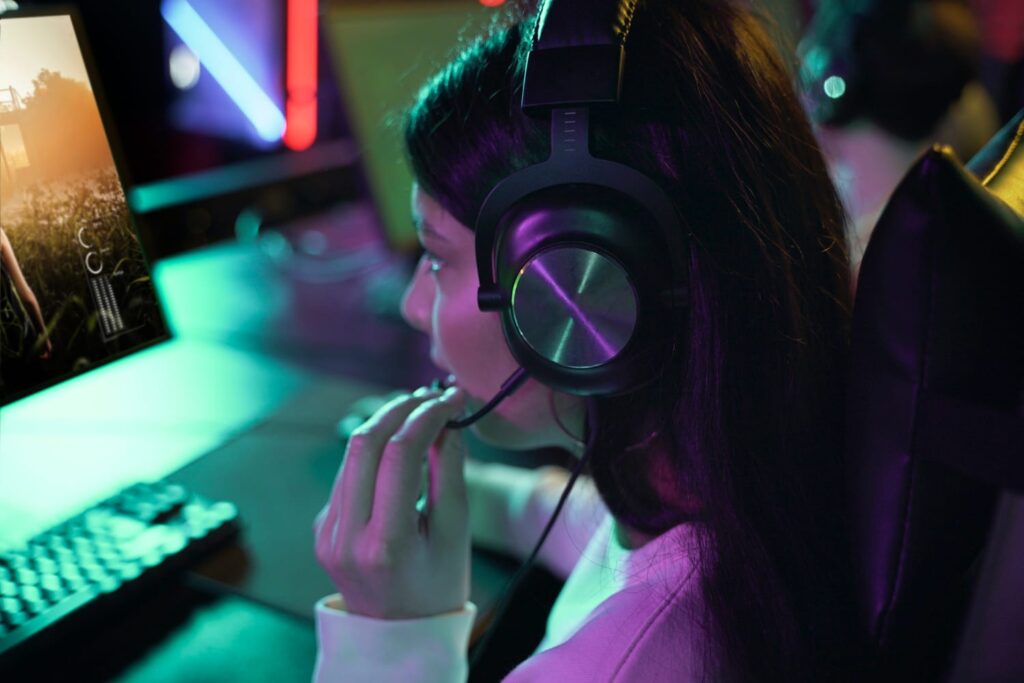
As gaming becomes embedded in regular routines and communities, esports gives those communities something to organize around.
Teams, tournaments, creators, rosters, rivalries, and competitive scenes turn gaming from an individual activity into a shared culture. This helps explain why esports in Vietnam is not a niche interest sitting alongside the gaming market. It is part of how a significant number of players watch, discuss, and engage with games.
Esports awareness reaches 94% of Vietnam’s population, and 59% watch regularly; nearly double the Southeast Asian average of 32% and well above Singapore’s 18%. Vietnamese fans follow esports much like football supporters follow a league, tracking rosters, transfers, and rivalries rather than simply moving on to the next game. A Vietnam esports strategy built around a single title misses the point, because loyalty here attaches to teams and community more than to any one game.
This is structural, not a fad. Vietnam’s esports teams have competed internationally since 2010, and the Vietnam Esports Association has represented the country in the International Esports Federation since 2009.
Vietnam’s esports and entertainment habits now overlap so much that watching and playing function as a single leisure activity. That organized fandom gives publishers a distribution channel mobile ad networks cannot replicate: community endorsement rather than impression volume.
Community and competitive culture can influence discovery in ways that impression-based acquisition cannot replicate. A recommendation from a trusted creator, a team, a tournament, or an established community can create a stronger reason to pay attention and participate than another ad impression alone.
But deeper participation has another consequence: gaming becomes something players are already willing to invest time and money into
For PC Gamers, Spending Is Part of Participation
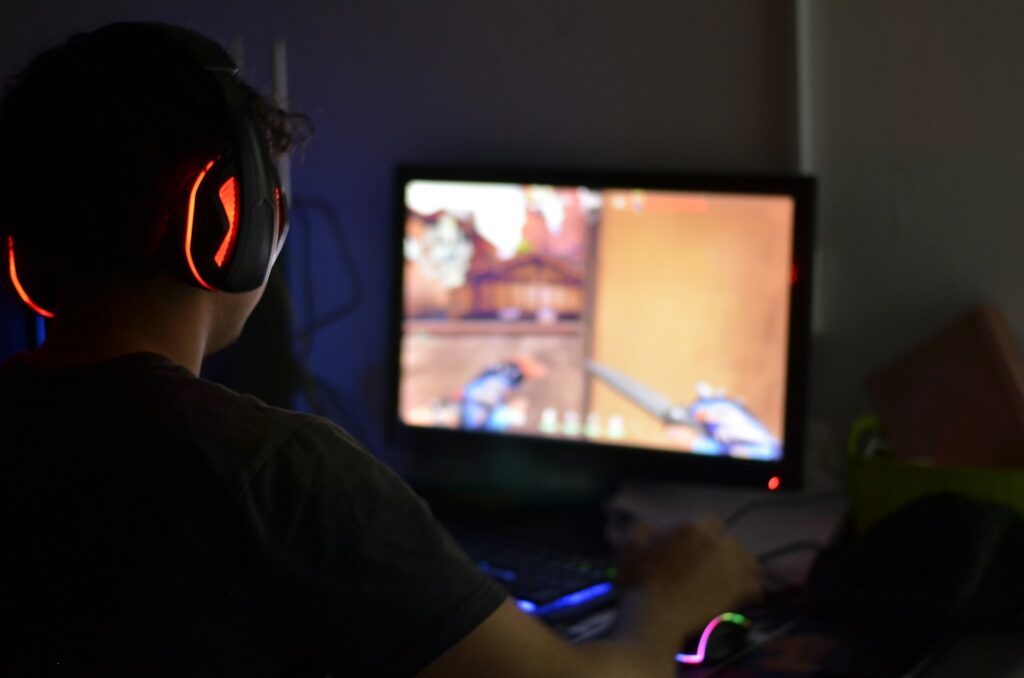
Vietnam’s PC and esports audiences already have established spending habits, from hourly access and tournament fees to upgrading their gaming hardware; expenses that rarely appear in the hyper-casual mobile economy.
These expenses matter because they show that gaming is not always treated as a frictionless, zero-cost activity. Players are already making deliberate decisions about where to invest in their gaming experience.
That does not mean PC players simply spend more on every game. Instead, it means they may evaluate purchases through a different value equation. When players are accustomed to paying for access, performance, competition, or long-term participation, monetization needs to give them a clear reason to spend.
For publishers, the challenge is not simply porting a mobile monetization model over to PC. It is about aligning what players buy with how they already play; making every purchase feel like a natural extension of their gaming habits.
What performs instead: community-first monetization, including tournament bundles and exclusive battle passes tied to a scene players already follow closely, rather than broad ad-funded reach.
The same principle applies to localization. A Vietnamese PC audience is not defined only by language. Its expectations are also shaped by the genres it plays, the communities it participates in, and the competitive culture surrounding those games.
That is why localization needs to follow the player economy, not simply the platform.
Conclusion: Winning Vietnam’s PC Audience Demands a Different Localization Strategy
Vietnam’s mobile success was built around scale. Its PC and esports opportunity is built around a different journey: access creates habit, habit builds communities, and deeper participation creates different expectations around value and spending.
These are two player economies inside one country. A mobile-first localization playbook cannot simply be scaled up for Vietnam’s PC and esports audience. Publishers need to understand how players access games, what communities influence them, and what makes them invest.
With 10+ years of gaming specialization, SpeeQual Games has already mapped both sides of Vietnam’s player economy. Talk to our team about building a PC and esports localization strategy, or explore how our marketing services support community-first campaigns built around the audience that actually pays.

![Malay dialects give players a quick sense of whether a game truly speaks to their community.]](https://speequalgames.com/wp-content/uploads/2026/09/image-21.jpeg)