The popularity of games in today’s era is not an accident; it stems from an extensive understanding of gaming culture and player behavior. Gaming culture has evolved into a strategic force that fosters growth and innovation.
Today’s players engage more than just consume content; they shape it. Many games now thrive because players build unique experiences inside them, ranging from custom maps and mods to social events shared on streaming platforms.
However, many studios still rely on out-of-date metrics that prioritize short-term success, such as first-week sales or subscription income. Meanwhile, modern approaches acknowledge that a game’s popularity is determined by how well it fits into player culture and how it encourages creativity, shared experiences, and connection.
Ready for deeper insights on how gaming culture is shaping gaming success in 2026? Dive into the full article below!
Gaming Culture Has Become a Scalable Growth Mechanism
Gaming culture has developed into a potent and scalable growth engine. It is shaping how millions of people across the world engage in, share, and play games.
The way players share jokes, memes, slang, community rituals, and stories affects how rapidly a game grows and gains popularity. This cultural discourse turns games from products to social experiences that expand beyond just exposure but also because they become relevant to everyday activity.
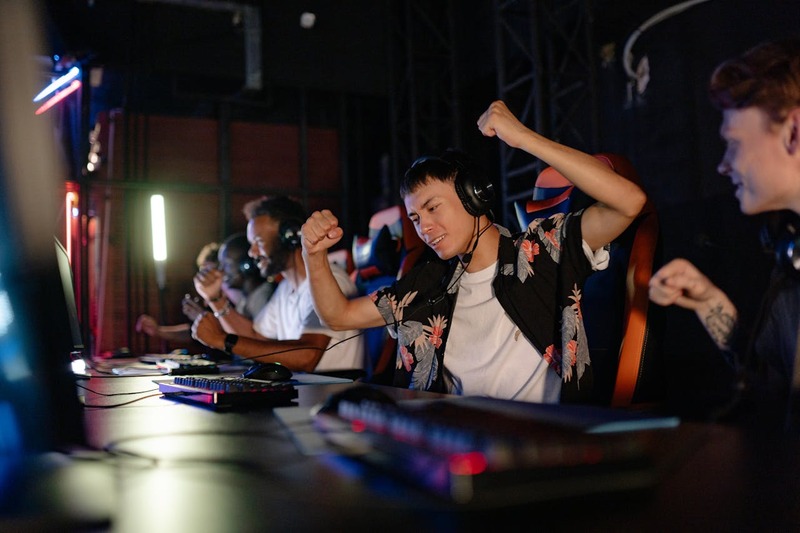
Furthermore, a game’s popularity loop is determined by social engagement rather than technical features. Players don’t only play games; they experience them together. They plan events, exchange strategies, produce content, and even shape the game’s cultural significance through collaboration, fan art, and shared challenges. This collective action increases engagement and maintains interest long after the launch.
Modern games typically contain user-generated content (UGC), community challenges, and adaptive storylines, allowing players to shape the game’s purpose and progress. This collaborative culture makes games seem like they are owned by the players, which increases loyalty and attracts new audiences organically.
This kind of growth is driven by relevance, rather than just exposure. Culturally relevant games connect with the daily lives, languages, identities, and shared experiences among their players.
What “Popular Gaming” Actually Means in 2026
Source: Freepik.com
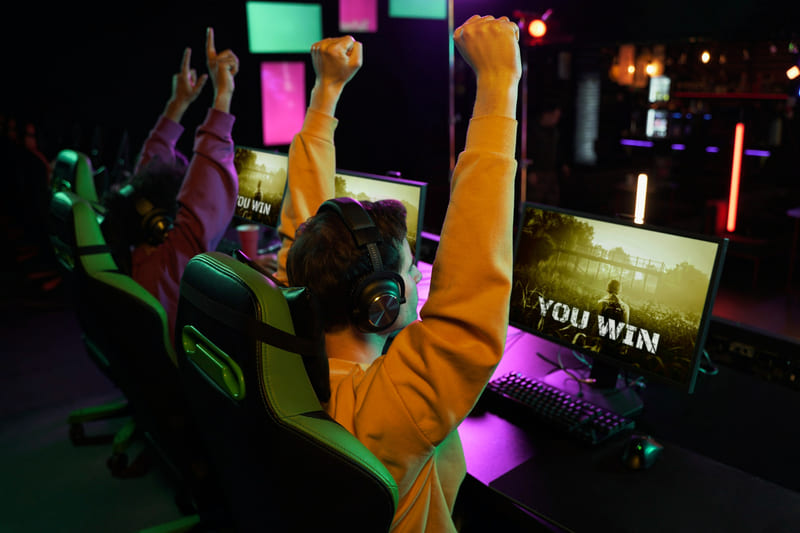
In 2026, the idea of popular gaming has changed from calculating how many players a game has to recognizing how much people are talking about, sharing, and experiencing it. A game’s popularity nowadays is determined not just by the number of players or downloads, but also by how powerfully it resonates in global conversation, culture, and daily life.
Engagement is increasingly more important than acquisition since longevity outperforms a one-time viral spike. A game that becomes viral for a short period of time may gain attention, but one that keeps players chatting, streaming, generating, and returning becomes deeply embedded in the culture.
This shift indicates that exposure alone does not ensure long-term success. A title may be viewed by millions of people, but if gamers don’t feel connected to it—if it doesn’t fit into their social or cultural interests—it will fade quickly. Engagement and cultural fit decide whether a title survives or fails in this modern gaming industry.
Community engagement is another factor that will contribute to gaming’s popularity in 2026. Games that allow players to make significant contributions through UGC, social engagement, or shared creative spaces build larger cultural footprints.
Studios That Read Culture Win Before Launch

Source: Freepik.com
Making a successful game requires more than just visuals, gameplay, and marketing; it’s also about knowing players’ social contexts before launch. Culturally relevant games are more likely to be accepted, generate greater publicity, and avoid backlash.
When players experience themes, symbols, or storylines that reflect their values, history, or perspective, they feel noticed and connected. However, little cultural mistakes—such as inappropriate jokes, insensitive images, or misused symbols—can make a game feel out of touch or even offensive, losing trust and excitement before players even engage completely with the experience.
That is why pre-launch alignment with cultural context is more crucial than post-launch fixes. Fixing cultural mistakes after launch might feel reactive and incomplete, but doing it well before launch fosters trust, good publicity, and genuine connections with communities.
Localization Is the Infrastructure Behind Cultural Adoption
A game speaking the player’s language in words and meaning is far more likely to gain acceptance globally.
Localization drives cultural adoption by making games feel designed for local players, not merely imported products everywhere worldwide. Many developers mistakenly think that literal translation is sufficient to make a game accessible across markets. Simply translating words often fails to convey cultural context, humor, idioms, and emotional cues that give dialogue authenticity and meaning.
Literal translation might make speech lines sound awkward or storylines lose punch. Proper localization goes beyond translation by adapting text, references, voices, and imagery to feel native for local players. This profound adaptation makes players feel more understood and emotionally engaged in the game environment.
Popular games succeed not only through translation, but by being accessible and emotionally meaningful across different cultures. Localization and translation boost growth by allowing games to access new markets and thrive for years after release.
Partnering with translation and cultural adaptation experts helps games genuinely resonate with global audiences worldwide across diverse markets. A professional localization partner like SpeeQual Games assists studios in transforming their games into culturally relevant experiences that seem native in all markets, thus promoting growth, player engagement, and global popularity.
Conclusion: In 2026, Culture Is the Fastest Path to Popularity
Gaming culture adoption is the fastest path to game success in 2026, as the industry has moved beyond basic stats and features. Nowadays, popularity depends not just on metrics, but on how deeply a game resonates with local players and communities
Predictive analytics anticipate churn, while relevance-driven procedural systems personalize gameplay, reduce repetition, and sustain player engagement. For developers, understanding gaming culture entails acknowledging that communities, social interactions, and cultural fit all affect whether players remain engaged or leave. Engagement—user-generated content, shared experiences, and cultural relevance—matters more than acquisition, driving long-term retention and sustainable popularity growth.