Modern games never stop evolving. From open-world adventures to live-service experiences, developers are constantly releasing new stories, characters, and in-game events that require rapid localization for players worldwide. As content volumes increase, manual translation alone is unable to keep up with tight release schedules.
Machine Translation Post-Editing (MTPE) provides a smarter solution by integrating AI translation with human expertise to deliver speed and cultural precision. This balanced strategy allows developers to provide multilingual content more quickly while maintaining the storyline and player experience that make games memorable.
Previously, we introduced the fundamentals of MTPE and how AI translation integrates with professional linguists to improve quality. In this article, we’ll explore how MTPE empowers developers to adapt to evolving industry trends, scale multilinguastreamline localization workflows, and deliver consistent, high-quality experiences to players worldwide.
The Shift Toward Live-Ops and Real-Time Content: Gaming Industry Trends Driving the Need for Speed
Today’s hottest titles thrive on live-ops, which provide seasonal updates, battle passes, limited-time events, and new content to keep players coming back week after week. Whether it’s a new character, a special event, or a balancing patch, players all across the world expect to experience everything simultaneously. This rapid release cycle presents additional issues for localization.
Traditional localization workflows may take weeks since each piece of content must be translated and reviewed before being released. While this approach delivers high-quality outcomes, it can cause delays in releases when developers need to make updates in a matter of days, or even hours.
To meet these tighter deadlines, many game developers are using AI-powered translation. Modern AI can handle massive amounts of text in minutes, providing localization teams with a significant advantage. However, research shows that AI alone still fails with cultural adaptation, emotional tone, and context, particularly in story-driven games.
This is why MTPE is becoming a more valuable solution. MTPE enables AI to quickly generate the initial translation, while expert linguists revise the material for accuracy, consistency, and cultural nuances. The result is a speedier localization workflow that retains the quality players expect while helping developers to keep up with rigorous live-ops schedules.
MTPE for Massive Games: Blending AI Speed with Human Expertise

From complex fantasy RPGs to story-rich open-world adventures, today’s games feature a staggering quantity of text. Dynamic dialogue, branching choices, companion interactions, and evolving plots could quickly amount to hundreds of thousands of lines that must be translated for a worldwide audience.
While AI can interpret thousands of lines of dialogue in minutes, it does not fully comprehend the world beyond the words. Games are filled with humor, emotional moments, regional slang, fantasy lore, character relationships, and sophisticated narrative, which machines often take incorrectly.
According to research on video game localization, language models still have to struggle with puns, oral language, cultural references, emotional nuance, and contextual meaning—all of which are important for player immersion.
Linguists in an MTPE workflow do significantly more than just correct grammar mistakes. They keep each character’s distinct voice, ensuring dialogue corresponds to personalities and story progression; use consistent terminology throughout quests and UI; adapt humour and cultural allusions for local audiences; and rewrite text to comply with interface constraints without losing meaning. They also detect mistranslations, ambiguous phrasing, and AI-generated hallucinations, which might confound or interrupt gameplay.
Whether you’re planning a global launch, expanding into new markets, or supporting ongoing live-ops content, SpeeQual Games can help you scale securely without affecting player experience. SpeeQual Games offers rapid, culturally authentic localization by integrating robust AI technology with expert human linguists through an MTPE workflow.
Integrating AI Translation Tools into the Localization Web
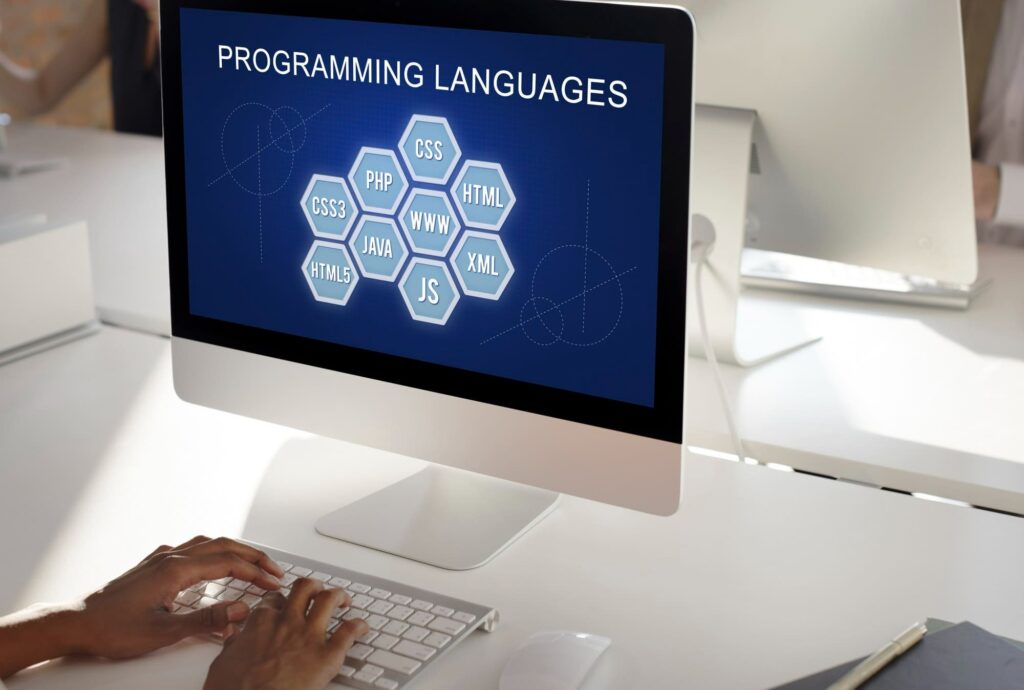
Modern game development is based on integrated processes that keep all teams in sync. AI translation tools are able to integrate directly with content management systems (CMS), localization platforms, and game engines like Unity and Unreal Engine via APIs.
Instead of manually exporting spreadsheets and transferring data across teams, developers may automate the whole localization process. API-driven localization has become an essential aspect of continuous development, allowing studios to effectively manage live-service games and regular content updates.
With an MTPE workflow, the procedure becomes simpler and more streamlined. New dialogue, quest descriptions, UI text, achievements, and item names are automatically exported from the CMS or game engine via an API. Rather than waiting for a manual handoff, the new strings are immediately sent to an AI translation engine, which produces a first-pass translation in several target languages in minutes.
The translated content is subsequently sent straight to expert linguists. Instead of translating each line from scratch, linguists work on improving the AI output. They improve grammar, maintain each character’s personality, adapt humor and cultural references, verify terminology, and ensure that text fits within UI character limits.
Once approved, the finalized translations are automatically synced with the localization and build repository using the same API connections. The updated language files are now ready for QA testing, incorporation into the latest game build, and release alongside new patches or seasonal updates.
Why More Game Studios Are Investing in MTPE Services
As games increase in size and reach a global audience, localization has become an essential component of every successful launch. Supporting multiple languages is becoming more anticipated by players, and it can significantly boost global engagement, downloads, and long-term revenue. The challenge is to provide high-quality translations without significantly raising production costs.
Modern MTPE is helping solve this concern. According to Nimdzi’s research, average MTPE adoption has climbed from 26% in 2022 to nearly 46% in 2024, indicating a significant shift in how global businesses create multilingual content. Companies are increasingly merging AI-powered machine translation with professional human editing to improve localization efficiency while preserving quality.
MTPE helps studios to substantially reduce translation costs and expedite time to market. The saving can subsequently be used for other creative areas like professional voice-over recording, cinematic localization, QA testing, or marketing campaigns. With MTPE, developers no longer have to choose between quality and efficiency; they can have both while delivering compelling experiences to players worldwide.
Conclusion: Smarter Localization for Global Gaming Future
Game localization is evolving beyond just translating content more quickly. With live-service games, massive open worlds, and global releases becoming trends, developers are seeking smarter localization solutions that can grow effectively while retaining quality in all languages.
MTPE blends the speed of AI-powered translation with the creativity and cultural understanding of human linguists, allowing studios to swiftly localize enormous amounts of content while preserving authentic player experiences. MTPE enables developers to safely expand across borders by automating localization workflows via API integration to lower costs and accelerate time to market.
As the gaming industry expands into new markets and languages, MTPE is proving to be more than just a translation method—it’s a better approach to produce games that resonate with players all across the world.