When a single Malaysian league season peaks above 600,000 concurrent viewers, localization stops being a menu setting and becomes part of a live cultural event. That is what happened in MPL Malaysia Season 16, whose Grand Final peaked at 600,905 viewers in November 2025, about 20% above Season 15’s peak of 497,877. Malaysia has 18.8 million gamers, more than half the population, and they spend an average of 3.59 hours a week watching esports, according to Niko Partners research cited in the same Moonton release.
For a publisher bringing a competitive title into Malaysia, most localization plans cover the client: UI strings, the store page, and perhaps patch notes. They rarely cover where those viewers actually engage: the caster explaining a new hero on stream, the clip shared the morning after a final, or the word the community already uses for a mechanic the game calls something else.
A Malaysia esports audience this engaged needs a localization strategy built for viewers, communities, and multilingual audiences, not only for players reading menus. The first decision is language, because Malaysia is not a one-language market.
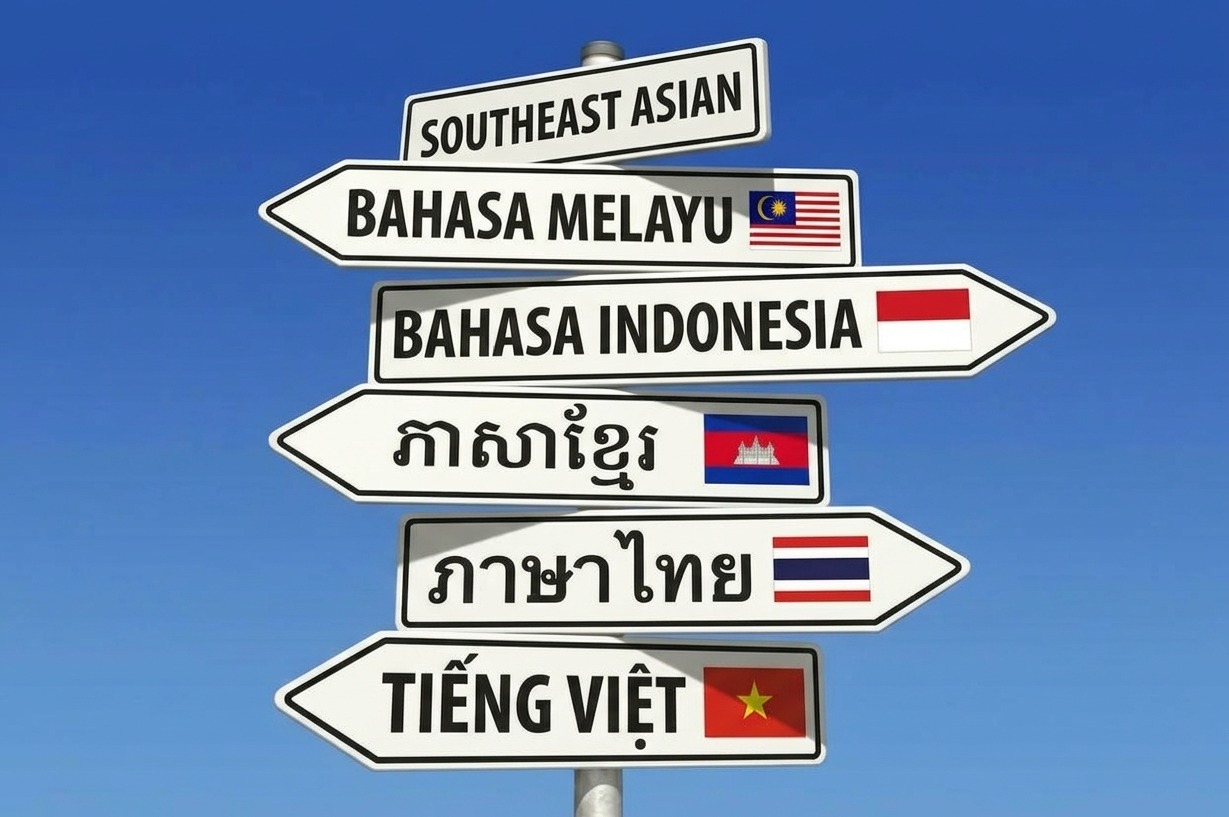
Malay vs English vs Mandarin Game Localization: Malaysia Is a Multilingual Audience
In Malaysia, language choice is a portfolio decision rather than a single pick. When Moonton set out its academy league, it announced that MAL MY would carry live commentary in Bahasa Malaysia and Mandarin, serving two audience segments in parallel.
A 2018 PocketGamer.biz market snapshot noted that English is a compulsory part of the primary school curriculum, so English games can find players, while Malay is the official and most commonly spoken language, so Malay localization reaches a wider audience. The data is dated, but the logic holds: English lowers the entry barrier, and Malay extends reach.
Chinese is the third layer. A 2024 study in The Translator surveyed 75 Chinese Malaysian gamers and found that most preferred to play in Chinese, with just over a quarter favouring English. Nearly half wanted a version closer to local usage than the official Simplified Chinese text, so a Chinese build made for China may not fit Malaysia. While the sample size is small, it serves as a strong signal to test local preference.
In practice, this means a competitive title’s baseline should include Malay and English at a minimum, with Chinese added wherever community, creator, or broadcast plans call for it. Voice acting introduces even further nuance, such as accent and register (covered in our piece on Malay dialects in game audio). But language is only the first layer; the second is how esports itself is spoken.
Esports Localization: Terminology, Callouts, and Community Slang
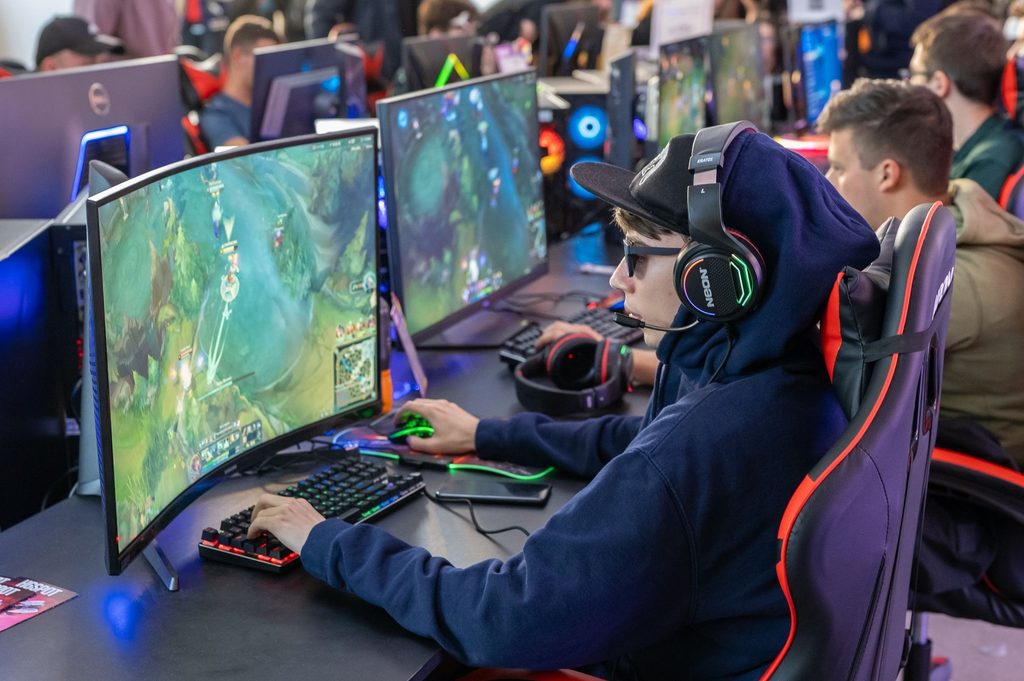
Esports communities build their own vocabulary, and it does not always match formal translation. Players shorten hero names, borrow English role labels, and invent callouts mid-match, and a translator working from a string file cannot know which terms the community has settled on.
That is why esports localization starts with a decision about what stays in English. Role names, common callouts, item shorthand, and patch jargon often remain in English even in Malay-language play, while ability descriptions, tutorials, and story text usually benefit from full localization. That split belongs in a glossary shared by translators, community managers, and broadcast teams.
Validate that glossary with Malaysian players and casters, not only translators. Casters say a term hundreds of times a season, and their usage shapes what viewers repeat in chat.
Spectator UI, tournament naming, and patch notes should draw on the same glossary, so a hero rework sounds the same in the patch notes as it does on stream. When the community uses different words than the game, players notice, and trust in the localized version drops. Terminology matters even more when the audience is watching rather than playing.
Localizing for Viewers, Not Just Players
Esports adds a second audience: people who watch. During a broadcast they meet the game through commentary, overlays, and clips rather than the client, and each is a localization surface.
- Commentary language and caster briefing materials, including the glossary.
- On-screen text such as spectator UI, overlays, and lower thirds.
- Event naming, schedules, and rules pages.
- Highlight clips and short-form edits, which travel further than the full broadcast.
The weekly viewing habit noted above makes this a recurring job, not an event-week task. Patch breakdowns and meta explainers deserve local-language versions on the same schedule as the patch itself. The audience is still growing, too: Season 17 peaked at 740,146 viewers and set a series record of more than 25 million hours watched.
[CHART RECOMMENDATION: Bar chart, MPL Malaysia peak concurrent viewers by season (Season 14: 262,061; Season 15: 497,877; Season 16: 600,905; Season 17: 740,146; source Esports Charts)]
The commercial layer is local as well. MPL MY Season 16 brought in CelcomDigi as Official League Presenter, alongside Yamaha, Grab Malaysia, and 100PLUS. Sponsor segments and tie-ins need copy that sounds Malaysian, so treat tournaments as localization surfaces, not just marketing events. For event-led campaigns more broadly, see what the Esports World Cup reveals about marketing localization. Beyond broadcast, the most durable lesson is cultural rooting.
Cultural Roots in Game Localization for Malaysia: What MLBB Shows
Deep localization builds loyalty over years, not patches. Mobile Legends: Bang Bang has passed 90 million cumulative downloads in Malaysia, and nearly one in five Malaysians plays it every month. In the same announcement, Moonton says deep localisation remains central to its globalisation strategy as the game enters its second decade.
The hero Badang shows what that looks like. Inspired by the legendary warrior of Malay folklore, he was reimagined by Malaysian participants at a Merdeka workshop at The Exchange TRX, led by local mural artist Cloakwork. It was not a translation task; it let players see a local legend inside the game as their own.
For esports titles, that rooting feeds the broadcast too, giving casters a story and fans someone to cheer for when their team drafts him. We looked at how studios turn Malay legends into playable heroes in more depth. These pieces can now be sequenced into a roadmap.
Building a Malaysia Esports Game Localization Strategy: A Four-Step Roadmap
- Decide languages and set the glossary. Choose Malay and English as the baseline, add Chinese where the community calls for it, and build the esports glossary with native players and casters before translation scales.
- Run LQA with native testers. Check UI, spectator views, and tournament assets in the build, because truncated hero names show up on stream before they show up in bug reports. Our guide to LQA across regional game builds covers how to structure this, and dedicated localization QA makes it repeatable every patch.
- Localize broadcast and creator content. Give casters and creators the glossary and patch summaries in their language before each release.
- Plan culturally rooted content and local partners. Map local festivals, folklore, and brands onto the content calendar, and brief sponsors with the game’s terminology.
Research co-published by Niko Partners and Moonton reports that 7 in 10 Malaysian parents now support their children pursuing esports professionally. That shift can shape tone in family and youth-facing campaigns. Together, these steps connect esports culture to everyday localization decisions.
Conclusion: Planning for the Malaysian Esports Calendar From Day One
A Malaysian league season that draws more than 600,000 concurrent viewers proves that gamers are more than just players, they are a dedicated audience. That audience needs language, terminology, and cultural representation that mirror what they hear on live streams and in community chat.
Esports culture turns localization into a living system that covers players, viewers, casters, and local brands. Studios that plan around the Malaysia esports calendar from the first build won’t just avoid costly retrofits later, they will build brand loyalty that lasts a decade.
SpeeQual Games brings 24+ years of localization expertise and more than 10 years of gaming specialization to Malaysia-ready launches, from multilingual Malay, English, and Chinese text to esports glossaries and LQA with native testers. Explore our game localization services or talk to our team about planning your Malaysia rollout.