An anime crossover can bring a mobile game into an existing fan conversation overnight. Lapsed players return for limited-time character banners, while anime fans download the game for the first time. The opportunity is clear, but turning that attention into downloads, engagement, and long-term retention depends on how well the crossover is localized, presented, and integrated into the game.
Driven by this potential, crossover events have become a standard fixture of mobile LiveOps. GameRefinery reported in 2025 that almost 60% of the top 200 mobile games use IP collaborations as part of their LiveOps strategy, particularly among midcore games such as shooting, sandbox, and 4X strategy titles.
An anime IP can attract attention. A well-designed collaboration gives players a reason to stay.
Why Crossovers Move the Needle, Not Just the Vanity Metrics
A collaboration event can generate more activity than a standard content update because it reaches beyond a game’s existing user base.
It simultaneously engages three key audiences: active players seeking fresh content, lapsed players looking for a reason to return, and fans of the partner IP discovering the title through creator coverage and social media hype.
Data supports the impact of this approach. GameRefinery’s earlier analysis found that more than half of the top 20% performing games in the Japan iOS market used promotional collaboration events. In the China iOS market, more than 70% of the top 10% of highest-grossing games used them.
Anime crossovers specifically have delivered results that go well beyond a simple cosmetic bump. NetEase’s Identity V is often cited as the benchmark: its anime partnerships have consistently driven engagement spikes exceeding 600%, with individual events generating upward of $56,000 in additional revenue apiece, credited to a “respectful collaboration” approach that treats the source material as more than a reskin.
Anime carries an advantage most licensed IP cannot replicate: years of serialized storytelling have already cultivated deep character loyalty, so fans arrive with fixed expectations for how a character looks, speaks, and behaves. A crossover that honors those expectations converts recognition into genuine investment, while one that reduces a character to a generic skin forfeits the very attachment that made the IP worth licensing in the first place.
This need for authentic integration is why Mobile Legends: Bang Bang (MLBB) has run its Naruto collaboration across more than one phase rather than treating it as a single-season promotion. Sustaining an IP integration across multiple phases demonstrates that when an anime partnership delivers results, publishers double down on the strategy rather than treating it as a disposable tactic.
How Anime Crossovers Boost Mobile Game Engagement
What keeps players logging in throughout a crossover comes down to six core elements built directly into the event:
- Limited-time missions: Clear, actionable goals that reward daily play.
- Anime-themed game modes: Fresh mechanics that temporarily transform core gameplay.
- Exclusive collectibles: Desirable characters and cosmetics worth working toward.
- Daily login rewards: Consistent incentives that encourage habitual check-ins.
- Guild challenges: Social tasks that drive team-based participation.
- Narrative content: Storylines that deeply respect the partner IP’s lore.
By embedding these features directly into the core loop, the collaboration moves beyond a surface-level event to drive lasting mobile game engagement.
It’s Not Reskinning, It’s Respect: What Makes a Crossover Work
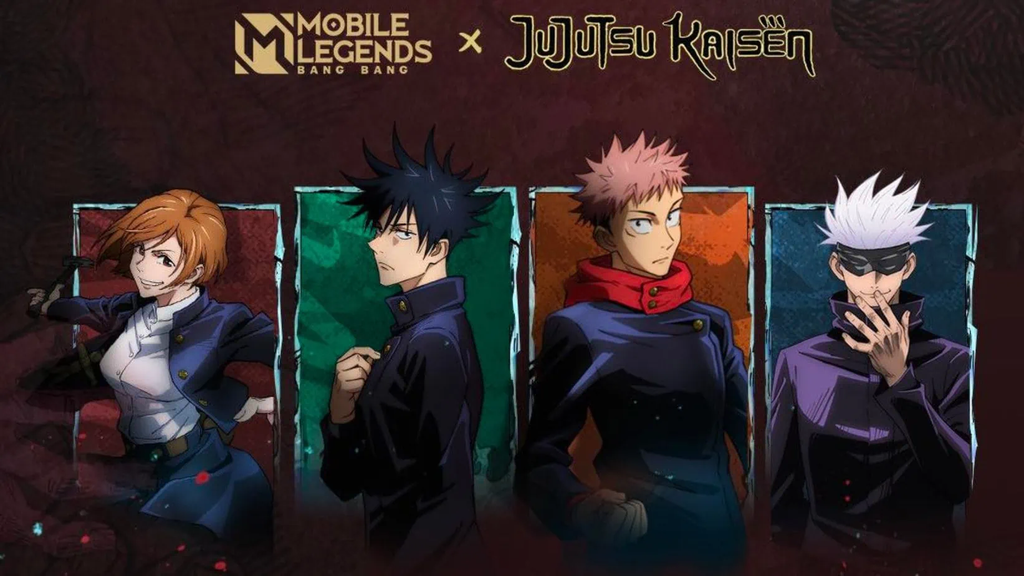
Anime licensing for game campaigns can be expensive, which is why the IP needs a meaningful role inside the game long before production begins.
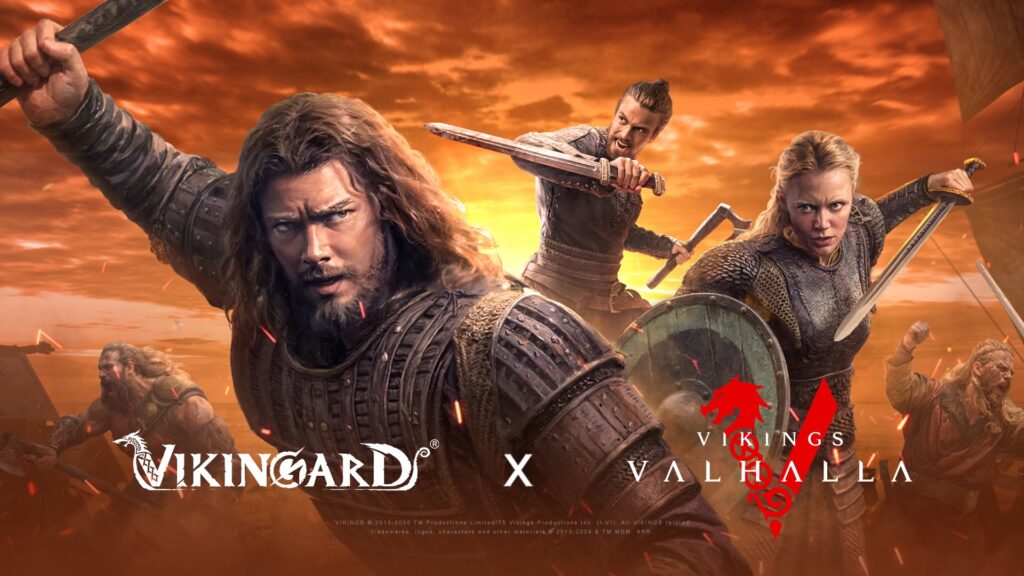
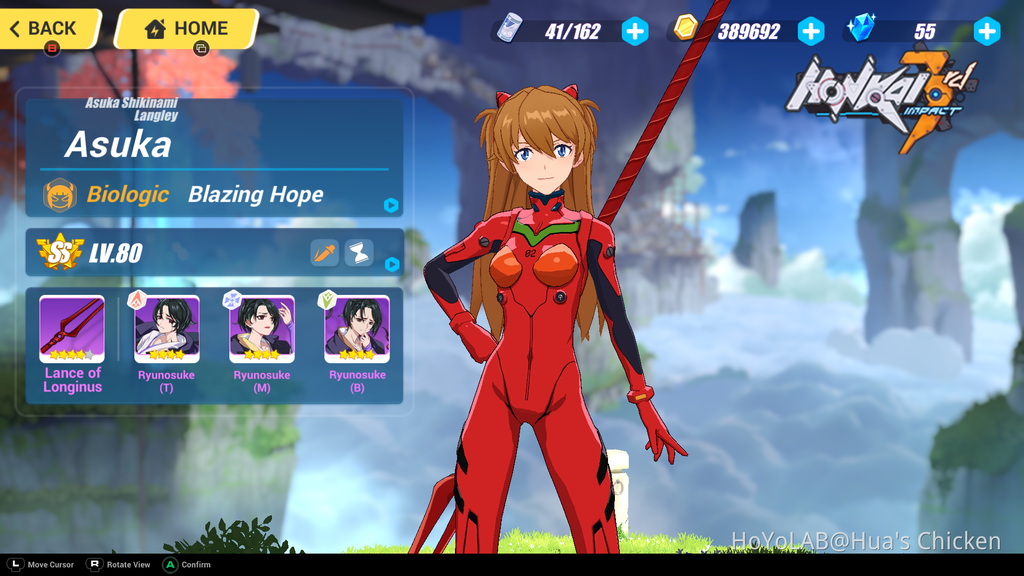
When done right, high-quality anime crossover mobile games sustain the engagement lift for weeks after the event rather than suffering an immediate drop once the initial hype fades. Cited from Premortem Games, GameRefinery’s analysis found that NetEase’s Vikingard held a US top-200 grossing spot for weeks after its Vikings: Valhalla crossover, while Goddess of Victory: Nikke saw a roughly 50% download spike in the weeks following its Evangelion collaboration. Achieving that level of retention comes down to setting a higher integration standard, and regional cultural alignment is a major part of meeting that standard.
A successful collaboration answers four practical questions:
- Why does this IP fit the target audience and regional market?
- How will the characters naturally interact with the game world?
- What meaningful activities will keep players engaged throughout the event?
- What lasting value or content remains after the event ends?
How these questions are answered depends on the genre. An RPG might lean on character dialogue and lore, a competitive title on themed cosmetics and modified modes, and a casual game on collection mechanics and social rewards.
Across all genres, character authenticity is non-negotiable. Dialogue, visual style, personality traits, and character dynamics must align with what fans expect. Anime audiences are well-versed in the source material and can easily identify when an IP has been reduced to a corporate logo or a superficial cosmetic skin.
PUBG Mobile’s collaboration with Neon Genesis Evangelion demonstrates what happens when these elements come together. The event featured dedicated gameplay modes, giant enemy encounters, character cosmetics, and layered progression rewards.
Mobile Games Player Retention vs. One-Time Revenue
A campaign can easily drive a temporary spike in downloads or initial purchases, but the true measure of success is how those new players behave long-term: whether they complete onboarding, return after the limited-time banners disappear, and become repeat spenders rather than one-time buyers.
User-generated content (UGC), such as fan art, recorded content, livestreams, and character discussions, naturally extends the life of the event. While this engagement pattern appears consistently in well-executed anime collaborations, publishers must actively track and foster it rather than assuming it will happen on its own.
The same applies to repeat spending. A first purchase may show initial interest, but only post-event behavior can show whether the collaboration created a stronger player relationship.
Regional Alignment Is the Multiplier in Southeast Asia
Southeast Asia stands as one of the world’s largest consumers of anime, yet too many publishers ship anime crossover mobile games as generic global assets without any local adaptation.
Treating the region as a single, homogeneous market is a missed opportunity. Layer Licensing report shows that aligning an anime IP with specific local player demographics directly drives higher adoption rates.
MLBB illustrates this mechanism: with roughly 110 million monthly active users and over 1.5 billion installs concentrated heavily in Southeast Asia, MOONTON leverages its regional footprint to execute anime collaborations, such as its Naruto partnership, as tailored regional events rather than global assets repurposed for local markets.
The same IP can produce drastically different results across Indonesia, Thailand, Malaysia, Vietnam, the Philippines, and Singapore because language expectations, creator ecosystems, payment habits, and cultural references vary wildly from one country to the next.
Fixing this requires a simple two-step playbook:
- First, identify country-specific appeal. Publishers must determine which specific anime IPs and characters hold real weight in each target market, rather than defaulting to whatever is trending globally.
- Second, tailor the execution to local players’ habits. This means localizing campaign messaging, choosing the right community channels, and building creator partnerships that resonate with regional gaming cultures.
Localizing Anime Crossover Events Across SEA
Localization can include more than translating event strings. A regional collaboration may touch in-game event copy and character dialogue, subtitles and local voice-over, store and storefront descriptions, website and social assets, and creator communication.
The character’s voice deserves special attention. An anime fan may recognize a character immediately, but the experience can lose its impact when the dialogue sounds stiff or disconnected from the character’s established personality.
MLBB‘s own Naruto collaboration shows what this looks like in practice: alongside the localized text and dialogue built for each SEA market, the game also let players switch hero voice lines to the original Japanese dub. Longtime fans could hear the voice performance they already associate with each character, while the rest of the event, from event copy to storefront, stayed native to the local market.
Beyond audio and language, effective localization also depends on timing. Event messaging may need to connect with local holidays, entertainment moments, or community activity in each country to maximize resonance.
The same campaign does not need to become a different product in every market. The player-facing details should feel considered for the audience receiving them.
Conclusion: Unlocking True Success in Anime Crossovers
An anime crossover may bring players to a game, but the quality of the experience determines whether they stay. The strongest campaigns give the IP a real place in gameplay, progression, and community, then adapt that experience for players in each market.
That is where true expertise matters: understanding genre, character roles, and live-service rhythms deeply enough to keep dialogue natural and event copy clear. It catches what a text-only review misses: a joke that loses its punch, a character who sounds out of place, or a message that feels disconnected even when the translation is technically correct.
For publishers expanding across Southeast Asia, success comes down to two concrete workstreams: identifying which anime IP genuinely resonates in each country rather than assuming global popularity translates, and executing the localization and culturalization, from event copy and character dialogue to subtitling and local voice-over, that makes the collaboration feel native. SpeeQual Games supports both: offering market research to select the right regional IP and delivering end-to-end localization and culturalization once the partner is chosen.