GWI reports that 77% of children aged 8-11 play video games. Among gamers aged 12-15, 38% prefer games with building or creating elements. This indicates that the gaming experience for the younger generation is not just about playing, but also about building, creating, and interacting. These Gen Alpha gaming preferences in Southeast Asia are becoming an important consideration for developers aiming to reach young players.
However, publishers must avoid a one-size-fits-all approach, as market maturity, infrastructure, culture, and device ecosystems differ significantly across individual nations. Gen Alpha continues to steer market direction by demanding sandbox mechanics, community-centric gameplay, mobile optimization, and culturally aligned content.
To understand the impact on the gaming industry, we first need to examine the characteristics and gaming preferences of this generation.
What Gen Alpha Wants from Games: Insights for Developers in Southeast Asia
Gen Alpha’s relationship with gaming points to changing expectations around what a game can offer. Although GWI’s global benchmark data offers valuable macro insights into child engagement, its metrics should be contextualized when applied to Southeast Asian markets specifically. Notably, 38% of surveyed 12-15 year old players express a preference for building and creative elements. This demand for sandbox mechanics is mirrored in Roblox’s rapid expansion, with usage in this cohort rising from 26% in 2021 to 51% in 2025.
These findings suggest that young players are not simply looking for entertainment. They are increasingly interested in games that provide opportunities for exploration, personalization, social interaction, and self-expression. For developers, this means the gaming experience can become a space where players make choices, create content, interact with others, and express their identities.
However, these global trends should be interpreted carefully in the Southeast Asian context. Indonesia, Thailand, Vietnam, the Philippines, and Malaysia each have distinct market conditions, cultures, device access, gaming communities, and platform preferences. Developers should therefore validate player preferences by country, age group, genre, and platform before finalizing game design or localization strategies.
These preferences become even more tangible when examining the specific types of games and features that capture the interest of Gen Alpha.
What Games Does Gen Alpha Play? From Playing to Creating
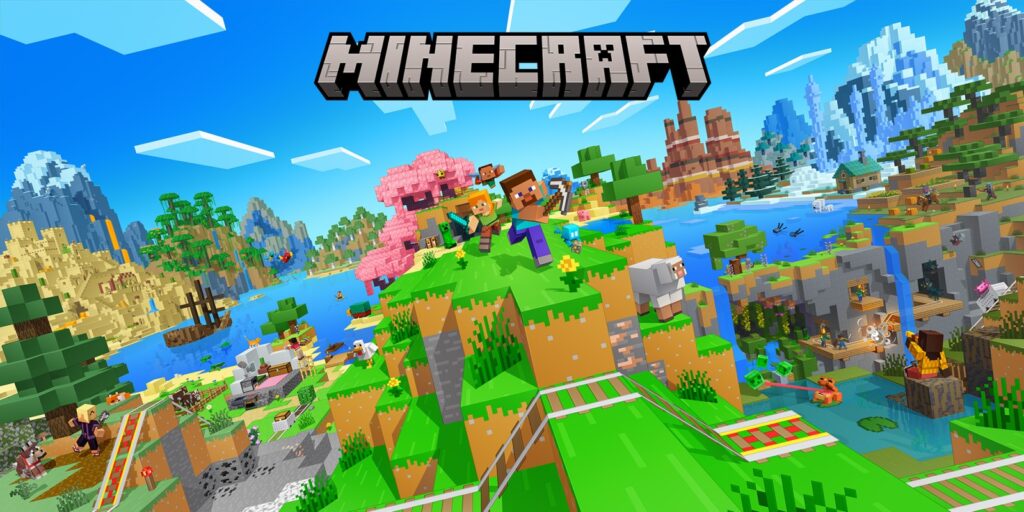
Gen Alphas are reimagining gaming by using it as a social platform and learning tool. Today’s young players actively seek out environments where they can build, customize, and shape their own virtual worlds. Roblox and Minecraft are strong examples of sandbox games that give players the freedom to build worlds, create objects, explore different environments, and play together with others. Roblox describes its platform as being powered by user-generated content (UGC), with creators building immersive experiences, avatar items, and other content for the community. Minecraft, meanwhile, describes its open-ended gameplay as supporting creativity, collaboration, and exploration.
The growing preference for sandbox and creative mechanics highlights a fundamental evolution in how young gamers interact with media. Features such as building tools, avatar customization, world creation, simulation, and UGC allow players to take a more active role in shaping their experiences. Instead of being only consumers of content, they can become contributors by designing spaces, creating objects, customizing characters, and sharing their creations with others.
Developers can apply this idea even without creating a full sandbox game. Instead, core mechanics can be thoughtfully enhanced by integrating features that grant agency:
- Character & Avatar customization: allowing deep control over identity, appearance, and personal expression.
- Level Design Editors: giving players access to tools that let them design maps, challenges, or custom arenas.
- Custom Asset Creation: enabling players to craft, modify, or trade custom items and gear.
- Branching Story Choices: providing narrative options that directly alter game outcomes and world states.
However, developers must distinguish between superficial cosmetic additions and mechanics that truly enrich gameplay. While visual add-ons offer temporary vanity appeal, deep creative systems foster long-term engagement, skill development, and genuine ownership.
These creative spaces also open up opportunities for interaction that make games a part of players’ social lives.
Gen Alpha Social Gaming and User-Generated Content
Research from GWI reveals that video games function as virtual hangouts, with kids using multiplayer party titles and co-op experiences to stay connected. Beyond digital spaces, gaming also fuels real-world connection: playing in person with friends is a growing trend, reinforced by the fact that 57% of 12–15-year-old gamers prefer chatting online with friends to playing alone.
Multiplayer and Shared Gaming Experiences
Co-op missions, shared open worlds, multiplayer modes, and social hubs turn games into digital hangouts. Instead of just chasing high scores alone, young players log in to hang out, tackle group quests, or just explore virtual spaces together. Adding solid social features gives players a real reason to keep coming back, since every play session feels totally different when jumping in with friends.
This social element becomes even stronger when players can contribute something of their own. UGC allows players to create and share maps, avatars, items, mods, stories, and other community-created content. For developers, UGC can also extend the content lifecycle because the community can continuously introduce new experiences without requiring the development team to produce every piece of content themselves.
However, creating social and UGC-driven experiences for younger audiences also requires careful consideration of online safety. Underage players can face risks from inappropriate communication, unwanted contact, privacy issues, or harmful user-generated content. Developers should therefore provide appropriate moderation tools, reporting systems, privacy settings, and parental controls. Social features should also be designed around the gameplay itself, rather than acting as a superficial chat window or friend list tacked onto an isolated experience.
To ensure these social and creative experiences are widely accessible, developers also need to understand the devices players use.
Mobile Gaming Habits of Gen Alpha and the Importance of Accessibility

Smart devices are integral to Gen Alpha’s digital habits, but developers cannot treat Southeast Asia as a monolithic, smartphone-only gaming market. Data from GWI underscores strong youth engagement with games, yet it stops short of proving a region-wide, mobile-first standard across SEA. Nevertheless, regional mobile engagement remains exceptionally strong, with Southeast Asia capturing the second-largest share of global mobile game downloads in Q1 2025 at 1.93 billion new installs, according to Sensor Tower. Consequently, understanding mobile device habits and optimizing performance is essential for developers aiming to reach young audiences in this market.
When mobile is an important part of the target market, game design should account for the realities of playing on a smaller touchscreen. Responsive touch controls, simple navigation, intuitive UI, and flexible play sessions can make games easier to access. Developers should also consider file size, loading times, connectivity, and device compatibility. Google notes that slow startup can negatively affect user experience, making performance an important part of accessibility.
These considerations become even more important across Southeast Asia, where smartphone capabilities and connection quality can vary between markets. Developers should test games on entry-level and mid-range devices, rather than focusing only on flagship models. GSMA highlights the diversity of mobile connectivity across Asia Pacific, reinforcing the need to account for different network conditions.
Furthermore, adopting a “mobile-first” approach does not mean limiting distribution to mobile devices exclusively; platform strategies should ultimately align with the genre and target audience. Ultimately, smooth performance on accessible hardware builds player retention and long-term satisfaction.
Beyond the hardware itself, experiences that resonate with players’ daily lives also determine a game’s relevance within a local market.
How Local Culture Influences Gen Alpha Gamers and Game Development
Cultural affinity can influence how Gen Alpha gamers in Southeast Asia respond to a game, but localization needs to go beyond simply adding local symbols or familiar imagery. Language, humor, characters, narratives, symbols, and local customs can all shape how relevant and authentic a game feels.
How Game Developers Can Attract Gen Alpha Players
To attract Gen Alpha players, developers can combine cultural relevance with features that match their expectations, such as creative gameplay, safe social interactions, and performance optimized for the devices they use. Localization should also reflect genuine market understanding. Native reviewers and local playtesting can help identify whether dialogue, humor, characters, visuals, and gameplay feel natural and relevant rather than superficially “local.”
Developers should also avoid cultural stereotypes or assuming that one representation will resonate across Southeast Asia. The region includes diverse languages, cultures, traditions, and gaming communities, so cultural relevance should be rooted in player research rather than simply adding cultural characters, ornaments, or references. A localized game should reflect how players actually experience their market and culture.
Understanding the preferences of this generation will help developers set more precise design and localization priorities for the Southeast Asian market.
Conclusion: How Gen Alpha Gamers Are Shaping the Future of Gaming in Southeast Asia
Gen Alpha is changing gaming expectations through a stronger focus on creativity, social interaction, mobile access, and content that reflects players’ identities and cultures. While these preferences are particularly visible among younger players, the demand for engaging, personalized, and culturally relevant experiences extends beyond one generation. Developers can use these insights to improve gaming experiences for broader audiences while adapting features to the needs of different player groups.
However, designing games for younger audiences also comes with greater responsibility. Developers should ensure that content, communication features, and social interactions are age-appropriate, supported by parental controls, and aligned with country-specific age ratings and child protection requirements. They should also encourage healthy gaming habits through balanced gameplay, appropriate break opportunities, and positive community interactions that promote cooperation rather than toxic behavior.
For developers targeting Southeast Asia, understanding these generational and regional differences is key to creating experiences that feel accessible, safe and relevant. SpeeQual Games helps developers navigate localization needs for the Southeast Asian market, from language and cultural adjustments to Localization Quality Assurance (LQA), ensuring that every part of the game experience feels natural and relevant to local players.