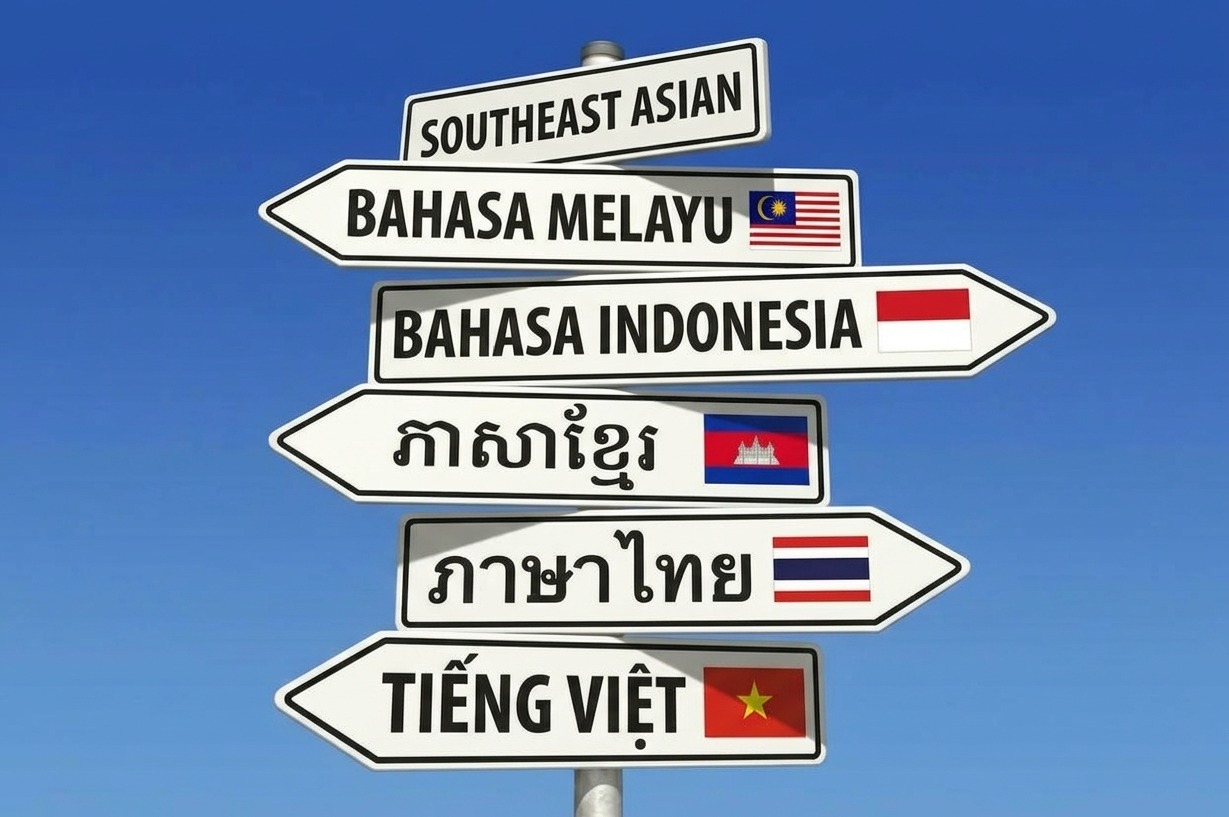
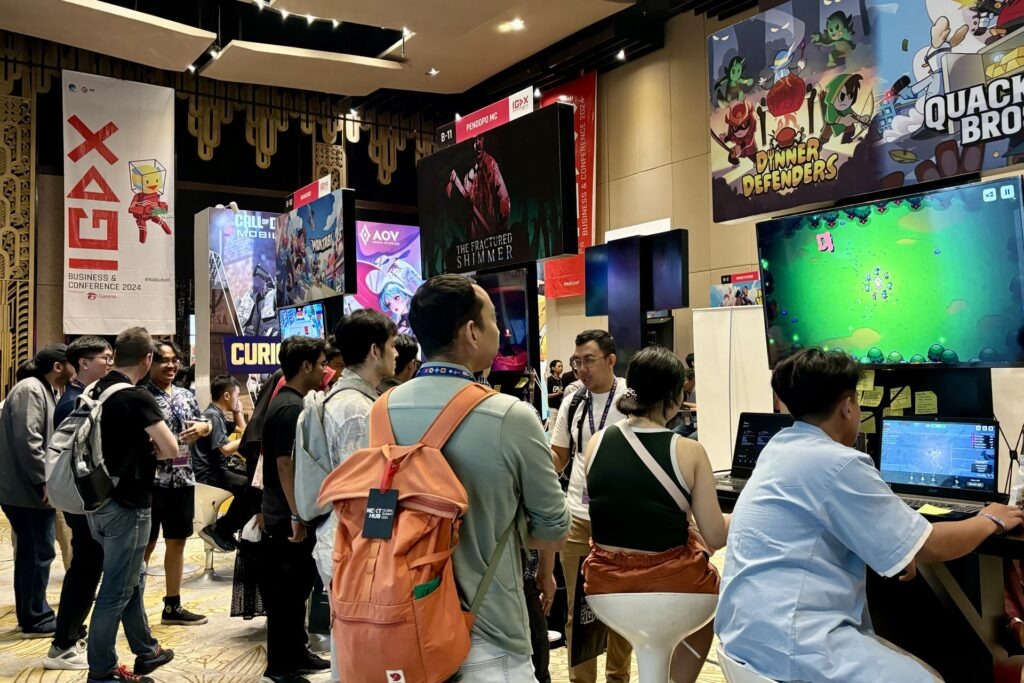
The Southeast Asian gaming market continues to offer immense opportunities, yet chasing download numbers alone is becoming increasingly insufficient. Data from the 2026 Southeast Asia Mobile Game Marketing Report shows that some markets have seen downloads decline even as revenue continues to climb, signaling that publishers need to rethink how they measure growth and plan expansion.
Gaming trends 2027 will be shaped by player behavior, intensifying user acquisition competition, evolving payment methods, and regulatory developments. Rather than relying solely on global predictions, publishers should look at shifts already emerging across Southeast Asia between 2025 and 2026. Key developments to watch include a stronger focus on player value, more segmented platform and content strategies, diversified monetization models, more sophisticated live operations, and greater emphasis on localization and regulatory readiness.
The first shift publishers need to understand is how growth opportunities are measured within the Southeast Asian market.
Southeast Asia Gaming Market Trends: Growth Beyond Downloads
Southeast Asia’s large player base and download volume remain major attractions for publishers. However, installations alone do not determine market potential. The real question is whether publishers can turn new players into active, paying, and long-term users.
According to the 2026 SocialPeta–Gamota report, Vietnam recorded 76.5 million mobile game downloads in the first half of 2026, down 9.7% year over year, while revenue reached $177 million, up 7.5%. The gap shows that fewer new installs can still produce stronger commercial results.
This makes player value more important than acquisition volume. Alongside CPI, publishers should evaluate retention, conversion, average revenue per paying user (ARPPU), and lifetime value (LTV). Market maturity also differs across countries.Indonesia offers significant player scale, while Thailand, Malaysia, and Singapore present different monetization opportunities and payer characteristics.
As a result, publishers should avoid using population size or download volume as their only expansion criteria. A more selective approach considers genre fit, target audience, purchasing power, competition, and distribution readiness in each market.
Having understood that each market possesses unique potential, publishers must next determine which game types, platforms, and gameplay experiences best match the players in those regions.
Mobile Gaming Trends in Southeast Asia: What Publishers Should Prioritize

Mobile remains a crucial platform for the Southeast Asian gaming industry, with the e-Conomy SEA 2025 report showing that ASEAN-10 accounted for 6% of global mobile game downloads in 2025. However, the gaming trends 2027 suggest that publishers need more flexible strategies that account for device limitations, local gaming habits, genre preferences, and evolving player expectations.
A mobile-first approach does not mean mobile-only. Publishers should recognize the growing relevance of PC and console audiences while selecting genres based on demand in each country. They must also prioritize accessible experiences by optimizing game sizes, ensuring performance on entry-level and mid-range devices, and considering internet connectivity. Meanwhile, cross-platform expansion should be evaluated against development costs, target audiences, and revenue potential.
Beyond the gaming experience itself, publishers should also pay attention to how players discover new titles. Short-form videos, livestreams, and gaming content creators increasingly influence game discovery, making content-driven promotion an important part of reaching potential players.
Selecting the right platform and genre is only the first step. Publishers must also ensure that their business models align with the transactional habits of players in each specific market.
Game Monetization Trends 2027: Beyond In-App Purchases
Free-to-play and in-app purchases remain essential to mobile gaming, but the game monetization trends 2027 point toward more diverse revenue strategies. Publishers need to consider localized payment methods, alternative distribution channels, and differences in purchasing power across Southeast Asian markets.
Integrating familiar payment options, such as digital wallets, local bank transfers, and regional payment solutions, can make transactions more accessible. Meanwhile, out-of-app payments offer additional revenue opportunities. Niko Partners and Coda reported that out-of-app monetization accounted for 38% of mobile game revenue in Southeast Asia in 2024, up from 21% in 2022. This highlights the growing role of alternative distribution and payment channels in the region.
Publishers should also explore flexible monetization models, combining in-app purchases, advertising, subscriptions, battle passes, and premium content according to each game’s audience and genre. Regional pricing should reflect local purchasing power and spending habits rather than relying on direct currency conversion. Throughout these strategies, transparent pricing and user-friendly transactions remain essential to maintaining player trust.
Effective monetization does not rely solely on payment systems. Publishers must also provide compelling reasons for players to return after their initial experience with the game.
Live Operations and Community Building: Turning Players into Long-Term Audiences

As competition for players intensifies, publishers cannot rely on launch campaigns alone to sustain engagement. Live operations (LiveOps), community building, and continuous content updates are essential for maintaining player interest and extending a game’s lifecycle.
Recurring events, seasonal content, limited-time activities, and behavior-based updates can encourage players to return. Publishers should also build communities through social media, forums, and in-game activities while partnering with local creators and influencers to reach relevant audiences. Depending on the game’s genre and popularity, tournaments, community competitions, and esports collaborations can further strengthen engagement. Meanwhile, player activity data helps publishers measure event performance, identify potential churn, and plan updates that improve retention.
However, LiveOps and community strategies will not be effective if publishers apply a one-size-fits-all approach across Southeast Asia. Successful regional execution requires a deeper understanding of each market and its local characteristics.
Game Publishing Opportunities in Southeast Asia: Localization, AI, and Market Readiness
Publishing opportunities in Southeast Asia depend on more than game quality. The gaming trends 2027 highlight the importance of adapting communication, content, operations, and market-entry strategies to local conditions. Differences in language, regulations, and distribution ecosystems make regional readiness essential for successful expansion.
Market-specific localization should go beyond direct translation by adapting humor, characters, promotional materials, and in-game content to each country’s cultural context. AI can support market research, marketing production, customer service, and operational workflows, but human review remains essential for accuracy and quality.
Publishers should also consider local partnerships with distributors, payment providers, and gaming communities while monitoring regulations covering age ratings, child protection, data privacy, payments, and distribution. Launch priorities should reflect product readiness, market potential, operational costs, and local team capabilities.
How Game Publishers Can Prepare for 2027
Publishers should begin by auditing retention, monetization, and acquisition performance across individual markets. They should prioritize countries based on product-market fit rather than population size, evaluate localization and payment requirements before launch, and prepare market-specific LiveOps and community strategies. Regularly monitoring regulatory changes and using player data to refine decisions will also support sustainable growth throughout 2027.
Ultimately, publishers do not need to pursue every trend simultaneously. The priority should be to select the shifts most relevant to their specific product, target audience, and business capabilities.
Conclusion: Preparing for the Next Phase of Southeast Asia’s Gaming Market
Gaming trends 2027 go beyond identifying popular genres or platforms. Publishers must understand changing player behaviors, market values, monetization models, and operational challenges across Southeast Asia. Sustainable growth will increasingly depend on player retention and long-term revenue rather than download numbers alone.
The regional gaming landscape is also becoming more complex. Mobile gaming continues to shape market growth, monetization models are evolving to accommodate different purchasing behaviors, and LiveOps and community engagement are becoming increasingly important to long-term player retention. These developments highlight the need for publishers to move beyond one-size-fits-all strategies and adapt their approaches to the characteristics of each market.
As Southeast Asia’s gaming market continues to evolve, publishers need to ensure their games are ready to meet different player expectations across the region. SpeeQual Games supports game developers through localization, cultural adaptation, and LQA services to help deliver engaging and market-ready gaming experiences.Partner with SpeeQual Games to prepare your game for regional growth.