First impressions can significantly impact a game’s global launch. Even with beautiful visuals and fascinating characters, poor localization can leave players confused, disconnected, or frustrated. Awkward or inconsistent dialogue impairs storytelling, while cultural errors may lead to backlash and lower review scores.
Localization quality assurance (LQA) helps prevent these issues before they occur by testing localized material in real gameplay. From character dialogue to UI text to cultural accuracy and visual presentation, LQA ensures that every aspect feels natural to players in all markets.
Investing in LQA protects your game’s reputation while fostering trust among foreign audiences. Read the full article to find out how LQA can help you accomplish a flawless global game launch.
How Poor Localization Ruins Your Game Character Design and Visual Assets
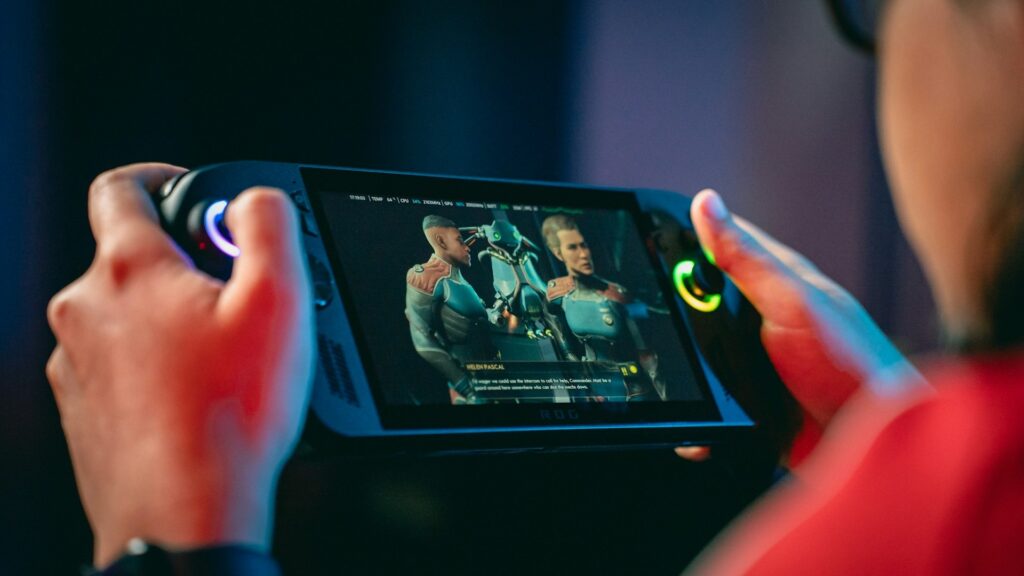
A game character is more than a well-designed model, a distinctive wardrobe, or an impressive visual style. Every feature, including face expressions and animations, character menus, statistic screens, and dialogue boxes, contributes to the character’s identity. Even the most powerful character designs might lose their impact if the translated strings fail to capture the original vision.
Developers frequently build character menus and user interfaces with a specific language in mind, but translated text might disrupt the overall visual balance. A brief English ability description can become significantly longer in another language, resulting in text overflow, broken layouts, and misinformation. These issues can make a polished game feel sloppy, reducing player trust.
The exact same difficulty applies to dialogue boxes. A character’s voice is determined by more than just the line’s words. Word choice, phrase structure, humour, and emotional tone all influence a character’s personality. A direct translation may be technically correct, yet it fails to convey the character’s intended behaviour.
A successful character design is not finished when the model is completed. Everything players interact with, including pictures, animations, menus, and dialogue, must properly express the character’s message. Localization is the bridge that allows players from different regions to comprehend and connect with a character.
Poor localization may leave a beautifully designed character feeling empty, inconsistent, or completely different from the creator’s original idea. By considering narrative adaptation as an integral element of game development and employing LQA to preserve quality, developers can ensure that every character feels authentic in every market.
The Financial Impact of an LQA Validation Failure in the Game Industry
When a release is delayed due to mistranslated dialogue, broken UI text, or cultural adaptation challenges, the cost effect is significantly higher than just changing a few lines of text. Marketing campaigns may need to be rescheduled, launch events postponed, and development teams pulled away from future projects to address pressing issues.
The most common mistake made by studios is presuming that fixing localization mistakes after release is affordable. In reality, problems become far more expensive once players have downloaded the game. Developers must investigate reports, prepare patches, retest multiple language versions, submit updates for platform approval, and respond to player complaints.
Previous research in software engineering has shown that the later defects are identified, the more expensive they are to repair. According to research from IBM’s Systems Sciences Institute, fixing defects in production can cost up to 100 times more than resolving them in the early phases of development, although the precise multiplier varies for each project.
Players rarely separate localization quality from overall game quality. Reviews on gaming platforms like Steam frequently note awkward dialogue, inconsistent terminology, and poor translations in addition to gameplay criticisms.
A recent example is Hollow Knight: Silksong, where criticism of the Simplified Chinese adaptation resulted in a number of unfavorable Steam ratings from Chinese players. Many players felt that the translation altered the tone of the dialogue and damaged the character personalities.
The backlash significantly lowered the game’s overall Steam rating, despite considerable appreciation for its gameplay, proving how bad localization can have a direct impact on player satisfaction, public reviews, and a studio’s image in competitive overseas markets.
Implementing Rigorous LQA Standards to Protect Character Integrity

Many localization issues develop long before linguists draft the first sentence. Without clear guidelines, even experienced linguists may fail to understand a character’s personality, the function of a UI element, or a target audience’s cultural expectations.
That is why modern LQA encompasses much more than just proofreading. It involves a comprehensive review of language, functionality, user experience, and cultural compatibility to ensure that each localized version delivers the same quality as the original game.
A rigorous LQA process also ensures that translated text functions properly within the game. Localization affects character customization menus, inventory displays, dynamic dialogue boxes, and player name input systems.
Before starting translation, studios should establish glossaries, style guidelines, character profiles, user interface limits, placeholder rules, and localization workflows. They should also set clear guidelines for dealing with humor, cultural allusions, sensitive issues, and regional terminology.
A proactive workflow results in fewer revisions, faster localization cycles, and a more polished global release. Most importantly, it secures each character’s identity and ensures the game’s quality across all languages.
SpeeQual Games can help your studio prepare for an international launch by providing expert game localization and QA testing at every stage of the process. From technical validation to cultural adaptation, SpeeQual Games assists developers in delivering localized games that are relevant, captivating, and ready for worldwide success.
The Human Element: The Role of the LQA Tester
Many studios consider LQA to be the final stage before release, yet the most successful global launches regard it as a continuous quality process. Professional LQA testers examine each piece of text in its actual gameplay context, detecting UI overlap, awkward dialogue, broken placeholders, inconsistent character personalities, and culturally sensitive content that automated systems cannot comprehend.
While automation is good at identifying spelling, formatting, and grammar errors, it cannot understand emotion, humor, narrative intent, or player expectations. Native-speaker LQA testers provide the human judgement required to ensure that each localized version feels genuine.
A systematic LQA audit conducted throughout development allows teams to identify localization errors before they become costly release obstacles. Regular audits decrease risk and increase consistency across all languages by evaluating new content, validating previous revisions, and ensuring that updates are not bringing new issues.
Conclusion: Flawless Launches Require Smart Localization Management
The most successful worldwide games are not just translated; they are carefully localized, tested, and polished for each target audience. From preserving character personalities and preventing UI issues to avoiding cultural misunderstandings and costly post-launch repairs, each aspect of the localization process contributes to the overall player experience.
A rigorous LQA workflow ensures that each language version delivers the same quality, emotion, and immersion as the original game. By planning localization early, conducting regular LQA audits, and evaluating content in its actual gameplay context, studios may avoid costly revisions while delivering a polished experience to players globally.
Ultimately, game characters drive player loyalty, community engagement, and long-term success. Protecting them entails incorporating LQA management into all stages of development.