
Established games are still growing. Tencent’s third-quarter 2026 report showed that Delta Force reached an all-time high in daily active users (DAU), demonstrating how established live-service games can continue growing beyond their initial launch period.
Esports is also becoming a longer-term investment, with Honor of Kings launching its 2027 partnership program across Indonesia, the Philippines, and Malaysia. Meanwhile, Vietnam’s shooter market grew rapidly in the first half of 2026, with downloads up 181% year-on-year and revenue up 579.4%, while Free Fire MAX recorded 8.08 million downloads and US$16.7 million in revenue.
Together, these developments show that game trends 2027 will extend beyond new releases. Community building, esports, ongoing content, genre growth, and localization will increasingly shape how games remain relevant. By examining Honor of Kings, Free Fire, and Delta Force, this article explores what these shifts mean for Southeast Asian publishers.
To understand why these three games remain so relevant, we must first examine the shifts currently taking place within the Southeast Asian gaming market.
Game Trends in Southeast Asia 2027: From Player Acquisition to Long-Term Engagement
For game trends in Southeast Asia 2027, downloads and audience size alone are no longer enough to measure market growth. Publishers must also focus on player retention, monetization, and community engagement.
Southeast Asia’s mobile game market is becoming more competitive. SocialPeta and Gamota’s 2026 data shows that downloads declined in several markets while revenue continued to grow, highlighting the importance of acquisition quality and player value. This makes long-term engagement increasingly important. Regular updates, seasonal content, events, and progression systems can give players reasons to keep returning. The e-Conomy SEA 2025 report also found that average weekly playtime in Southeast Asia increased 53% year-on-year, with established titles such as Free Fire maintaining strong engagement.
Esports and community ecosystems can further strengthen a game’s visibility. Tournaments, creators, fan communities, and local events can work together to sustain player interest, as demonstrated by Honor of Kings’ 2027 esports partnership program.
Genre opportunities are also shifting. Vietnam’s H1 2026 data shows sports simulation downloads grew 242.2% year-on-year, while shooters grew 181%. Shooter game revenue increased by 579.4% year-on-year, highlighting the need for publishers to monitor genre-level demand and monetization opportunities across individual markets. Localization should likewise go beyond language, adapting events, marketing creatives, community communication, payment methods, and in-game content to the cultural expectations and player behavior of each local market.
These shifts become more tangible when comparing three games with distinct approaches to building their player bases and communities. Honor of Kings, for example, demonstrates how esports can support market expansion.
Honor of Kings Esports Strategy in Southeast Asia: Building a Regional Ecosystem
Honor of Kings shows that expanding a competitive game in Southeast Asia requires more than launching the product. Local leagues, esports organizations, grassroots competitions, and communities can help create a sustainable ecosystem around the game.
Its regional structure includes the Indonesia Kings League, Malaysia Kings League, and Philippine Kings League, giving players and teams country-specific competitive platforms. The 2027 Team Partner Program expands this approach by seeking organizations with strong fan bases, brand presence, and the ability to operate teams sustainably, not simply compete in tournaments.
The ecosystem also reaches beyond professional leagues. The HOK Campus Series (KCS) 2026 across Indonesia, Malaysia, and the Philippines provides grassroots and student competition, creating additional entry points for players and communities. This shows that publishers do not need to build a professional league from scratch for every title. Competitions, creators, campus programs, and localized community activities can all give players reasons to stay engaged. These initiatives also show how publishers can use campus competitions and grassroots activities to develop local talent and strengthen a game’s presence among younger player communities.
For publishers, the key is long-term investment. Local talent, communication, events, and content should reflect each market rather than follow a single regional approach.
While Honor of Kings illustrates the value of a competitive ecosystem, Free Fire offers a different approach, sustaining engagement through community building, diverse competition formats, and active live operations.
Free Fire Community and Live Operations Strategy: Keeping Players Engaged
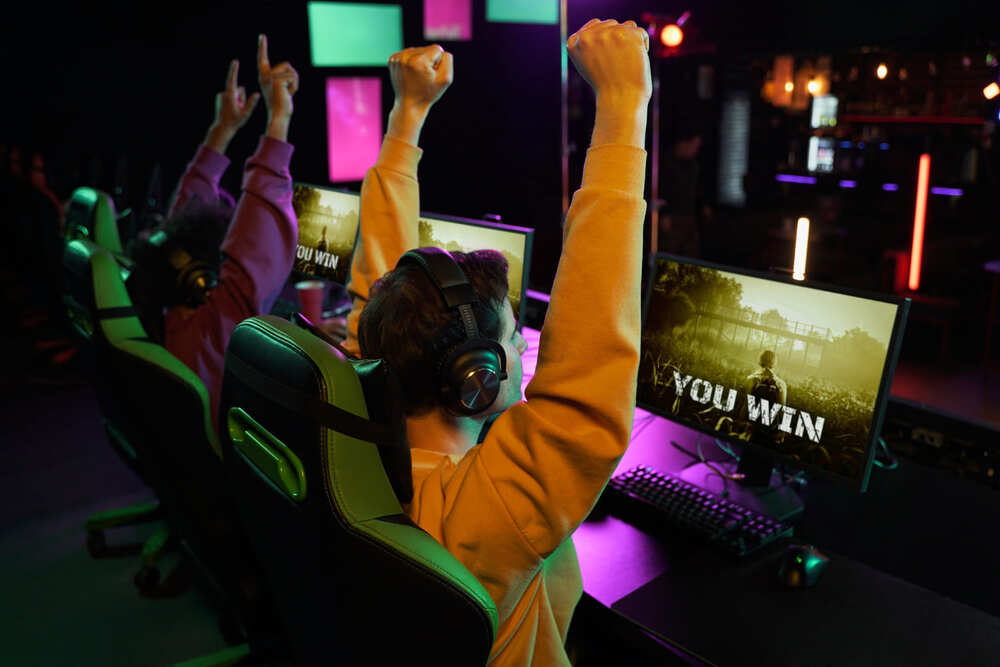
Free Fire shows how year-round content and competition can sustain player engagement beyond major launches. Garena’s 2026 esports roadmap includes FFWS SEA Spring and Fall, a standalone Clash Squad tournament, the Esports World Cup, and the FFWS Global Finals, creating a continuous cycle of competitive activities throughout the year. Local influencers and creator collaborations can further extend these activities beyond the game itself, while communication in local languages helps maintain stronger connections with players in different markets.
The FFWS Global Finals is also expanding from 18 to 24 teams in 2026, while Clash Squad provides an alternative competitive format. Seasonal updates, limited-time events, rewards, regional tournaments, and creator activities give players additional reasons to return.
The takeaway for publishers is that even large player bases require ongoing innovation. Combining multiple competitive formats with localized community activities can help maintain engagement rather than relying on a single tournament or game mode.
Meanwhile, Delta Force presents a different approach, combining a cross-platform shooter experience with multiple game modes and a content roadmap extending through 2027.
Delta Force Cross-Platform Gaming Trends: The Opportunity Beyond Mobile
Delta Force reflects an important game trends 2027 opportunity: allowing players to access their game progress across PC and mobile through cross-progression. This improves accessibility but also requires publishers to balance controls, performance, and gameplay across devices.
Its multiple modes also broaden the player experience. Operations and Warfare offer distinct gameplay styles, while the addition of Detonation further expands competitive options. In September 2026, the roadmap introduced Detonation for both PC and mobile, alongside new maps planned for early 2027.
The game’s development also extends beyond launch. Its 2027 plans include new maps, technical improvements, social features, and character development, while the growing RISE Series points toward a broader competitive ecosystem.
Garena reported more than 25 million pre-registrations for Delta Force Mobile before its April 2025 launch. However, pre-registration indicates initial interest, not long-term success. Publishers must still focus on retention, monetization, technical stability, and sustained content. The key lesson is that cross-platform publishing requires more than device availability, it requires a consistent, high-quality experience across platforms.
While these three case studies demonstrate different approaches, publishers can derive broader lessons to help define product priorities and expansion strategies for 2027.
Game Publishing Opportunities in Southeast Asia 2027: What Publishers Should Prepare For

Honor of Kings, Free Fire, and Delta Force use different strategies, but they highlight common priorities for Southeast Asian publishers in game trends 2027. Growth will depend on more than launch downloads; publishers need sustainable engagement, local communities, flexible platforms, and market-specific strategies.
Publishers should invest in live operations, seasonal content, community activities, and local partnerships with esports organizations and creators. They should also evaluate PC and cross-platform opportunities alongside mobile, while adapting pricing and payment methods to each market.
Localization should be part of the product strategy, covering UI, dialogue, events, marketing, community communication, and player support. Performance should be measured through retention, conversion, revenue, engagement, and player feedback, not downloads alone.
How Game Publishers Can Prepare for 2027
- Identify promising genres, platforms, and priority markets.
- Build live operations and community plans before launch.
- Prepare market-specific localization and LQA strategies.
- Build local partnerships for distribution, marketing, esports, and player support.
- Set KPIs focused on long-term retention, revenue, and engagement.
- Prioritize target countries based on market size, player behavior, and monetization potential.
These three games show that success depends not only on initial product appeal but also on building relevant experiences and lasting player relationships; key factors for competitiveness in 2027.
Conclusion: Preparing for Southeast Asia’s Gaming Market in 2027
The game trends 2027 highlighted by Honor of Kings, Free Fire, and Delta Force point to three different priorities: building an esports ecosystem, sustaining engagement through live operations and communities, and expanding through cross-platform development. However, none provides a universal formula. Publishers must adapt their strategies to each game’s genre, target audience, and market conditions.
Success in Southeast Asia requires more than a strong product. Publishers need market research, localized monetization, cultural adaptation, and long-term player engagement strategies tailored to individual countries. For publishers preparing to enter or expand across the region, SpeeQual Games can support game localization, cultural adaptation, and LQA to help create relevant, high-quality experiences for players across Southeast Asia.