
The same game price does not always have the same appeal in every country. Steam, for example, displays prices in IDR, MYR, PHP, SGD, THB, and VND. The platform also considers purchasing power and comparable entertainment prices, showing that regional pricing requires more than currency conversion.
Black Friday game deals give publishers a chance to boost sales through discounts and promotions. But in Southeast Asia, success depends on more than discount size. Local currencies, pricing expectations, consumer habits, and storefront experiences all shape how players respond.
Before setting discounts, publishers need to understand why the same promotional strategy may not work across the SEA market.
Why Black Friday Game Promotions Need a Market-by-Market Strategy in SEA
Maximizing Black Friday game deals across Southeast Asia requires a market-by-market approach. Player spending and monetization differ across countries, with players in markets such as Singapore showing higher willingness to pay, while Vietnam relies more heavily on advertising-based monetization. Platform preferences also vary: mobile dominates the region, while PC gaming has a strong presence through platforms such as Steam and console remains a smaller segment. Payment localization matters too, with 35% of Southeast Asian gamers ranking localized payment options among the top three forms of game localization. Publishers must therefore consider country-level spending behavior, platform reach, payment preferences, and promotional timing. This is particularly important because Southeast Asian shoppers are highly accustomed to regional sale events: 9.9 and 12.12 generated much larger sales spikes than Black Friday in 2025.
Once priority markets have been identified, the next step is to set promotional pricing tailored to the specific conditions of each country.
Regional Pricing Strategy for Video Games: Beyond Currency Conversion
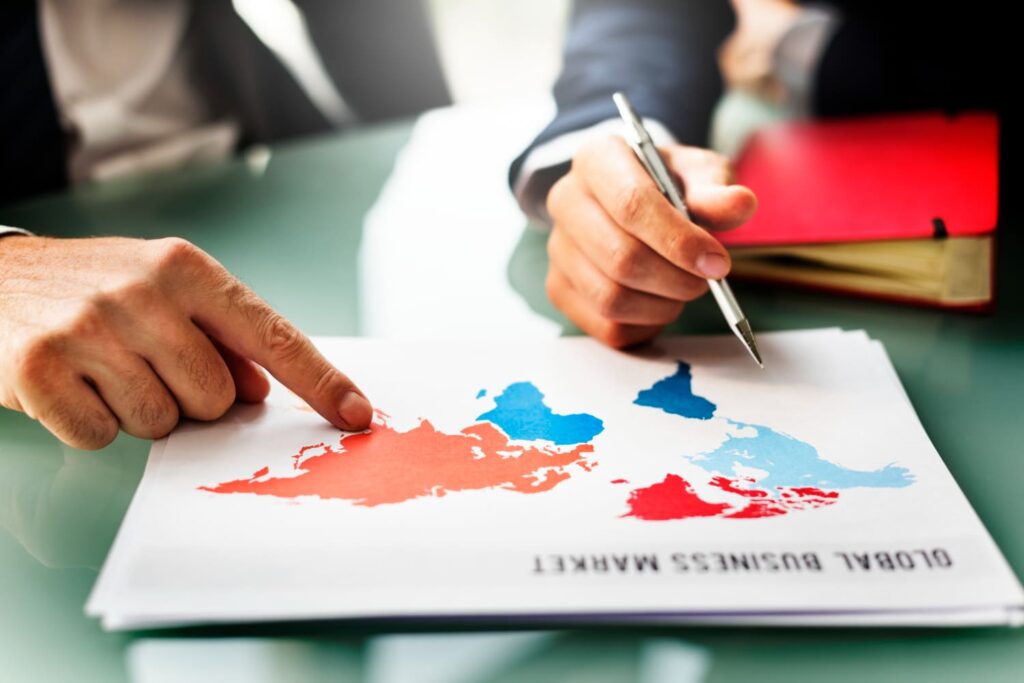
Rather than applying a blanket discount offer globally, publishers should calculate discounts from localized base prices. Storefront recommendations serve as useful benchmarks, but strategies must adjust for platform-specific mechanics across PC and mobile storefronts like Steam, Google Play, and the Apple App Store.
How to Set Game Prices for Different Countries
To build a sustainable regional pricing strategy, publishers should consider several factors before launching Black Friday promotions.
- Set a base price: Align it with the game’s positioning and monetization strategy.
- Check platform recommendations: Use regional pricing suggestions as a reference. For example, Steam offers models based on exchange rates, purchasing power, or multi-variable metrics, while Google Play and the App Store provide their own regional pricing and adjustment tools.
- Consider local conditions: Adjust prices based on purchasing power and competitor pricing.
- Calculate net revenue: Account for taxes and platform fees.
- Review campaign results: Evaluate sales performance to keep future discounts sustainable.
Once prices have been adjusted regionally, they must be displayed clearly so that players can understand the value of the offer without any confusion.
Local Currency Display for Video Games: Making Prices Clear to Players
Displaying prices in local currencies makes Black Friday game deals easier for players to understand and compare. Publishers should follow familiar currency conventions, such as Rp for Indonesia, RM for Malaysia, ฿ for Thailand, and ₱ for the Philippines, while avoiding ambiguous symbols like “$” without a currency code. Steam’s regional pricing documentation supports this approach, highlighting the benefits of displaying prices in players’ local currencies.
However, displaying prices in local currencies is only the first step. Publishers must also consider local purchasing power when determining whether a discounted game is genuinely affordable in each market. A price that seems attractive in one country may still feel expensive in another, even after applying the same discount percentage. Perceived value also plays a role, as players may be more willing to pay a higher price for an established AAA title than for an unfamiliar indie game. This means regional pricing strategies should account for both local affordability and the perceived value of individual games, rather than relying solely on currency conversion or uniform discount rates.
Promotional listings should also clearly communicate the original price, discounted price, and percentage saved so players can quickly evaluate each offer. Publishers must maintain consistent pricing information across promotional campaigns, digital storefronts, and checkout pages. Platform requirements also deserve attention. According to Google Play’s pricing documentation, local prices can account for exchange rates and country-specific pricing patterns, while Apple’s App Store Connect considers exchange rates, taxes, and regional pricing conventions when generating prices for different storefronts. Reviewing these requirements helps publishers avoid pricing inconsistencies and deliver a smoother purchasing experience across Southeast Asia.
Beyond pricing and currency, the Black Friday experience is also shaped by how promotional information is presented across the storefront.
Game Store Localization for Southeast Asian Markets

A game storefront is a key marketing channel for attracting potential buyers. For Southeast Asian markets, publishers should localize game descriptions, key features, promotional headlines, discount messages, and CTAs into the target language. Steamworks supports localized store descriptions, images, and trailers, while Microsoft emphasizes that a game’s marketing materials, webpage, and other supporting content should maintain the same style and register as the game itself to preserve players’ immersion.
Promotional assets, including banners, screenshots, and videos, should also feature localized text and culturally appropriate messaging. Publishers must follow platform-specific requirements for image formats, character limits, and storefront content. For example, Google Play recommends localizing graphic text and adapting store listings to different markets. Keeping promotional messages consistent across storefronts, websites, and social media also helps deliver a unified brand experience.
How to Localize Game Promotions for Different Markets
Localizing game promotions requires more than literal translation. Publishers should focus on transcreation, adapting campaign messages to preserve their meaning and appeal in each market. CTAs and promotional language should reflect local communication habits and expectations.
It is also important to check campaign dates, start times, durations, and deadlines according to each market’s time zone. Banners and other visual assets must display the same prices and discounts as the actual storefront. Finally, native linguists should review the content to ensure its naturalness, cultural relevance, and clarity.
Once pricing and storefronts have been localized, publishers must ensure that all campaign elements remain consistent throughout the Black Friday period.
Black Friday Game Publishing Strategies in Southeast Asia: From Preparation to Performance
Publishers need to manage every stage of the campaign to ensure regional pricing and store localization translate into sales. This process starts with defining target markets, campaign objectives, discount structures, and promotional timelines.
Before launch, publishers should validate local prices, currency displays, discounts, store assets, and product availability in each country. They should also coordinate promotions across storefronts, social media, email marketing, and advertising channels to maintain consistent messaging.
During the campaign, publishers can monitor impressions, store visits, conversion rates, units sold, and revenue by country. After Black Friday promotions, comparing results across markets helps identify which pricing and localization strategies worked best and where future campaigns can improve.
Black Friday is not just about offering deep discounts; it is about ensuring that every market receives relevant offers and a clear, seamless purchasing experience.
Conclusion: Building a Localized Black Friday Strategy for Game Publishers in SEA
Black Friday game deals in Southeast Asia require more than attractive discounts. Publishers need a regional approach to pricing, currency display, and storefront localization that reflects each market’s purchasing power, platform preferences, and player expectations. Applying identical discounts and promotional materials across all countries may overlook important local differences.
Publishers should also consider Black Friday’s cultural context. Since it is a shopping tradition rooted in Western markets, the event may not carry the same significance for players across Southeast Asia. Rather than relying solely on Black Friday, publishers can adapt their promotional calendars to local shopping moments and cultural celebrations, such as Tet in Vietnam or Ramadan and Hari Raya in Indonesia and Malaysia. These occasions can offer more familiar opportunities to connect with local audiences through relevant discounts and campaigns. As explored in our articles on regional pricing and seasonal promotions and marketing localization through cultural references, aligning promotions with local calendars can help make campaigns feel more relevant to players.
By adapting pricing and marketing strategies to each market, publishers can create more relevant promotions, improve the purchasing experience, and increase conversion opportunities. With the right localization strategy, SpeeQual Games can help publishers reach international audiences through professional website localization, game localization, and marketing services.