Two of the most loved heroes in Mobile Legends: Bang Bang do not draw from the Western mythology typical of the genre. Gatotkaca and Kadita were built from Indonesian folklore, proving that local players respond far more intensely to stories rooted in their heritage. For narrative-heavy genres like adventure RPGs, this player connection reveals a principle development teams cannot afford to ignore.
Because Indonesia is a diverse archipelago with distinct regional mythologies, narrative localization requires more than direct dialogue translation. It demands a deliberate framework: knowing when a cultural reference should remain untouched, when it needs contextual explanation, and when it requires local adaptation. Making the right distinction determines whether a world feels authentically grounded for a randomly assembled local player.
Why Indonesia Is a Uniquely Rich, and Uniquely Complex, Narrative Context
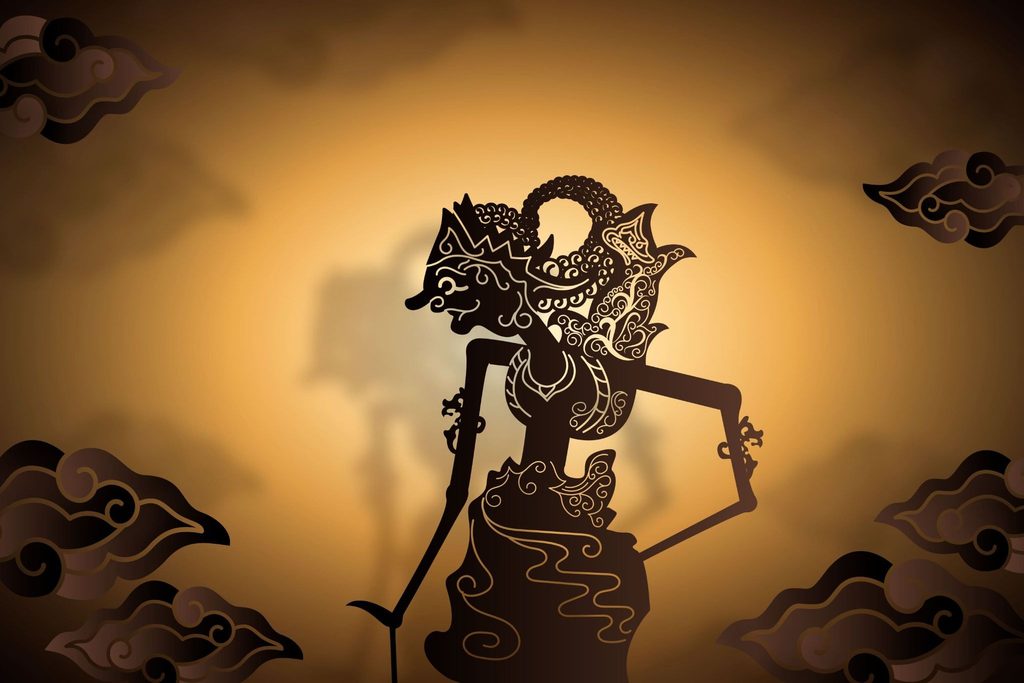
Indonesia’s mythology is not a single tradition but a vast collection of regional ones. Wayang Kulit shadow puppetry alone carries centuries of mythological themes and moral dualities that have already found new life in Indonesian game design. That research also points to a consistent pattern: a story rooted in one region’s cosmology rarely maps cleanly onto another’s.
Because of this diversity, developers cannot rely on a single, generalized reference point for “Indonesian culture.” Javanese, Balinese, Sundanese, and other regional traditions each possess distinct characters, mythos, and tone. Treating these traditions as interchangeable is a misstep, one that makes a localized narrative feel hollow and unfamiliar to the very audience it was written to engage.
The Localization Techniques That Keep Cultural Elements Authentic
Academic research into the localization of the Indonesian horror games DreadOut 2 and Pamali identified a working set of techniques for handling cultural content. These include foreignization (keeping a cultural reference intact while supplying enough context), retention paired with explanation (preserving a specific term while briefly clarifying it), and transcreation (rebuilding a local idiom around its emotional core rather than translating word-for-word). Ultimately, the study found that transcreation proved most effective for preserving cultural identity, while domestication and literal translation tended to prioritize basic accessibility instead.
However, for purely functional content, such as navigation prompts, menu labels, and system messages, literal translation was the better fit. Clarity matters far more than cultural nuance in the parts of a game that do not touch the core narrative. The pattern that emerges is not about picking a single approach and applying it everywhere. It is about matching each type of content; narrative dialogue, cultural terminology, and functional text, to the technique it actually needs, a rule that holds just as true for adventure RPGs built around Indonesian folklore as it does for horror.
How This Shows Up in Practice Across the Genre
Mobile Legends: Bang Bang demonstrated the power of local mythology when it introduced Gatotkaca in 2017, followed a year later by Kadita, a hero drawn directly from the legend of Nyi Roro Kidul. As a visual ethnography study in Jurnal Desain noted, Kadita retains enough of her traditional visual identity for Indonesian players to recognize her as distinctly local, even while incorporating modern MOBA design elements.
Other genres have taken worldbuilding even further. The casual simulator Fantasy Town incorporates real-world landmarks like the Borobudur temple alongside folklore figures like Kabayan and Nyi Iteung wearing traditional West Javanese attire.
Meanwhile, Ghost Parade reimagined that same folklore for a global audience. Developer Lentera Nusantara drew every companion spirit from Indonesian mythology but deliberately traded traditional horror tropes for a gentler, more approachable tone. This tonal shift allowed them to make local folklore accessible to international players without diluting its cultural roots.
What Localizing Storytelling for Indonesian Players Actually Requires
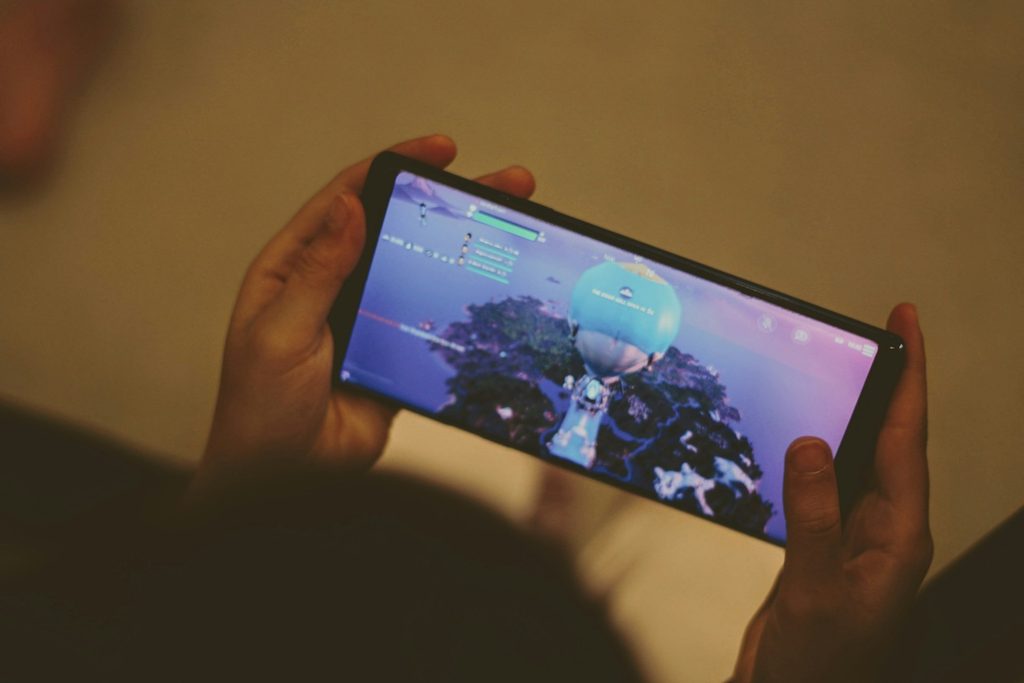
A practical starting point is auditing a game’s narrative elements, such as place names, creatures, and moral themes, to identify which components can draw from Indonesian folklore without disrupting the core story structure and which are better left universal to avoid a forced adaptation.
For elements selected for localization, the technique must match the narrative intent. Keep the original term with a brief explanation when the name itself carries thematic weight; adapt the term more fully when preserving its emotional core matters more than literal translation.
Given the depth of Indonesia’s regional diversity, developers must research the specific community a narrative element originates from rather than relying on a generalized concept of Indonesian culture. Conducting this process with care is what separates storytelling that respects cultural heritage from storytelling that merely borrows aesthetics.
Conclusion: Turning Folklore Into Storytelling That Feels Native
Gatotkaca and Kadita did not become two of Indonesia’s most recognized game heroes by accident. Their lasting popularity proves that Indonesian players respond strongly to narratives rooted in their own heritage.
Authentic narrative localization requires knowing when to preserve a cultural reference, when to provide context, and when to transcreate. Making those distinctions demands deep familiarity with regional mythology rather than superficial research.
SpeeQual Games helps publishers translate and transcreate the richness of Indonesian folklore into compelling adventure RPGs. Supported by a team with deep regional expertise, we ensure your narrative connects authentically with local players, delivering stories that feel genuinely respectful, never superficial.