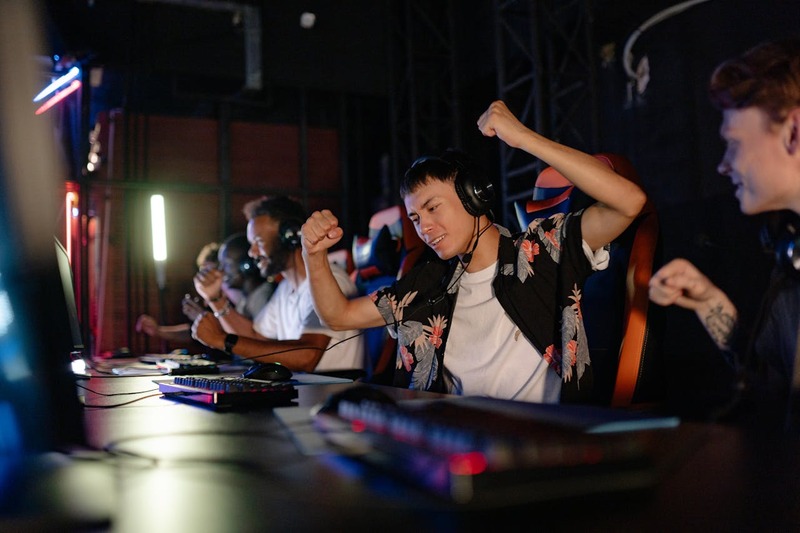
IIn the past, video games were often seen merely as entertainment or distraction. Today, gaming culture has spread across the world. But today, the culture of gaming has spread throughout the world. Almost every aspect of popular media has been influenced by the gaming industry, including music, fashion, and movies.
This shift represents more than just an increase in the number of gamers; it also involves games becoming a multifaceted expression of visual style, music, narrative, and social interaction. As game universes expand, the line between the virtual and real worlds blurs.
This evolution shows that games now shape popular culture rather than merely reflecting it. In this article, we will examine the emergence of gaming culture in popular media, its effects, and its prospects.
Inside Game Culture: How Games Became an Identity
Games, a crucial element of daily life, have developed into a platform for expressing and forming identities. The collective behaviors, norms, beliefs, and connections created by a global audience—who are part of a larger ecosystem—are referred to as “game culture.” The following key concepts highlight how games have evolved into a crucial component of modern social identity:
1. Identity Construction
With the ability to create immersive identities through characters or avatars, build social communities, and establish connections with other players through their in-game characters or avatars, video games have emerged as a significant framework for identity formation among players.
2. Building Online Community
The emergence of social media and online gaming platforms like Twitch, Nimo TV, and DLive has given gamers a place to express themselves and engage with people who share their interests, allowing them to build personas distinct from their real-life identities.
3. Cultural Legitimacy
Cultural appreciation for gaming has increased. Games are more than just entertainment; they are works of art, narrative medium, and cultural expression, as demonstrated by honors, scholarly research, and fan culture (cosplay, fan art, and mods).
4. Sociology Perspective
Gamer identity has been examined from a sociological perspective, emphasizing the various discourses surrounding what it means to be a gamer.
The Media Shift: How Games Conquered Mainstream Entertainment
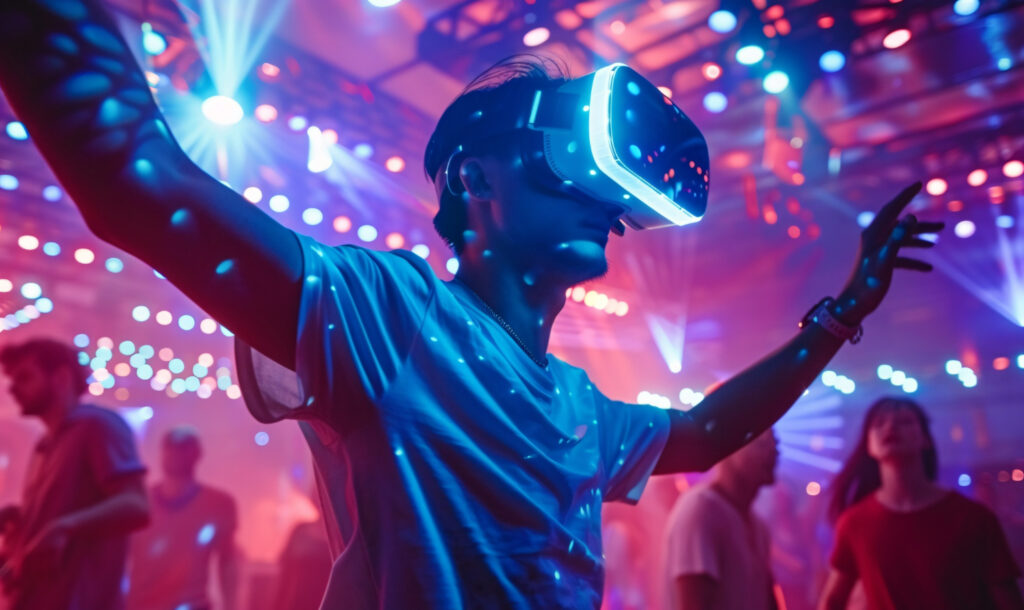
Source: Freepik.com
Over the last few decades, an increasing number of television series, films, musical acts, and fashion brands have adopted elements, aesthetics, and interactivity from video games in order to stay relevant, engage audiences, and revolutionize entertainment. Here are a few prominent examples from each mainstream media platform:
1. Film & TV
As you may have noticed, a lot of today’s popular TV shows and movies are video game adaptations. Beyond simple “adaptations,” series like Fallout or The Last of Us attempt to capture the same world-building, pacing, and visual aesthetics as the games.
In addition, interactive narratives like Black Mirror: Bandersnatch, which provide viewers with branching storylines and let them make choices that affect the plot, are another example of how the film industry is changing.
2. Music Industry
Top global performers like Travis Scott, Marshmello, Blackpink, and Lil Nas X have held concerts within gaming platforms like Fortnite, PUBG Mobile, and Roblox, demonstrating the growing popularity of virtual concerts.
These shows, which have drawn millions of audiences, show how gaming can serve as a digital platform for musicians to experiment with new immersive visuals. People can also experience live performances in the multiplayer concert simulator R.A.V.E. (Steam), where they can design their own set designs and lighting arrangements.
3. Fashion & Digital Style
Leading designer brands are collaborating with major gaming platforms to create virtual skins and apparel, including Gucci in The Sims 4, Dior in Gran Turismo 7, and Balenciaga x Fortnite.
Through these virtual items, players can express their identity within the game. Furthermore, these leading fashion brands are staging runway shows in online worlds and establishing branded virtual spaces where avatars can showcase designer clothing.
Power of Storytelling and Immersion
Video games have profoundly revolutionized the entertainment industry, becoming an effective medium for storytelling that competes with—and in many cases surpasses—the film industry in terms of emotional depth, immersion, and narrative complexity. Here’s why storytelling in modern games is so effective:
1. Interactivity Creates Deeper Emotional Resonance
Games have the ability to fully immerse players in the narrative, unlike movies where viewers are only passive observers. They have the ability to direct their characters, make significant decisions, and personally experience the consequences, which strengthens emotional ties.
Developers are able to fully develop each character’s emotions and immerse audiences into games like Life is Strange and Red Dead Redemption 2.
2. Player Choices and Branching Narratives
Branching storylines with different endings that are influenced by player choices are prevalent in modern video games. This develops a personal experience that movies just can’t match.
Player choices in Detroit: Become Human, for instance, impact the plot’s development, the ending, and the final fate of every character—adding a level of intricacy and replay-ability that can improve immersion.
3. Deeper Character Development
While video games can last 20 hours or more depending on playtime, a typical movie runs for about two hours. Richer character development, intricate subplots, and progressively shifting emotional arcs are made possible by the extended runtime.
4. More Immersive World-Building & Settings
The world-building and settings that are used in modern games enable players to get fully immersed in intricate environments, granting them the flexibility to explore, discover, and engage with the game’s setting as they feel fitting.
The Influence of Gaming Communities on Media Trends

Sourc: Freepik.com
The rise of video games in mainstream media is driven not only by their popularity, but also by the communities who surround them. Platforms such as Discord, Reddit, Twitch, and YouTube have revolutionized how audiences interact with content, giving creators and fans more influence and affecting how the world perceives gaming. Let’s explore how gaming communities shape trends and affect mainstream media narratives.
1. Gaming Personalities Creating New-Age Celebrities
Many Twitch and YouTube broadcasters have become famous, like CaseOh, Pokimane, PewDiePie, Ninja, and Kai Cenat. Unlike traditional celebrities, they connect directly with fans in real time, respond to chat comments, and even involve audiences in content decisions. This authenticity influences how businesses and marketers use audience engagement.
2. Content Creation and Memes Are Faster Than News
On social media, game content frequently dominates the trending. Lighthearted Discord memes or viral Twitch clips often spread faster than content from traditional media. The speed and virality of gaming communities often shape social media culture, sometimes even influencing global trends.
3. Redefining Gamer in Public Perspective
Gamers were viewed as isolated or antisocial individuals long before technology became widely accessible. They are now recognized as creators, entrepreneurs, and community leaders. With millions of people watching esports tournaments, gameplay broadcasts, or donation streams, gaming has evolved into a global cultural trend, altering what it means to be a gamer in society.
The Commercial and Cultural Impact
Currently, the gaming industry dominates not only commercially but also culturally, frequently outperforming other traditional creative industries such as film and music. In this part, we’ll look at how the gaming sector has revolutionized the global commercial and cultural marketplaces.
Commercial Powerhouse: The Market Growth of Gaming Industry
According to the PwC Global Entertainment and Media Outlook 22-26 report, the global gaming sector is expected to earn more than $321 billion by 2026, significantly above the combined revenues of the music and film industries. Through in-game purchases, downloadable content, and game sales, blockbuster titles like Call of Duty, Fortnite, and Genshin Impact can bring in billions of dollars every year.
The reason for this is that games appeal to a wider range of demographics. Today’s average player is from every region, ages, and genders. This accessibility outperforms film and music consumption, making the gaming industry one of the most diverse forms of entertainment media.
Cultural Impact: Games As a New Creative Frontier
Other creative fields, such as music and cinema, cannot compete with games in terms of a unique and immersive storytelling experience. Players can actively participate in narrative worlds, make decisions that influence the final result, and interact directly with the story line.
Furthermore, platforms such as Twitch, Discord, and YouTube allow the general public to develop dynamic communities that shape trends beyond the gaming world. Gaming culture has entered mainstream media, with viral game memes and collaborations in music and fashion. Even esports tournaments now rival traditional sports, with professional gamers becoming global icons.
What the Future Holds: The Next Evolution of Game Culture
The scope and depth of gaming culture keep growing as technology develops, becoming an influential force in modern digital society. We will explore the upcoming era of game culture, where interactive storytelling, AI-driven narratives, and the metaverse will transform the methods of how we play, interact, and innovate.
1. The Rise of Metaverse
We are seeing an evolution from solitary gaming experiences to a persistent shared virtual world, with platforms like Roblox, Fortnite, and Horizon Worlds (by Meta) making it harder to distinguish between virtual reality and real world. In the future, gamified environments may increasingly be used for business, education, fashion shows, and virtual concerts.
2. AI-Driven Narrative
Artificial intelligence will revolutionize game design and storytelling. Procedural content generation (PCG), voice synthesis, and responsive conversation systems are examples of artificial intelligence (AI) tools that will make gaming storylines more dynamic and personalized. AI tools will enable indie developers to build richer worlds with evolving NPC interactions, even on limited resources.
3. Game-Based Storytelling in Interactive Media
Although video games have already had a significant impact on film and television, this convergence is only the beginning. Interactive media formats—like the Bandersnatch series on Netflix—demonstrate how game mechanics are reshaping traditional narratives.
Conclusion: How Games Are Shaping the Digital Age
From mere entertainment, the gaming industry has evolved to become a major force in popular culture around the world. Games will continue to influence the entertainment landscape in innovative and surprising ways as they become increasingly integrated into daily life.
This trend encompasses the way we express our identities, create communities, and narrate stories. Understanding the emergence of this culture gives us the ability to predict the trajectory of entertainment and potential developments in today’s gaming industry.