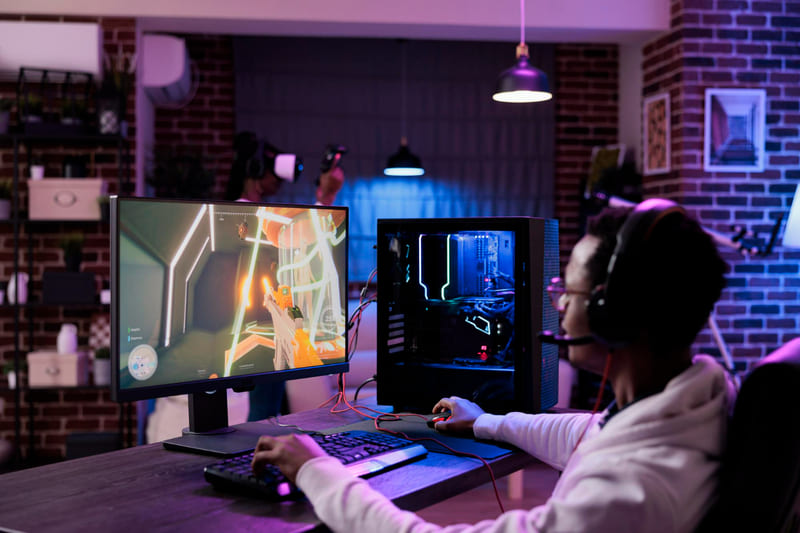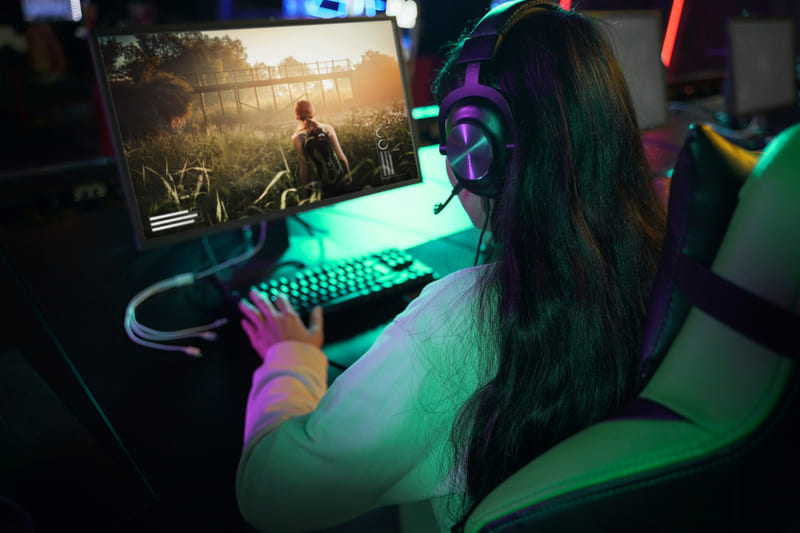
In 2026, many studios still measure a game’s quality primarily on its visuals, investing heavily in ultra-realistic graphics and environments. However, player retention is increasingly driven by how gameplay is experienced, rather than by visuals alone.
Most players spend more time listening to gaming sounds than actively looking at graphics. While visuals attract attention briefly, sound works at a subconscious level to impact emotions, focus, and comfort while playing.
Many studios perceive retention issues as purely gameplay-related, overlooking the role of audio design. However, bad audio design frequently results in ear fatigue or listening fatigue—a subtle exhaustion that causes gamers to lose connection without realizing it.
When noises are repetitious, muddy, or emotionally flat, gamers mentally turn out, resulting in shorter play sessions. On the other hand, high-quality and dynamic soundscapes sustain players’ emotional engagement and attention, increasing the likelihood that they will return.
Ready to look further into why gaming sound will reshape player retention strategies in 2026? Keep reading for valuable insights on how great audio design offers games a long-term advantage and what studios should focus on next.
In 2026, Players Don’t Just Hear Games — They Live Inside Them
In 2026, players don’t only hear games; they live inside them. Modern sound design does more than add background music; it creates immersive audio environments that naturally shape players’ emotions and engagement throughout the game.
Research shows that music and sound have a substantial impact on human emotions and cognition, including tension, excitement, focus, and problem-solving. Furthermore, the effects of auditory stimuli on human emotions and cognition are influenced by a variety of factors, including stimulus characteristics and individual differences in sound and music perception.
Players may now distinguish a game based on its sound signature, since distinct audio patterns and effects become as memorable—and important—as visual style and character design. Sound has become a form of auditory branding that gamers remember long after they finish playing.
Sound also affects whether a game session becomes exhausting or engaging. Subtle changes in sound intensity or adaptive music rhythms influence players’ emotions, making high-tension periods exciting and low-stress moments relaxing. Without well-crafted audio, games might feel bland or cognitively exhausting.
Retention increases if the audio feels familiar and natural to players’ auditory systems, decreasing cognitive strain and increasing presence in the game setting. In other words, audio not only improves immersion—it drives it.
Why Graphics Peak Fast but Sound Ages With the Player

Source: Freepik.com
Graphics may capture players’ interest at first, but sound is what keeps them coming back. High-resolution visuals and flashing effects add excitement to the first few hours of gameplay, but the visual novelty fades quickly. After a while, players begin to recognize familiar images, textures, and motion—and the excitement of the graphics fades.
On the other hand, sound still affects the player’s emotions during each game session. Long after the graphics cease shocking players’ attention, music, sound effects, and ambient audio continue to influence tension, comfort, focus, and memory in response to the game.
A further key difference between sound and visuals is how they influence players’ psychological well-being. Poorly designed graphics may be overlooked, but poor audio can cause cognitive fatigue without players realizing it.
Harsh sound effects, repetitious music, or poorly balanced audio can cause discomfort, stress, and distraction, making long play sessions feel exhausting. High-quality, realistic audio, on the other hand, can generate a comfort loop that calms players’ emotions, improves their focus, and fosters loyalty.
In 2026, long-session games will survive on sound quality rather than resolution. Games that invest in more comprehensive, adaptable, and player-centric audio systems create landscapes that feel alive. Sound not only improves the game; it also grows with the player, increasing emotional resonance and long-term retention.
Sound as Retention Infrastructure, Not a Creative Afterthought

Source: Freepik.com
Gaming sound is more than just a creative afterthought; it’s an essential component of retention infrastructure. Well-designed audio influences pacing, focus, and players’ tolerance for long sessions.
Adaptive audio systems may subtly influence players, extending engagement without them realizing it—and establishing a natural pace that keeps gameplay running seamlessly.
Voice lines, sound effects, and ambient noise all contribute to the overall experience of a game. These features establish the game’s rhythm, allowing players to remain engaged and emotionally connected over a longer session of gameplay.
Cultural familiarity also has a major impact. Sounds that reflect a player’s culture—whether through instruments, accents, or contextual cues—feel natural and intuitive. This is why audio localization matters: it ensures that a game’s language, cultural references, and sound cues feel authentic to local players.
SpeeQual Games collaborates with professionals who care about how players feel during each game session. By adapting voice, sound cues, and cultural nuances for each region, SpeeQual Games helps studios create games that sound familiar and comfortable to players worldwide.
The Retention Mistakes Studios Will Pay for in 2026
With the development of the gaming industry in 2026, retaining players is no longer simply about engaging mechanics or graphics—it is also heavily influenced by how sound and localized experiences combine.
Studios that fail to meet crucial audio and localization standards are experiencing shorter play sessions and low engagement. Here are the major retention mistakes that significantly damage studios.
- Using a single audio profile for all markets
A one-size-fits-all audio design might seem efficient, yet players in different locations respond to sound differently. Culture and language influence how gamers interpret music, effects, and dialogue. For example, certain regions enjoy subtle and nuanced audio, while others prefer more dramatic and intense soundscapes.
- Flat voice-overs that break immersion
Simply translating dialogue is not sufficient. Players may feel disconnected from the characters and storyline if voice acting feels awkward. Good audio localization enhances emotional engagement and assists in retention by matching local preferences in emotion, pace, tone, and style.
- Legal and system audio that pulls players out
System sounds, error alerts, and legal notifications are frequently treated as strictly functional. If these sounds feel mechanical or out of place, they will break players’ immersion. As time passes, these frequent breaks reduce comfort over lengthy game sessions.
- Overlooking localized audio experiences
Many studios only localize menus and subtitles but leave audio unchanged. This causes a mismatch between what players read and hear. Proper localization requires adapting voice, auditory cues, pacing, and cultural context to ensure the game feels native rather than translated.
Conclusion: In 2026, Players Don’t Quit Bad Games. They Quit Uncomfortable Ones.
In 2026, player retention isn’t only about stunning graphics or flawless gameplay; it’s also about comfort, immersion, and how a game feels. Culturally and contextually adapted audio makes games feel more genuine and familiar, increasing emotional resonance and loyalty. In this gaming landscape, neglecting sound and localization is more than an oversight; it is a serious retention risk for studios.
Poor audio, cold system sounds, and culturally mismatched cues gradually disrupt focus, pacing, and engagement, making game sessions more exhausting. On the other hand, adaptable, culturally sensitive, and immersive audio creates comfort loops, develops emotional connections, and keeps players returning.
Ultimately, players don’t quit games because they are bad—they quit because the experience feels uncomfortable. SpeeQual Games delivers audio and localization that keep players satisfied, immersed, and connected. Contact us today to make your games feel authentic to all players!