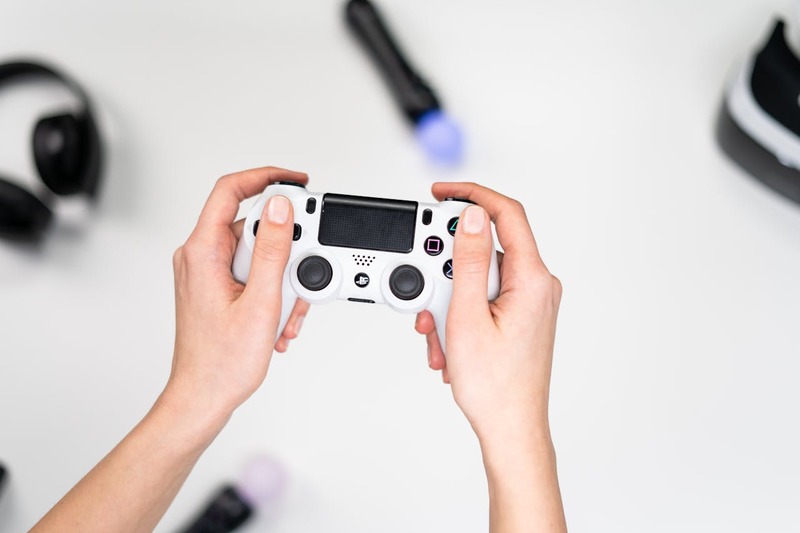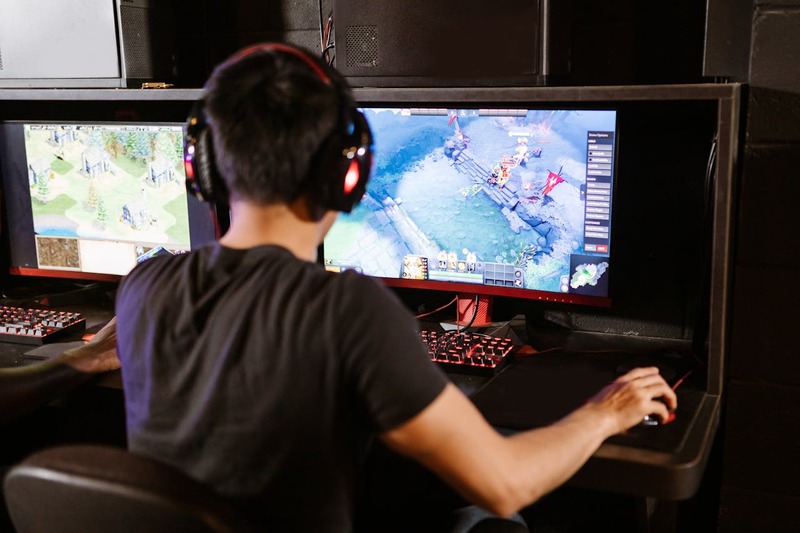
Mobile gaming has evolved significantly over the last few years. By 2026, players will expect mobile games to meet global standards in performance, design, and social connectivity.
The next generation of mobile games is expected to combine sophisticated community features, seamless cross-device play, and console-level graphics.
These features serve both casual players seeking quick fun and dedicated gamers wanting deeper, immersive experiences.
Many players have been closely monitoring these changes. They eagerly explore new releases, test popular games, and connect with others who share their passion. Games that deliver comfort, quality, cultural relevance, and connectivity will thrive as mobile gaming rapidly evolves.
Ready to uncover the future of mobile gaming and see what players will expect in 2026? Dive into the sections below to learn more for deeper insights.
Next-Level Content Quality
In this new era, mobile games must offer not just accessibility and convenience but also deeper engagement and a seamless, meaningful user experience.
Modern mobile games are already pushing this envelope. Visual fidelity—realistic lighting, intricate textures, and fluid movement—is evolving from an optional bonus into a fundamental requirement.
High-quality visual games are commended for their ability to captivate players and create immersive environments.
Additionally, narrative complexity and storytelling are also becoming more popular. Story-rich games with character growth and branching paths are increasingly important to developers.
Experiences that give more than monotonous mechanics or instant wins are now valued by players.
However, narrative complexity and high-quality graphics alone are no longer enough. The user interface (UI) and overall user experience (UX) must also evolve.
As games develop in complexity and feature richness—with larger environments, dynamic content, social features, and cross-device compatibility—controls, menus, HUDs, and navigation flows must remain intuitive, organized, and responsive.
A seamless UI/UX keeps the game accessible and enjoyable, whether players have five minutes or an hour. The future of mobile game quality depends on balancing mobile-friendly accessibility with the depth and immersion that make games stand out.
Cultural Adaptation as a Competitive Edge
Games that adapt to local cultures stand out and go viral faster than one-size-fits-all titles. These games foster a stronger emotional bond with players by incorporating regional artistic styles, local languages, cultural references, and familiar social contexts.
The experience feels more intimate, inclusive, and relevant when players see their own traditions, humor, and values represented.
For many players, it becomes easier to share experiences, invite friends, and celebrate familiar festivals or traditions within the game world.
This sense of community and shared identity promotes virality, increases engagement, and strengthens referral marketing.
Furthermore, games that have been culturally adapted frequently appeal to pride or nostalgia.
A game strikes an emotional chord when it depicts regional folklore, noble customs, or everyday life.
Players may feel noticed and valued as a result of this resonance, which can increase player loyalty and improve the game’s reputation in the local market.
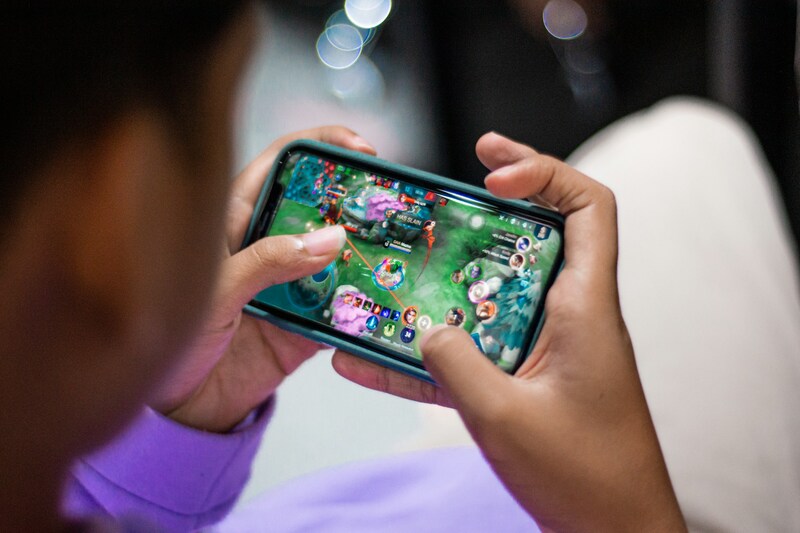
One of the best examples of how local modification increases appeal in Southeast Asia is Mobile Legends: Bang Bang (MLBB).
The game features heroes that are influenced by local folklore and stories, such as Badang, who is based on a Malay legend, and other heroes inspired by mythologies from various Southeast Asian cultures.
Consider partnering with Speequal Games if you want your game to thrive across various Asian communities.
Our team of professional localizers will adapt your assets for a vibrant gaming community, giving your game a competitive advantage.
Ready to turn your game into a regional hit? Contact Speequal Games now and unlock your market potential.
Beyond Multiplayer: True Social Ecosystems
Source: Unsplash.com
Many games now go far beyond the basic idea of multiple players simply playing together. These days, video games are developing into full-scale social ecosystems where individuals can find cultural expression, identity, community, and shared experiences.
Players can create enduring communities in modern games not only during playing sessions but also in online forums, social networks, and even offline gatherings. For many players, gaming is now more about belonging than it is about winning or losing.
Players create social ties, friendships, or even support systems through guilds, clans, team-based play, cooperative goals, or large-scale massively multiplayer worlds.
These environments often serve as a virtual ‘third place’—a social space where individuals can gather, engage, and build genuine connections.
Gaming communities often go beyond the game itself. Online platforms, social media, fan art, streaming, and forums are all platforms that gamers can engage over common interests, appreciate cultural references, share ideas or inside jokes, and build social influence. For many players, the community becomes part of their identity.
As a result, games serve not only as entertainment, but also as cultural anchors where players from all backgrounds may interact, collaborate, and form shared values.
Digital cultures develop their own norms, languages (slang, memes), rituals (in-game events, multiplayer matches, celebrations), and history.
This development extends gaming’s relevance beyond gameplay to reflect and impact real-life culture and social trends.
Gameplay That Fits a Busy Lifestyle

Source: Unsplash.com
As daily schedules get hectic and time becomes more valuable, mobile gaming has evolved into a kind of entertainment ideal for people who lead busy lives.
Today’s mobile games are designed for quick sessions, offering 15- to 90-second gameplay loops, instant rewards, and no loss of progress.
This trend is dominated by casual and hypercasual games, which don’t require much skill development or time investment. Furthermore, cloud saves and cross-device sync are frequently supported in modern mobile games.
In order to keep games accessible even when users only have brief, unpredictable time windows, developers are optimizing games to load quickly and resume instantly.
These features—short sessions, instant rewards, low commitment, and cross-device flexibility—make modern mobile games more than just “time-killers.”
They offer flexible entertainment that fits busy schedules—perfect for people with little free time who need a quick break to relax or have fun between tasks.
Ethical Monetization Is No Longer Optional
Many mobile games use systems that experts and critics refer to as predatory or exploitative.
For example, mechanisms in games known as “gacha” often exploit psychological triggers—randomness, variable reward ratios, fear of missing out (FOMO), and social pressure—to encourage players to make repeated or impulsive purchases.
Aggressive monetization can also damage long-term community health, driving players away, generating negative feedback, and reducing future engagement and revenue.
Players are increasingly seeking games that respect their needs. Ethical monetization means transparent drop rates, optional purchases, fair play for free users, and strategies that enhance—not disrupt—the player experience. Many gamers now prefer models focused on cosmetics and optional upgrades rather than pay-to-win mechanics.
Many players now prefer games that reward skill and playtime rather than financial investment.
This reflects a larger trend towards fostering long-term communities built on trust, integrity, and shared enjoyment, as opposed to exploitative spending cycles.
As criticism of unethical monetization grows, developers who offer transparent, fair systems will stand out. Ethical monetization attracts players tired of gacha systems, bad loot-box odds, and hidden spending traps.
Building Games for 2026 and Beyond
Many gamers are excited about mobile gaming’s future, especially those tired of pay-to-win systems and eager for fair, high-quality games. Short sessions and cloud play make gaming more accessible for busy users juggling work, home, and other responsibilities.
As the mobile gaming industry grows globally, the games that will thrive are those combining technical excellence, cultural relevance, and strategic localization.
By investing in strong visuals, smooth UI, and engaging gameplay, developers meet players’ rising demand for modern, high-quality experiences.
With professional teams like Speequal Games, your games go beyond language barriers and reach new communities, stronger connections, and bigger markets.
In this landscape, games that combine quality, culture, and localization not only attract more players but also create enduring communities based on mutual enjoyment, trust, and resonance.Work with our team to launch globally—and position your game for success across multiple markets.