Malaysia is a vibrant, multicultural nation where Malay, Chinese, Indian, and indigenous cultures coexist, creating a truly hybrid gaming industry.
The country’s racial and linguistic diversity is apparent, with over 70% of citizens identifying as Bumiputera (including Malays and indigenous communities), 22-23% Chinese, and 6-7% Indian.
The majority of this population lives in urban centers, while a sizable portion resides in suburban or rural areas.
There is a distinct urban-suburban divide that affects lifestyles, the languages spoken (Malay, Mandarin, Tamil, and English), and cultural preferences.
Malaysia’s diverse gamers aren’t a single audience—what appeals to one group may feel unfamiliar to another. Many global studios have gotten it wrong by treating Malaysia as a homogeneous country.
Recognizing this complexity helps developers create games that truly resonate with Malaysians. It also becomes a “laboratory” for testing localization, cultural nuances, and multilingual support that will shape global gaming trends in 2026 and beyond.
Dive in to see why localization is more crucial than ever in Malaysia’s unique gaming scene—and how to maximize its potential.
What Players Expect in 2026: Beyond Graphics, They Want Cultural Resonance
Source: Freepik.com
Many gamers now want more than visuals and polish—they want games that reflect their identity, connect them socially, and honor deeper values.
This reflects a broader trend where games grow into shared communities rather than standalone products. This global shift carries particular significance for Malaysian players. Gamers come from a variety of cultural backgrounds and life experiences due to the nation’s bilingual and multicultural environment.
Games can leave a lasting impact in Malaysia when they feature inclusive representation, sensitive storytelling, and community-driven content.
A standard global game can become something players claim as their own if it recognizes local values, language, and humor. Localized games that reflect local customs or daily life also strengthen community and identity among Malaysian players.
However, if developers aren’t cautious, the same tendencies that promise more in-depth player experiences can also lead to problems.
Malaysian players may not enjoy international games that rely on comedy, character relationships, or narrative approaches derived from other countries.
Conversations that are hilarious in one context may seem strange or inappropriate in another.
Character qualities or in-game items influenced by foreign contexts may feel irrelevant, and jokes based on cultural references that are unfamiliar to Malaysians may not resonate.
As a result, representation in video games has a major effect on how players view themselves and others, as well as whether they enjoy or dislike a game.
The Gaps in Global Releases: When Literal Translation Fails Local Players
Players frequently detect when a game is “translated” but not actually localized, and they become disinterested.
While simple translation can translate words between languages, it rarely reflects cultural meaning, tone, context, or interface.
This often leads to awkward conversations, malfunctioning user interfaces, unclear narratives, or awful voice-overs.
Beyond losing clarity, these games risk creating an emotional gap between the original narrative and the audience’s real emotions.
Inaccurate translations of technical words, idioms, or character dialogue are a frequent issue in game localization.
Relying on automated tools or non-native translators can produce rigid or incorrect output, reducing emotional impact and player engagement. This reduces the emotional effect of the story and interferes with player engagement.
Another common issue occurs when the UI and UX fail to adjust following translation. If a UI is hard-coded for one language, translation can cause overflow, cropped text, misaligned icons, or cut-off menus.
Cultural mismatches may also be equally harmful. There are significant local differences in humor, references, social standards, and idioms.
A joke or slang term that is appropriate in a particular country may be offensive in another. Characters can feel off, jokes awkward, and emotions uneven if studios fail to adapt humor or context.
A real-life example shows how even big studios face difficulties. For example, the localization of Fallout 4 received harsh criticism for its bad syntax, misaligned typography, and inconsistencies between text and on-screen scenes.
Sometimes translations are so inaccurate that the tone, context, and emotion are lost, making lines feel out of place or nonsensical.
Why Malaysian Localization Teams Understand Players Better Than Algorithms

Source: Freepik.com
Many languages are spoken in Malaysia beyond the official Malay language. Slang, casual idioms, and even language-switching, known locally as Bahasa Rojak or Manglish—a hybrid that combines Malay, English, and occasionally words or grammar from other languages—are common in everyday conversation
Generic machine translation (MT) is unable to accurately capture such common language with its idioms, humor, rhythm, and cultural allusions.
Human localization teams in Malaysia better capture local speech, humor, and cultural nuances, making translations resonate more effectively.
Even the most sophisticated machine translation algorithms have limitations in terms of slang, idioms, tone, and cultural context.
Games—which rely heavily on dialogue, character nuance, humor, and cultural references—are particularly affected.
A verbatim translation frequently conveys meaning but loses the essence of the source material.
Human localization teams provide cultural intuition and inventiveness, which machines are unable to.
They are aware of timing, slang, local humor, “rojak” wordplay, and the variety of languages that Malaysian players expect.
They understand how to modify jokes or idioms so they make sense locally, when to add English or regional slang, and how to maintain the original’s emotional nuance.
Localization does more than just adapt text; it also makes the game feel like it was designed just for Malaysian players.
Game Localization as a Strategic Tool in Malaysia’s Growing Gaming Market
As Malaysia’s gaming industry grows, localization has emerged as a strategic marketing tool rather than an added benefit.
If a game’s dialogue, in-game stores, events, and community features are adapted to Malaysian culture, language, and preferences, it frequently leads to increased player retention.
Localizing a game for the Malaysian market can significantly increase its profitability. Players are more likely to make purchases if in-game stores, prices, and event schedules are authentic, possibly tuned to their local holidays or cultural routines.
Furthermore, utilizing a culturally appropriate strategy for community events, livestream promotions, and collaborations with local content creators or streamers helps the game connect with the Malaysian audience.
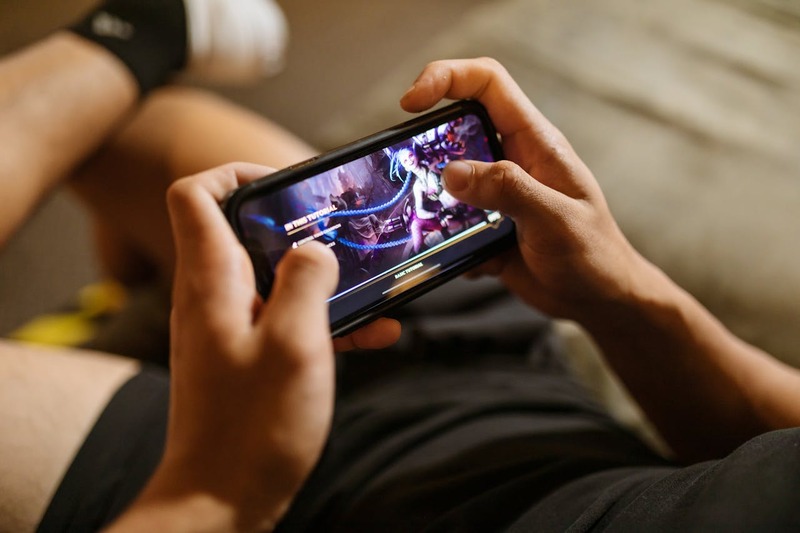
Malaysia is an especially fertile market for mobile games, RPGs, and casual games. According to Statista, mobile gaming dominates the scene, accounting for a significant portion of the market.
With increasing smartphone penetration, widespread 4G/5G connection, and a young digitally literate populace, there is a strong need for accessible and affordable games.
Localization can mean the difference between a brief interest and a long-term commitment from players in RPGs or casual games that rely heavily on story, social features, and microtransactions.
In the larger picture, games that aim to keep up with 2026 trends must prioritize cultural fit over gaming mechanics and graphics.
As global gaming markets grow and players become more selective, relevancy becomes a key differentiation.
To thrive in the Malaysian market, developers must invest in strategic localization, which includes language adaptation, culturally relevant content, local events, and community-driven features.
Professional Support: Bringing Games to Malaysia With Expert Localization Services
Simple machine translation or generic translators sometimes fall short in Malaysia, as gamers frequently speak Malay, English, or a combination of both—along with local slang, regional expressions, and shared cultural references.
A professional local team provides cultural intuition, fluency in regional speech patterns, and an awareness of tone, humor, and idioms that machines cannot match.
Relying solely on machine translation (MT) or generic translation services carries significant risks.
Simple translations frequently result in offensive humor, unnatural phrases, or poor cultural references.
For developers who seek localization that respects both game mechanics and Malaysian culture, Speequal Games provides customized and player-centric adaptations that go beyond simple translation.
With our experts, we can help you ensure, genuine, and engaging Malaysian players. Ultimately, making an investment in excellent localization is a strategic decision rather than just a checkbox.
Good localization enhances gameplay, builds emotional connection, boosts in-game spending, and strengthens the studio’s regional reputation.