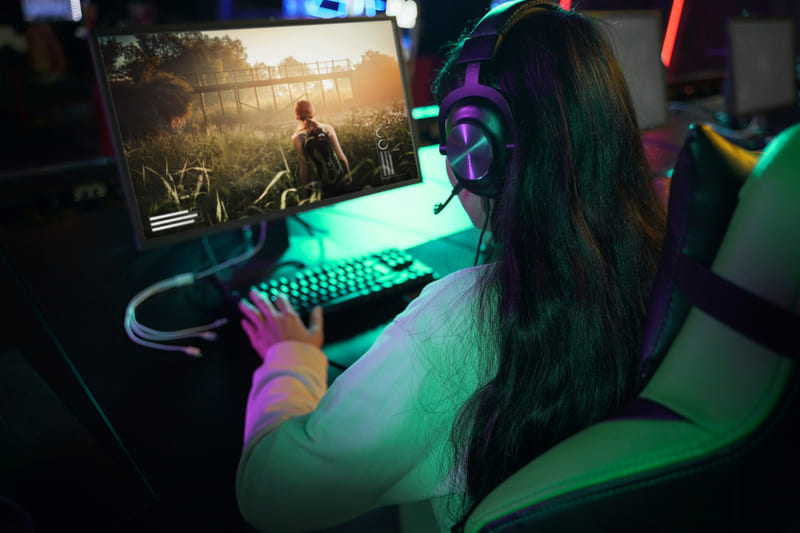
The industry’s monetization models are heavily influenced by gaming culture in 2026. Many games fail to earn as much money since their monetization techniques don’t align with the local cultural standards.
Gaming culture determines how players perceive value, what types of rewards are vital, and which monetization strategies are acceptable. Games that do not adapt pricing, offers, or reward styles to local preferences frequently experience reduced engagement and fewer transactions, even if their core mechanics are excellent.
In certain areas, players warmly embrace seasonal bundles and cosmetic items that represent regional preferences. In other cases, players reject models that they believe are unfair or exploitative, such as aggressive pay-to-win schemes.
As the gaming industry expands globally, developers and publishers have to understand that revenue is tightly connected to cultural context. A successful strategy in one market may fail in another if it overlooks local gaming habits and preferences.
Are you trying to figure out how to make your monetization models profitable and culturally relevant? Keep reading this article to gain more insight.
Gaming Culture Defines What Players Are Willing to Pay For

Source: Freepik.com
Gaming cultures have a significant impact on what players are willing to pay for, and it often comes down to what is considered of value in different communities. Various communities attach different values to cosmetics, progression, and convenience—and these perceptions have a greater impact on consumption. Cosmetics like skins, emotes, outfits, and visual customizations are essential purchases for many players since they represent personal expression and social status in the game world.
The difference between competitive and casual gaming cultures also affects spending. In competitive cultures, players may spend money on premium cosmetics, battle passes, or convenience upgrades to remain ahead of the competition and show off their feats on leaderboards. Meanwhile, casual gaming cultures prioritize advancement and shared experiences.
The acceptability of pay-to-win techniques can be affected by regional preferences; some markets prioritize nonfunctional items like simply aesthetic updates, while others emphasize progression purchases. This indicates that social understanding is the key to successful monetization. A model that works effectively in one culture may appear forceful or unjust in another if it disregards local standards of fairness and playstyle.
Why Global Monetization Models Break at the Local Level
On the surface, global monetization models typically appear to be ideal, with standard processes designed to optimize revenue in every market. However, these one-size-fits-all strategies often fail when implemented locally.
In reality, cultural expectations and local norms influence how players perceive value and fairness. Games that employ global pricing, reward framing, or monetization terms without adapting to local cultures may experience lower engagement, increased churn, and poor revenue performance as their values do not align with players’ expectations and behaviors.
Language and tone are the primary causes of friction. Literal translation may transmit meaning, but it frequently fails to capture emotional complexity, comedy, or cultural relevance.
This might cause an emotional disconnect between the game and the players, making offers, prompts, and reward offers feel awkward or unnecessary. In order to make content feel authentic for each audience, successful localization modifies tone, humor, idioms, and contextual references in addition to translating words.
Framing rewards is another challenge. In-game purchases can feel obtrusive if commercialization fails to incorporate cultural context. As a result, games that prioritize context-based localization are more likely to increase player loyalty and revenue.
Translation & Localization as Monetization Infrastructure
In today’s global game industry, value presentation has a direct impact on conversion and monetization. Players are more inclined to engage and spend money when they see deals, offers, or in-app purchases offered in language and tone that are aligned with their cultural norms.
Strategic localization goes beyond direct translation. It adapts language, humor, idioms, and cultural references to make players feel connected. This involves adjusting the way pricing is displayed, rewards are structured, and even seasonal or event promotions are offered to reflect local conventions and purchasing habits.
Translation and translation services assist games in aligning monetization strategy with player culture by ensuring offers sound natural, user interface (UI) elements are intuitive, and cultural expectations are satisfied. This allows developers to achieve not only higher engagement but also more organic revenue.
Many developers collaborate with professional translation and localization partners in order to genuinely connect monetization with local norms and player expectations. Beyond simple translation, SpeeQual Games provides professional services that modify tone, cultural context, and in-game value advertising to make offers and prizes seem appealing and genuine for each market.
Cultural Misalignment Creates Silent Revenue Loss

Source: Freepik.com
Many games experience a quiet loss of revenue due to players just stopping to pay or canceling memberships for no apparent reason. Players rarely write lengthy comments if rates or offers are unappealing; instead, they simply disappear, taking their money and leaving the developer with questions.
This silent churn can be a major cause of revenue loss, which studios only discover after launches or expansions fail to meet expectations. When monetization appears culturally misaligned, players withdraw rather than complain. As a result, retention suffers without clear feedback.
According to industry research, around 70% of global gamers prefer culturally adapted content. In addition, studios that fail to adapt pricing or incentive structures to local norms can result in disengagement and churn. Even if the core game is well-designed, games that overlook cultural sensitivity may suffer a rapid drop-off in retention.
These problems also have a significant impact on long-term value (LTV). Monetization misaligned with local expectations makes subscriptions and in-app purchases feel illogical, causing players to leave before committing financially. A lack of culturally relevant content or monetization language might also limit organic promotion and lower lifetime consumption.
Conclusion: In 2026, Monetization Follows Culture, Not the Other Way Around
In today’s global gaming landscape, monetization is driven by culture, not the opposite. Players interpret value, fairness, and rewards in the context of local standards. If language, pricing, rewards, and messaging aren’t localized, players often leave silently or avoid making purchases.
Issues such as poor translations and culturally inappropriate pricing all contribute to cultural misalignment, which harms LTV and reduces conversion. Many studios only realize these issues after failed expansions or significant losses in specific markets. As global games continue to expand into varied communities, studios that design monetization with cultural understanding at the core will thrive. When monetization feels culturally relevant, players become more engaged, conversion rates improve, and spending increases. Ignoring these cultural insights not only leads to lower revenue, but it also undermines player trust and long-term engagement.