
Reviving classic games involves not only nostalgia but also the correct development strategy. Remakes and reverse engineering are two commonly used approaches. Remakes rebuild the original game using new engines and updated assets, whereas reverse engineering studies the game’s system or code to recreate its mechanics.
Despite their differences, both approaches aim to maintain the appeal of classic titles for modern players. However, many global studios prefer remakes since they provide greater flexibility to improve graphics, performance, and gameplay while remaining authentic to the original design.
To explore this topic further, read the full article to understand how remake and reverse engineering approaches shape the development of classic games.
Creative Freedom in Remake Development
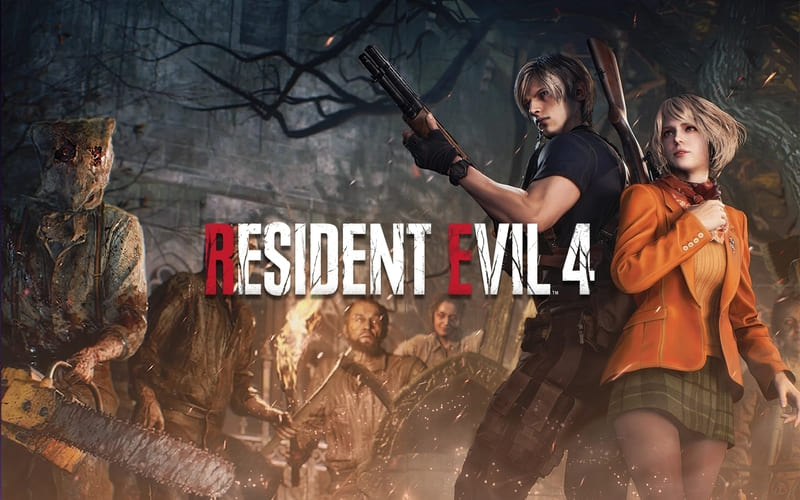
In the remake versus reverse engineering comparison, remakes offer significantly greater creative freedom. Developers are not constrained by old code or outdated technology, allowing them to generate new graphics, smoother animations, simpler controls, and better user interfaces (UI).
Remakes also make it easier for teams to upgrade gameplay mechanics. Older games were often developed under hardware limitations or control systems that no longer feel intuitive for modern players.
By rebuilding the game, developers can incorporate improved controls, smarter AI behavior, enhanced camera systems, and more user-friendly progression mechanics. These enhancements make classic games more appealing to new players.
Another benefit of remake games is that they allow developers to improve narrative details. When making a remake, teams might broaden character development, improve dialogue, and even change the story pace or progression structure.
Resident Evil 4 Remake, developed by Capcom, is an excellent example of this strategy. Released in 2023 as a remake of the 2005 classic, the game features redesigned visuals, new character models, and expanded gameplay systems while maintaining the core third-person action style. The remake also adds new aspects, including crafting systems, side missions, and improved controls, to enhance the overall experience for modern players.
Legal and Intellectual Property Considerations
Reverse engineering is the process of analyzing compiled code to figure out how the game works. While reverse engineering can assist developers in understanding how a game operates internally, it also raises significant legal and intellectual property concerns.
Game code, assets, and systems are often protected by copyright and other intellectual property laws. If developers duplicate or reuse parts of the original code throughout this process, they risk infringing on copyright. Even studying protected systems may pose legal risks when technical protections are bypassed.
Due to these concerns, reverse engineering is frequently regarded as a riskier approach than developing a remake. Official game developers often have access to original assets, intellectual property rights, and development records. This enables them to reconstruct the game from the ground up, without depending on decompiled or reverse-engineered code.
The remake approach also provides a much cleaner legal path. Development teams can avoid any problems caused by outdated code ownership or license restrictions by rebuilding the game with updated engines and assets. At the same time, studios retain full control over the brand, distribution, and long-term management of the game.
Technical Limitations of Reverse Engineering
In addition to legal and intellectual property concerns, the reverse engineering approach also presents several technical limitations. One of the most significant disadvantages of reverse engineering is the time required to comprehend the original code structure.
When a game is released, the source code is often compiled into machine code that computers can execute. This compiled version eliminates many helpful details, such as inputs, variable names, and development notes, making the code considerably more difficult to understand and analyze. As a result, developers must devote substantial effort to analyzing the binary files in order to grasp how the game functions internally.
The issue becomes more complex with older games that rely on outdated technologies. Many classic titles were developed on hardware and operating systems that are no longer supported. As a result, developers frequently have to rebuild old environments or set up new systems to ensure that the game runs smoothly on modern platforms.
To avoid these challenges, many developers opt for the game remake approach. Instead of reconstructing the game from compiled code, the development team builds a new version using up-to-date game engines.
This enables them to design cleaner systems, improve performance, and modernize graphics and gameplay to meet today’s expectations. Remakes can also update controls, AI systems, and UI, providing a more seamless experience for new players.
Market Strategy and Monetization Potential

Game remakes are becoming one of the most popular strategies for reviving classic titles. While reverse engineering attempts to reconstruct the original game’s code, the remake strategy enables developers to revive a classic game as a fresh product.
This difference brings significant commercial advantages. When a company releases a remake, it can promote the game as a refreshed experience with modern design, improved gameplay mechanics, and new content. These improvements allow the game to compete in today’s market while maintaining the core identity of the original.
Remakes also allow developers to add features that were not available in the original games. Modern internet systems, updated UI, and upgraded graphics may have a significant impact on how players experience the game.
From a business perspective, remakes create more monetization opportunities. Developers can continue expanding the game after launch through DLC, seasonal content, or major expansions. This approach keeps players engaged while also allowing studios to earn more profit beyond the initial game sale.
Remakes produce a one-of-a-kind experience that appeals to both old fans and new players by blending nostalgia with fresh upgrades. Due to these advantages, the remake approach has become one of the most commercially attractive strategies for game developers today.
Conclusion: Remakes as a Strategic Industry Choice
When comparing remake vs reverse game strategies, remakes frequently stand out as the modern strategic industry choice. Unlike reverse engineering, which often deals with outdated systems and limited appeal, remakes allow developers to drastically alter classic games by upgrading gameplay, graphics, and even storytelling with today’s technologies.
This creates exciting marketing opportunities and appeals to nostalgia while attracting a new generation of game enthusiasts. Remakes also increase player engagement and revenue potential, as they are refined and marketed as refreshed products.
Instead of depending entirely on technical reconstruction, remakes provide publishers with a safer investment and broader commercial reach by revitalizing classic brands and expanding their content.