Anime aesthetic games are rapidly capturing the global gaming market. Their vibrant graphics, emotive character archetypes, and compelling narratives create immersive worlds that appeal to anime enthusiasts worldwide. As anime culture spreads outside Japan, these games are increasingly popular in North America, Europe, and other regions.
However, distributing anime aesthetic games to international markets is not as simple as translating text. Cultural jokes, social standards, and narrative methods rooted in Japanese culture can be challenging to translate across languages.
Without proper localization, character personalities may feel flat and narratives may lose emotional impact for international players, resulting in poor gameplay experiences that fail to resonate with audiences.
Curious about how localization shapes the global success of anime-style games? Read on to understand why specialized localization is becoming increasingly essential in the global game industry.
The Linguistic Complexity Behind Anime-Inspired Narratives
Anime aesthetic games are known for their expressive characters and emotional storylines. Many anime-style games have characters speaking using idiomatic terms that are prevalent in Japanese but difficult to translate precisely. These phrases may rely on wordplay, cultural references, or context that is only understandable in Japanese.
Another vital issue is the adoption of honorifics like –san, -kun, -chan, and -sama. These suffixes attached to names are more than polite titles; they signal respect, familiarity, hierarchy, or emotional relationships between characters. Many of these expressions do not have direct equivalents in English, so translators must determine whether to maintain them, change them, or convey their meaning through tone and context.
These subtle differences have a significant impact on how players view characters. A phrase that sounds respectful in Japanese may seem overly formal in English, but a satirical joke could appear rude if translated too directly. Even slight linguistic modifications, such as removing an honorific or changing a speech style, can signal major shifts in relationships or emotional tone.
Because of this complexity, effective localization must consider more than just the literal meaning of words. Translators strive to preserve the emotion, rhythm, and meaning of the dialogue, ensuring that players in other languages experience the same character dynamics and narrative impact as the original audience.
Cultural Nuance and Character Identity
Source: Nintendo.com
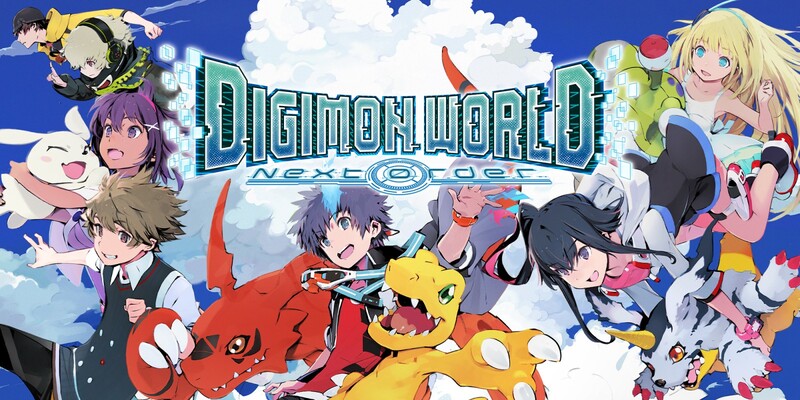
Anime aesthetic games frequently feel unique because they immerse players into worlds inspired by Japanese culture. Many stories are set in recognizable anime settings, such as high schools, club activities, and seasonal festivals. These aspects are easily identifiable to Japanese fans. For global players, however, they may require a little more explanation.
The difficulty arises when these games are launched globally. Many jokes, traditions, and references are based on Japanese pop culture or social habits, which foreign players may not comprehend all at once. Localization teams must consequently assess how much explanation or customization is required so that players from different countries are able to grasp the story.
Cultural nuances often have hidden themes, symbols, or social norms that contribute richness to the story. If cultural background is removed to make the story more understandable, the narrative may lose its purpose. Therefore, removing them completely risks making the entire gameplay feel bland.
On the other hand, an excessive change might lead to other issues. Over-adaptation may lose the unique cultural identity that distinguishes anime-style games in the first place.
As a result, localization teams frequently seek an equivalent solution. Instead of removing cultural characteristics, they modify speech, explanations, or phrases to ensure that the content can be understood but the original environment remains unchanged. The idea is to assist players in grasping the story while preserving the ambiance that distinguishes anime-style games.
Community Sensitivity and Global Fandom
Anime aesthetic games frequently draw devoted fan bases that are extremely concerned about the characters, storylines, and even individual lines of dialogue. Because of this, translation consistency is critical when these games are launched globally.
Many anime enthusiasts are already acquainted with the original Japanese versions. Therefore, they frequently demand character names, skill names, and iconic phrases to remain consistent over updates, events, and expansions.
When a localization abruptly changes a common term or rewrites a well-known phrase, fans may perceive it as disrespectful to the original content. In the past, excessive localization—such as changing names or cultural references—has provoked criticism from anime enthusiasts who prefer adaptations that are closer to the original.
Today’s online communities make the issue much more sensitive. Discussions on forums, social media, and gaming communities may spread criticism rapidly. Fans frequently require translation teams to adhere to the original tone and meaning rather than significantly modifying dialogue or story elements.
Because of this scrutiny, developers and studios must approach localization as a long-term strategy rather than a one-time translation task. Maintaining precise terms and consistent language throughout updates reduces misunderstanding and keeps the story cohesive.
Live Service Updates and Terminology Control
Source: Pexels.com
Many anime aesthetic games today employ a live service model, which means they continue to evolve with regular updates, new events, story content, and seasonal features. This model keeps players interested longer and fosters stronger communities around the game.
However, regular updates create a challenge, as each patch or new story arc generates fresh material that must be translated quickly and accurately for players all around the world. Updates in localized versions might feel disorganized or unclear due to a lack of strict control over terminology such as character names, item titles, event names, and signature phrases.
That’s why professional game localization teams employ terminology databases, glossaries, and style guidelines to verify that each update uses the same approved terms. This approach enables translators to swiftly translate new material while maintaining linguistic consistency between patches and languages, hence improving immersion and player satisfaction.
To ensure that this work runs well in a live service environment, writers, developers, and linguists must work closely together. Writers ensure that the message is clear, developers offer technical background and time updates, and translators maintain tone, style, and linguistic consistency.
Working with an experienced localization partner, like SpeeQual Games, may help studios manage fast-paced global releases while ensuring terminology consistency, efficient workflows, and high-quality localization for every update.
Conclusion: Specialized Localization as Brand Protection
In today’s global gaming market, anime aesthetic games are more than simply products; they are cultural experiences. Every layer of text and language in the game, including character dialogue, live-service updates, and community expectations, shapes player perception.
Therefore, an effective localization is fundamental. It maintains cultural sensitivity, consistent terminologies, emotional tone, and story coherence between updates and languages. Without careful adoption, players may lose trust in the storyline, feel distant from characters, or openly criticize the game, harming both reputation and long-term brand loyalty.
Specialized localization protects games by ensuring that every release, update, event, and term seems natural and authentic to players all across the world. Localization that is consistent and culturally sensitive improves immersion and contributes to the development of a loyal global audience that believes in a game’s uniqueness and identity.