Southeast Asia (SEA) is a vibrant gaming ecosystem that unites gamers, developers, communities, media, influencers, and events to foster an integrated culture. The gaming environment is alive, social, and strongly ingrained in local cultures from Jakarta to Manila.
Developers in this ecosystem do much more than produce global games; they collaborate with players, adapt content, and engage with communities that share cultural references, local languages, and humor.
The media and influencers in the area also establish shared identities around gaming, host events, and create trends.
Meanwhile, the market potential has been continuously developing; a Statista report projects that the region’s gaming market will expand to US $14.79 billion in 2025. Due to the region’s growing internet penetration, young population, and mobile-first culture, the Southeast Asian audience not only enjoys games as consumers but also actively contributes to game development, localization, and gaming experiences.
This entails a sizable targeted audience for game publishers and developers, as well as one that requires cultural relevance, captivating community features, and regional adaptation.
In this article, we explore how local players shape gaming culture in Southeast Asia, how local developers implement engagement strategies, and the significance of localization in the region’s gaming longevity.
Local Flavor in Global Games
Making a game feel local in an increasingly international gaming environment requires more than just text translation.
It’s about incorporating cultural elements so that players in a certain location can say, “This was created for us.”
Here’s how specific game elements are adapted to feel local:
- Characters: Developers create or adapt characters based on regional mythology, national heroes, or culturally relevant characteristics. For example, Indonesian games often feature characters inspired by local legends or historical figures.
- Events: In-game events are themed after local festivals, holidays, or cultural moments, fostering a sense of connection and context.
- Soundtrack/Audio: Music, voice-overs, sound design, and even accents have been localized to ensure a native audio experience.
- Local Humor and References: Jokes, idioms, puns, and cultural references are adapted—rather than merely translated—to make them more relatable. For example, local memes, vocabulary, and regional humor styles.
By incorporating games into the local cultural environment, a number of festivals and events help game developers increase user retention. For example, Southeast Asia Game Onward is an annual online community event that gives developers from Southeast Asia a platform to showcase their innovative games.
It also gives players opportunities to learn about and support local game development, the event features exhibitions and sales on gaming platforms such as Steam or Itch.io.
Additionally, Mobile Legends: Bang Bang has an annual agenda to link in-game elements with cultural festivals, such as introducing themed skins, adjusting the interface, and modifying event pacing during Ramadan or Songkran holidays.
When Players Rewrite the Game
Source: Unsplash.com
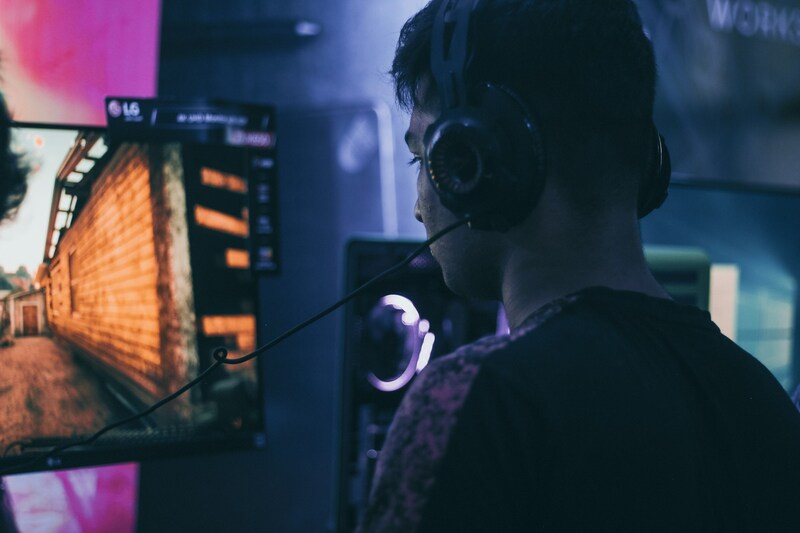
Today’s gaming world increasingly blurs the line between player and creator. Players now influence games across platforms and genres rather than just consuming them.
Players are becoming co-creators of the experience through fan translations that enable games to reach foreign communities, modding that improves gameplay, maps, characters, or aesthetics, and community-driven local events.
In the long term, the gaming industry may drive decentralized innovation and cultural adaptation by enabling players to co-create games they not only play but also live and shape.
1. Fan Translation and Local Adaptation
Dedicated player communities frequently take over when official localization is unavailable, such as translating menus, dialogues, and UI labels; adding voice-overs in the local language; or producing region-specific manuals. Players in marginalized markets can now enjoy games in their native language and cultural context.
2. Modding, Rule Changes, and Custom Content
In addition to translating, players often modify game mechanics, add new stages, alter character skins, create whole own storylines, or even transform a game into a different genre.
Modding, for instance, has been scientifically demonstrated to prolong a game’s life, boost player engagement, and provide value co-creation between gamers and the game developer.
Players feel more invested when they can actively contribute to the game environment by offering innovation, improvements, or community features that creators may not have emphasized.
3. Local Events and Social Adaptations
By planning regional competitions, tournaments, themed gatherings, or in-game community challenges customized for their area, players can also influence games. These regional occurrences influence how the game “feels” in a certain market by reflecting player behavior, time zones, and cultural preferences.
Through player initiatives, communities can also modify rules—such as house rules and custom leagues—to better suit their players, thereby localizing the gaming experience.
Cultural Nuances Beyond Language
When global game developers localize content for the vibrant and diverse Southeast Asian region, simply translating text or voice-overs is no longer sufficient.
In countries like Indonesia, Thailand, Vietnam, and Malaysia, gamers anticipate a more immersive experience that displays local authenticity through nonverbal aspects like symbols, gestures, color palettes, historical references, and moral tales.
From character design—such as adopting regional color palettes—to story arcs that reflect community values, good localization entails incorporating culture into the very fabric of a game—so that the title does not just appear translated, but feels locally born.
Here are several significant nonverbal and contextual dimensions to consider when localizing games for Southeast Asian markets:
1. Symbol and Historical References
This element can display traditional elements such as batik patterns, temple architecture, folklore creatures, and regional mythology.
Historical touchpoints can also be introduced by game developers, such as regional tales, colonial history, national heroes, or local spiritual beliefs, to enhance the narrative’s resonance.
2. Gestures, Colors, and Visual Aesthetics
Game developers must ensure that gestures or symbols meaningful in one culture do not offend another. In Thai society, characters touching someone else’s head or pointing at their feet may provoke unfavorable reactions. Developers must also consider color symbolism and ensure visuals—characters, UI, and clothing—match local aesthetics.
3. Moral Storylines and Social Norms
SEA cultures value harmony, respect for elders, and community—making these themes more impactful than individualistic ones. Themes of family, community, and traditions can root a game in local culture and boost emotional engagement.
Hyper-Localization: Tailoring Games for Every Community
The gaming business in Southeast Asia is shifting from broad regional localization to hyper-localization, which involves tailoring games to specific cultural, language, and social segments.
As mobile and online games grow, developers see that players across SEA have distinct tastes and community habits. Here are specific strategies that developers in Southeast Asia are using to deliver hyper-localized game experiences:
- Micro-events tied to local culture or holidays: some titles feature special in-game events aligned with regional festivals such as Ramadan in Indonesia, Songkran in Thailand, or celebrations based on local myths, which often feature skins, maps, or special modes for a certain period.
- Local servers and region-specific features: developers maximize performance and community experience by setting up servers for certain nations or localities, adapting revenue models and payment flows to local norms, and integrating local dialects, slang, and optimized UI for local devices.
- Community-driven local engagement and influencer partnership: developers collaborate with local streamers, conduct on-ground events or pop-up stores, and run contests or tournaments to foster local fandom.
- Regional figures, maps, and narrative elements: Certain titles develop localized heroes based on local tales, mythologies, or national identity. These characters are subsequently integrated into marketing, events, and community outreach.
In Southeast Asia, the shift to hyper-localization offers real advantages for business and cultural sustainability in addition to being favorable for developers to embrace.
A key advantage is higher engagement and retention, as players stay longer with games that reflect their culture—boosting monetization. Games also strengthen the ecosystem by promoting local culture, supporting creators, and boosting esports.
This approach also supports local businesses and creates feedback loops for culturally appropriate content, promoting long-term sustainability.
Professional Translation & Localization: The Bridge to Authenticity

Source: Unsplash.com
Professional localization and translation are essential for a game to feel authentic across diverse markets like Southeast Asia.
These services bridge the game’s original vision with the local audience’s language, culture, and playstyle.
To make a game feel native, localization teams adapt tone, humor, idioms, cultural cues, UI/UX, and even mechanics.
A strategic link between a game’s global vision and a profound local experience is provided by high-quality localization. Conversely, poor localization creates friction, discourages players, and damages brand reputation.
Partnering with a team of professionals who understand gaming culture, local context, and regional languages, such as Speequal Games, allows you to not only translate text but also adapt the game world—from authentic dialogue to intuitive interfaces and adaptable characters.
Make the smart move—partner with Speequal Games to deliver authenticity from day one and unlock new markets, loyal fans, and lasting growth.
Your game deserves cultural adaptation to achieve global reach and local relevance.
Southeast Asia: The Vanguard of Global Gaming Culture
Southeast Asia is now a gaming hub—localization-savvy, community-driven, and culture-shaping, not just a market for imports.
With millions of players, rising local developers, and communities blending streaming, esports, and indie creativity, the region is redefining the gaming ecosystem.
SEA could lead in culturally rich games, hybrid IP, and innovative monetization—shaping global game culture instead of following it.
With these capabilities, this region can shape developing platforms, community-driven formats, and the way games are localized for different markets.