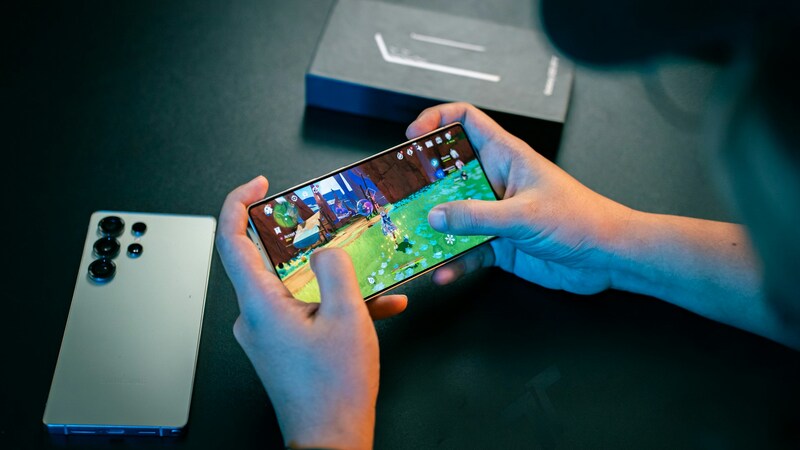
Mobile gaming did not grow by accident; instead, it expanded as smartphones became an integral part of daily life. People carry their phones all the time, making it convenient to play a quick game while waiting for a train, taking a break, or even before going to bed.
In 2026, mobile gaming is not only popular but also serves as a stable pillar of the global gaming market. The mobile gaming industry is projected to grow significantly in 2026, with revenue reaching hundreds of billions of dollars as more players spend on in-game purchases, ads, and subscriptions.
This domination is not a passing trend. The mobile gaming business has been built on strategies that promote long-term growth, including free-to-play models, regular content updates, and live services that adapt to player behavior.
These mechanisms enable games to respond quickly to changing behaviors while maintaining player engagement over time. As smartphones become increasingly embedded in daily routines, mobile games are expected to lead rather than follow.
In this article, we will uncover how mobile gaming behavior in 2026 is shaping a long-lasting and resilient gaming ecosystem. Keep reading to learn why this matters for both players and the industry.
Force #1 — Mobile Is the Only Truly Global Gaming Platform
Mobile gaming has emerged as the only platform that truly connects players around the world. While PCs and consoles require expensive equipment and geographical distribution, mobile games are instantly accessible for any individual with a smartphone.
Emerging regions such as Southeast Asia (SEA), Latin America (LATAM), and Middle East and Africa (MENA) are fueling this massive scale, adding millions of new players every year. Mobile gaming’s accessibility and scale make it the world’s most connected platform, allowing game developers to reach audiences globally.
As a result, mobile remains at the forefront of the gaming industry’s expansion, demonstrating that user reach and global accessibility are the reasons it outperforms traditional gaming formats.
Force #2 — Free-to-Play Economics Fit Mobile Behavior Perfectly
Source: Unsplash.com
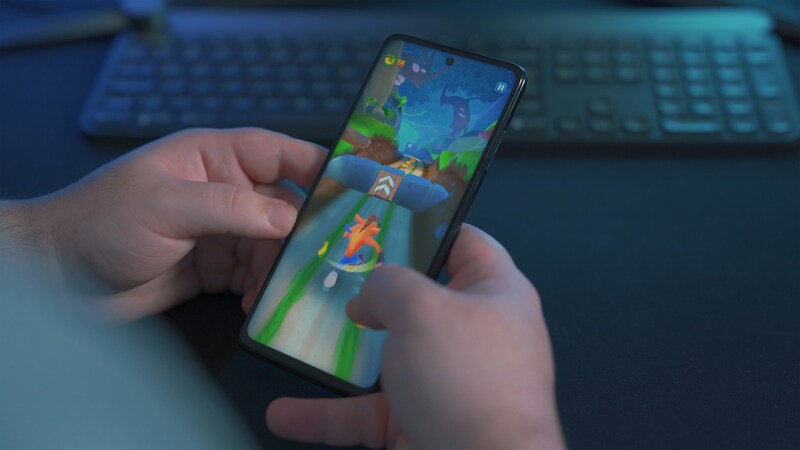
Mobile gamers usually play in short bursts, and free-to-play (F2P) games are built to accommodate this habit seamlessly. Players can start immediately without paying, while optional spending increases over time with engagement.
This natural approach makes monetization feel seamless and player-friendly. This model prioritizes long-term revenue over short-term gains, allowing developers to build sustainable profitability.
Mobile games provide long-term value by harmonizing with regular player behaviors. F2P is not just convenient; it also provides a consistent ecosystem in which both gamers and developers benefit, making it the ideal monetization strategy for mobile devices.
Force #3 — Localization Turns Mobile Scale into Revenue
Mobile games can reach millions of users, but global scale does not guarantee global revenue. Language limitations and cultural differences can reduce player engagement and retention,resulting in “silent churn”—players who leave quietly because the experience feels unfamiliar or poorly adapted. This hidden bottleneck might make a game appear successful in numbers but underperforming commercially.
This issue can be addressed through strategic game localization. Beyond translation, it adapts content, graphics, and events to fit local preferences, resulting in a natural experience. A well-localized game feels familiar and intuitive, which keeps players engaged and increases retention.
Localization is not an option for mobile games in 2026; it is a strategic tool that allows developers to attract and retain players across markets while boosting long-term profitability. Partnering with a professional localization team such as SpeeQual Games helps mobile titles connect authentically with players across global markets.
Force #4 — Mobile Retention Is Driven by Habit, Not Hype

Source: Freepik.com
Mobile gaming dominates other platforms due to its seamless integration into daily routines. Unlike hype-driven games that rely on new releases and trends, habit-driven mobile games promote comfort, consistency, and familiarity. Players return in short, frequent sessions, naturally integrating gameplay into everyday life.
While hype may pique players’ interest, habit keeps them returning. A significant share of active mobile players worldwide engage with games at least once a day, indicating that regular engagement derives from comfort and familiarity. This explains why mobile gaming has the highest rates of long-term engagement and player loyalty across global markets.
Force #5 — Mobile Live Service Models Are Operationally Mature
Mobile games have extensive experience managing live updates, seasonal events, and ongoing player engagement. The priority has shifted from constant reinvention to smooth, reliable, and scalable operations.
Games like Clash Royale and Candy Crush are constantly evolving through live operations (live-ops) that adapt to player feedback and real-time trends, ensuring that gameplay remains fresh while minimizing disruptive bugs.
Stable live service operations enable developers and publishers to envision strategies for an extended period and grow consistently. As the gaming industry advances, mobile devices’ established live-ops strategies maintain a significant competitive edge.
Force #6 — Cross-Platform Trends Strengthen Mobile, Not Replace It
Cross-platform gaming does not replace mobile devices; rather, it strengthens mobile’s position as the primary entry point into the gaming ecosystem. Mobile devices serve as the core hub for cross-platform experiences for a large proportion of players—roughly 79% of gamers use mobile devices, making smartphones the most popular format for multi-platform gaming.
Players frequently start and return to mobile first, since its accessibility and affordability keep them engaged on a regular basis. Cross-platform play promotes continuity and simplicity of access, establishing mobile as a vital hub for players to connect, participate, and stay engaged. This further reinforces mobile’s central role in global gaming behavior.
Force #7 — Mobile Gaming Aligns with How Players Actually Live
Another benefit of mobile gaming is its ability to fit effortlessly into daily life. Unlike traditional platforms, mobile games adapt to human needs and daily routines rather than forcing players to change their habits. Players can enjoy short sessions while traveling, taking a break, or even during peaceful times at home, providing flexibility that allows gaming to integrate seamlessly into everyday routines.
Mobile gaming provides exceptional convenience and retention by tailoring experiences to human behavior. The flexibility it offers is a key benefit, demonstrating why mobile continues to dominate the global gaming ecosystem and is the most convenient way for players to engage with games.
Conclusion: Mobile Gaming Dominates Because It Fits Reality
Today’s domination of mobile gaming does not result from hype or short-term trends but rather to its integration with players’ habits. Mobile adapts to human needs by providing comfort, familiarity, and convenience that other platforms struggle to provide.
Mobile devices also serve as a global entry point for games. Its global reach transforms into real revenue once games accurately reflect local languages and practices, and players feel comfortable interacting on a daily basis.
Ultimately, accessibility, adaptability, and social relevance are the forces that keep mobile gaming dominant—not just popular. Users may play at any time and from any location, making it a reliable force in both business and entertainment rather than just a passing trend.