
Game porting is a strategic approach to expanding a game’s reach without developing a new title from scratch. By adapting an existing game for new platforms, studios may reach a larger audience and generate more sales.
However, many studios misunderstand the complexity of game porting, believing it is just a technical shift. In fact, it entails performance optimization, hardware compatibility, user experience (UX) adjustments, and even market alignment.
Underestimating this method can result in errors, poor performance, and negative user experiences, putting both quality and reputation at risk. Therefore, successful porting requires careful testing, design adjustments, and platform expertise.
This article explores key strategies for successful game porting across platforms.
Evaluating Technical Readiness
The original design of the game is frequently what makes the difference between a successful porting and a costly struggle. A modular code structure makes things much easier to handle.
Graphics, controls, and audio are divided into discrete systems, making it easier to modify them without disrupting the entire game. This adaptability enables developers to swiftly adapt functionality to different platforms, saving time and resources.
Another key factor is engine compatibility. For example, game engines like Unity or Unreal Engine aim to support various platforms, making porting considerably easier. Custom-built engines, on the other hand, may necessitate substantial additional effort if they are not compatible with the intended platform. Developers will need to spend fewer resources on rebuilding or modifying fundamental systems if the engine is more adaptable.
Dependency on hardware might also bring a major problem. It can be challenging to transfer games that significantly rely on particular hardware features—like expensive displays or console-only features—to other platforms with varied capabilities. The process becomes more complicated when developers have to replace unsupported functionality or rethink systems that rely heavily on performance.
This is why a technical audit from the start is critical for game porting. It enables teams to better grasp the game’s structure, detect possible concerns, and estimate the real scope of work. Without this phase, projects can easily get off track, resulting in unanticipated delays and higher costs.
Adapting User Experience Across Platforms
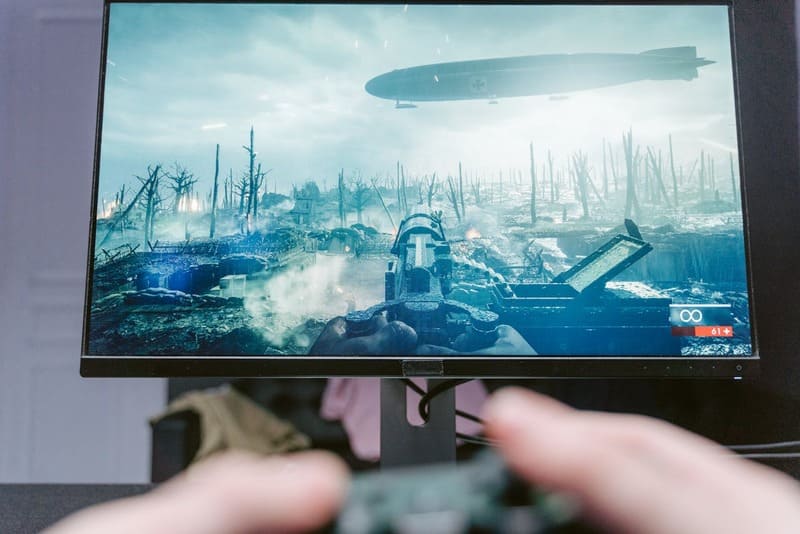
Adapting the user experience between platforms is one of the most crucial parts of game porting, although it is often overlooked. When a game moves from one platform to another—for example, from PC to console or mobile—not only does the hardware change, but it also changes the way players engage with the game. Each platform has a unique interaction pattern: keyboards and mouse provide accuracy, controllers prioritize comfort and analog movement, while touchscreens rely on gestures.
UI and UX design should be rethought rather than reused. Menus created for a mouse may seem awkward on a gamepad, and sophisticated HUD features may overwhelm mobile players with tiny screens. Developers must redesign layouts, streamline navigation, and ensure that all interactions seem natural on the target platform.
In addition, responsiveness and simplicity of navigation are important factors in player retention. Smooth controls, simple menus, and straightforward navigation keep players entertained and engaged. On the other hand, even minor usability issues—such as delayed input or complex layouts—can rapidly bother and push players away.
A poor UX adaptation is one of the most common reasons why ported games receive poor reviews. Players can tell when a game seems “off” or isn’t built for their platform. Even a technically stable port might be strongly criticized if the user experience becomes unpleasant or confusing.
Performance Optimization and Platform Constraints
Performance optimization in game porting is not optional, it is required. Each platform has unique capabilities and limits, and understanding them is critical to providing a smooth gaming experience.
Performance optimization entails tailoring a game’s performance characteristics to the hardware it will operate on. This involves ensuring that the game has a stable frame rate, loads smoothly, and uses memory efficiently. For players, these factors are more than simply technical terms; they define how responsive the game feels.
A stable frame rate makes movement and action feel fluid, and quick loading times keep players interested. Efficient memory usage reduces crashes and stuttering during gameplay. When these features are properly adjusted, even complicated games may seem natural and responsive across a variety of platforms. Poor optimization, on the other hand, typically causes latency, lengthy load times, and unstable performance, all of which harm the overall experience.
This is why performance optimization is vital during the game porting process. Developers frequently start by examining how the game currently functions and then modify assets and code to fit the new platform.
Large textures, for example, may need to be compressed or scaled down to load rapidly and require minimal storage. Rendering techniques may be simplified to maintain a consistent frame rate, and code inefficiency can be cleaned up so that the game makes better use of CPU and GPU resources.
Compliance, QA, and Release Readiness

Platforms like Xbox, PlayStation, and Nintendo enforce strict certification standards and content policies that games must follow before release. For example, the Xbox Requirements (XR) contain tests for title stability, navigation, and save game compatibility to verify that the game does not crash, freeze, or act abruptly. Games must function fully and meet platform requirements to gain approval.
Quality assurance (QA) is an important step in this process. QA is more than simply finding visible errors: it also involves ensuring that a game works smoothly across a wide range of devices, hardware specifications, and environments.
This entails testing the game on actual consoles, PCs, and mobile devices to uncover flaws that can only show up under certain settings, such as controller input adjustments or save game operations. Compatibility testing determines how a game performs with various CPUs, GPUs, screen resolutions, and peripherals, ensuring that players have a consistent experience regardless of how they play.
Regression testing is a further significant factor of QA in game porting. As developers resolve bugs and upgrade builds, there is always the possibility that outdated features or functionality could break unintentionally.
Regression testing evaluates each feature after adaptations to ensure older systems continue functioning properly and new upgrades do not introduce issues.This contributes to the general stability and quality of the game during the porting process.
Localization and Market Expansion Strategy
Game porting is frequently more than just publishing a game on new platforms; it often entails entering new markets with players who speak various languages and have different cultural expectations. When a game expands into new regions, the language and cultural background can have a significant impact on how players perceive it.
This is why localization, which goes beyond simple translation to adapt a game’s story, comedy, symbols, user interface, and even visual elements to a target audience, has become an important factor in global game success.
The cultural dimension of game localization, often known as culturalization, goes even farther. It entails assessing game material for cultural relevance and appropriateness, including customs, values, and local norms, in order to make players feel valued and involved.
Effective localization makes players feel the experience was designed specifically for them, increases engagement, extends playtime, and deepens their connection.
Furthermore, localization also unlocks broader business potential. Making a game linguistically and culturally relevant allows developers to reach wider audiences and increase income possibilities in vital regions like Asia, Europe, and Latin America.
To fully flourish in global gaming markets, many developers choose to collaborate with professional partners that specialize in translation and cultural adaptation. A partner like SpeeQual Games can assist in guaranteeing that your game’s language, tone, and cultural features are properly refined for each market, making your title seem authentic, engaging, and relevant to all players.
Conclusion: Preparation Defines Porting Success
In today’s gaming landscape, game porting has evolved into a strategic approach to new platforms and global markets, but success doesn’t happen by chance. To provide a high-quality port, developers must properly prepare—from studying platform certification standards and performance constraints to employing extensive quality assurance, regression testing, and culturally appropriate localization.
Ultimately, game porting is more than simply technical adaptation; it’s about ensuring stability across devices, addressing each platform’s specific specifications, and making players all around the world feel connected with your game. Without careful preparation, even well‑designed games can suffer poor engagement, negative reviews, or delayed releases.