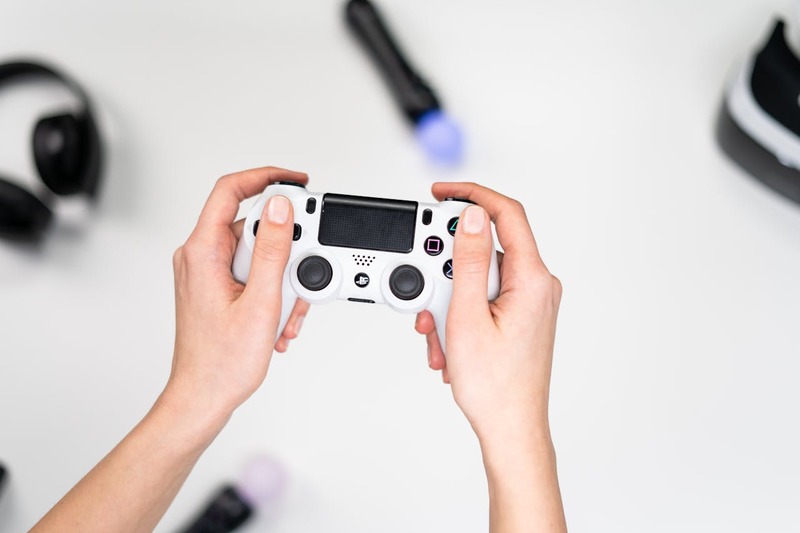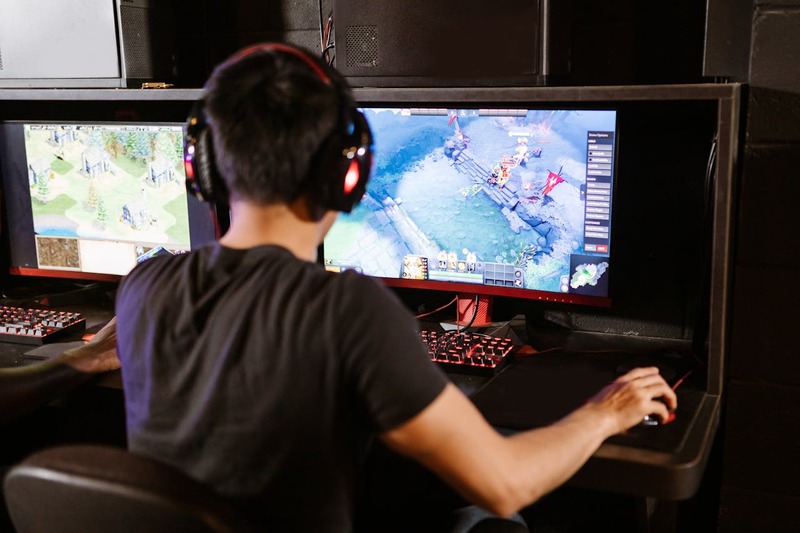
With live-service games, cross-platform play, and local in-game events influencing player expectations globally, mobile gaming will continue to develop beyond 2025.
While seamless cross-platform connectivity is becoming the norm for modern games, live-service titles now offer regular content updates and culturally relevant events that keep players engaged over time.
The continued popularity of mobile games has heightened local players’ expectations for culturally immersive experiences.
As global player behavior gets more complex, simple translation is insufficient.
Language or cultural errors, ranging from awkward text to inappropriate graphics, may disturb players, shorten session duration, and affect in-game purchases.
Thus, localization is more than just the last stage of translation; it is a strategic business target.
This strategy improves accessibility, fosters local audience trust, and boosts engagement and profitable growth across different regions.
In this article, we will look at how strategic localization could result in a greater impact on mobile games and local players in 2026.
Understanding Regional Player Expectations and Gaming Community Trends
Understanding local player expectations and community trends has become crucial for game developers in today’s global gaming industry.
The unique preferences, sense of humor, and cultural nuances that players from all over the world bring to a game affect how they engage with it.
By responding to these trends, developers may produce experiences that local audiences find authentic, thus boosting player engagement and loyalty.
User interface (UI), dialogue, tutorials, and in-game messages are examples of fundamental game aspects that are directly impacted by trends in the gaming community.
As dialogue that reflects local tone and humor offers characters and narratives a sense of authenticity, a UI designed with local language patterns and cultural norms guarantees that menus and tutorials are intuitive.
Additionally, customized in-game messaging ensures that players feel valued and recognized, which increases community loyalty.
Localization must go beyond simple translation in order to genuinely engage with global players.
To make the game feel native to each region, it is necessary to comprehend player expectations on a deeper level and adapt idioms, cultural references, graphics, and even gameplay cues.
Games that invest in this level of cultural adaptation frequently have more engagement, stronger community loyalty, and better overall market performance.
Cultural Nuance, Tone, and Context in Mobile Games
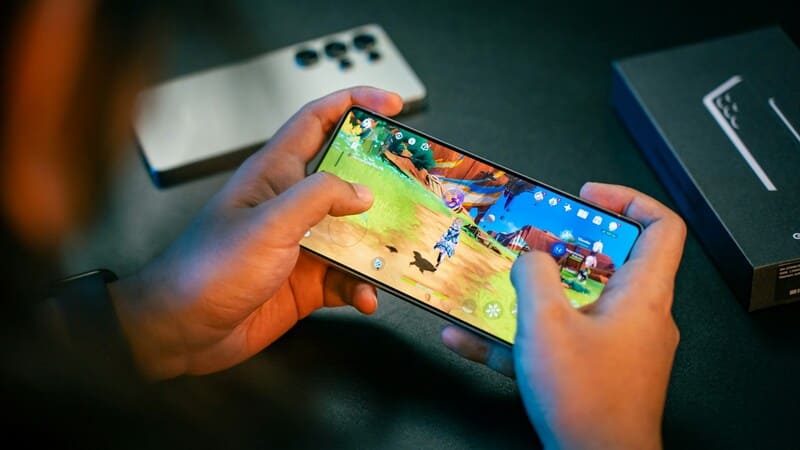
Source: Unsplash.com
In this global mobile gaming landscape, language itself is insufficient for creating a compelling player experience.
Aside from translation, players evaluate a game depending on how characters interact, how humor is interpreted, and how cultural references are grasped; this is why context, tone, and nuance become essential.
Jokes, idioms, pop culture references, and emotionally expressive dialogue that rely on subtle clues are frequently encountered in games.
Players may become confused, frustrated, or even upset when these components are translated simply without taking into account context or meaning. This could result in lower engagement and negative reviews.
In order to effectively localize a game, human reviews and cultural adaptation are essential.
Although machine translation (MT) may assist with basic text and accelerate the process, it often overlooks cultural context, local jokes, or additional meaning.
Meanwhile, human localizers provide cultural awareness, creativity, and empathy to the game’s dialogue, ensuring that it feels genuine and compelling for all players.
In addition, culturally aware localizers assist in preventing mistakes that can turn off players.
Only a thorough understanding of local culture can identify potential issues before release.
Integrating AI Without Losing Human Touch in Game Localization
AI-assisted strategies have emerged as significant trends for enhancing productivity, speed, and consistency.
With the use of Machine Translation Post-Editing (MTPE) workflows, advanced machine translation and specialized platforms can now produce enormous volumes of translated material rapidly.
These tools assist developers in fulfilling strict release schedules and maintaining standard terminology across languages.
AI’s capabilities in expediting content distribution, managing large amounts of in-game text, and improving translation memory and asset management make localization more efficient and scalable than ever.
However, these advanced technologies still fall short of capturing cultural depth, jokes, tone, and current gaming community trends.
AI frequently creates literal translations that miss emotional meaning or cultural context, making jokes or character dialogue sound flat and awkward.
That’s why the most effective strategy combines AI efficiency with human touch.
Human reviewers improve AI outputs by incorporating cultural awareness and creative adaptation, ensuring dialogue feels genuine, humor remains relevant, and cultural references resonate with local gamers.
Make your mobile game feel native in any market by partnering with SpeeQual Games, which combines AI efficiency with human creativity.
Best Practices for Mobile Game Localization in 2026

Source: Freepik.com
Effective mobile game localization goes beyond mere translation to create an immersive global player experience that feels natural in every language and culture.
Planning for localization from the initial stages of the development process is one of the most efficient strategies.
A seamless launch across several markets is ensured by incorporating localization—including translation tools like text strings and adjustable UI—from the outset point to avoid costly fixes afterwards.
Meanwhile, a centralized glossary and style guide ensure that character names, terminology, and tone remain consistent across all languages and releases, maintaining the coherence and professionalism of a mobile game.
Community-driven localization updates involve developers collaborating with gamers to acquire cultural perspectives.
This identifies preferences and trends that professional teams may overlook, promoting loyalty and long-term engagement.
Iterative localization should include player feedback loops and continuous QA testing.
Native-speaker tests are used in Localization Quality Assurance (LQA) to identify linguistic faults, cultural errors, text overflow, and UI problems before launch.
Post-launch feedback from players in each region may assist with direct modifications to dialogue, tutorials, and messaging, ensuring that the game remains relevant and polished.
Increase your mobile game’s global reach by partnering with SpeeQual Games on innovative, community-centric solutions.
Preparing for the Future: Localization as a Strategic Advantage
In an increasingly competitive mobile gaming market, localization has grown from a production task to a vital business approach that will determine a game’s long-term success.
By 2026, the role of localization will become even more critical as mobile games incorporate live updates, dynamic cultural content, and microtransaction models.
To maintain player interest and revenue growth, live-service mobile games now function as dynamic digital ecosystems.
They rely on continuous localized updates, region-specific events, and in-game purchases tailored to local preferences.
Developers are progressively customizing dialogue, UI components, and even monetization strategies to be relevant to regional customs and trends.
Successful mobile game strategies incorporate localization into early planning, live-ops updates, and community engagement.
Treating localization as strategy helps games thrive globally, building lasting player loyalty and unlocking long-term revenue opportunities sustainably.