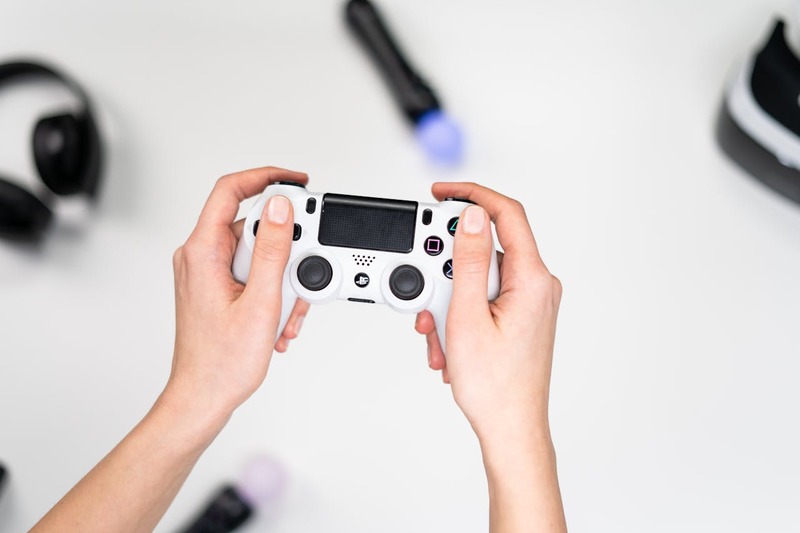
Child safety gaming regulations are rapidly evolving across major markets, becoming a critical factor in whether a title can enter and survive.Governments now require stricter age verification, chat limitations, and content filtering before games can be approved and released.
As these standards evolve, child safety is becoming a competitive differentiator. Studios must invest in compliance early or risk losing out to competitors who offer strong safety measures. This trend is transforming how game developers manage operations and design.
Read the full article to learn how these regulations are changing the gaming landscape and what developers must do to remain compliant and competitive.
Child Safety Is Moving Upstream Into Game Design

Source: Freepik.com
Child safety gaming regulations are reshaping how games are created, not just how they are governed. With rising awareness and tighter regulations, features such as chat, in-game purchases, and social interaction face greater scrutiny than ever before.
The shift toward child safety regulations reflects a broader safety-by-design approach. Rather than waiting for complaints or incidents to happen, developers are expected to anticipate risks related to chat, social features, and monetization from the earliest design phases.
This proactive strategy brings significant benefits. Game developers who incorporate child-safe mechanisms from the start usually avoid costly redesigns, negative publicity, and compliance issues at launch. They foster trust among players and parents, which can lead to easier releases and more long-term adoption.
Creative freedom in game design is no longer defined by the absence of boundaries; it’s about creating interesting experiences within safety limitations that safeguard children while still allowing them to have fun. Innovative studios recognize that creating games children enjoy and parents trust is not only ethical but also smart business in today’s regulated digital economy.
Compliance Complexity Is Increasing Across Regions
As online gaming expands globally, child safety gaming regulations are becoming more complex and varied—posing significant challenges for global developers. A one-size-fits-all version of a game is unlikely to succeed globally, as what is considered safe and compliant in one market may not be the same in another market.
One of the most prominent instances of regulatory complexity is age rating systems. In some countries, age and content classification laws are legally binding, while in others they function as voluntary guidelines.
Different regulations determine how games manage player interactions. Some countries prioritize strict moderation and communication limits for minors, while others incorporate these regulations into larger online child safety laws.
Popular worldwide platforms, such as Roblox, are under review in countries such as the Netherlands and Australia over whether they are doing enough to restrict harmful interactions with younger players.
Without strong operational planning, these differences can quickly derail global expansion strategies. Launching a game in multiple regions without considering the subtleties of child safety gaming regulations might result in delays, unanticipated redesign work, and even legal concerns in some markets.
Studios cannot afford to treat compliance as an afterthought; it must be built into release plans, localized feature sets, and global strategy from the start.
Operational Maturity Will Separate Scalable Studios
In today’s gaming landscape, child safety gaming regulation is more than simply a legal checkbox—it’s a multidisciplinary matter that affects all aspects of a game studio’s operations.
To keep players safe and comply with evolving global standards, studios require more than just brilliant designers; they also require operational maturity, which links legal, design, product, community, and support teams from the earliest stages of production.
To protect children in online environments, game developers must be able to identify and manage risks before a game is released to the public. This involves identifying sensitive aspects such as chat functions, data-gathering methods, and monetization processes that could pose threats to minors.
Operational maturity enables studios to transform compliance from an unexpected expense into a predictable component of planning. Smart studios create internal procedures that frequently evaluate features for compliance gaps, include legal and regulatory review into decision-making workflows, and develop clear governance structures that delegate responsibility for safety results.
Therefore, cross-functional cooperation becomes a fundamental advantage, as legal teams will comprehend design restrictions, product managers will understand regulatory milestones, and community teams may anticipate problems before they enter public channels.
Localization Helps Prevent Safety and Compliance Gaps

Source: Freepik.com
When sensitive game material is interpreted without consideration for local standards, what is acceptable in one region may be considered inappropriate or even dangerous for children in another. That is where child safety gaming regulations and proper game localization intersect to play an important role.
Without effective localization that accounts for these obstacles, studios risk having their work misconstrued, resulting in regulatory pushback or delayed approvals in areas with strict child safety regulations. Localization is more than just translating text; it’s about adjusting the tone, language, and context so that players in all areas comprehend and embrace the experience as intended.
Professional localization ensures that menus, dialogues, character interactions, and even visual cues are consistent with local expectations and sensitivities. Cultural sensitivity is crucial for younger players to maintain age-appropriate interactions and avoid misinterpretations that may lead to safety problems under local standards.
Working with professional translation and localization partners also facilitates the approval process. Early integration of professional localization helps speed up approval by regional rating boards and compliance authorities, reducing the risk for revisions or rejections due to inadequate content translation.
Localization also serves as a risk-mitigation layer for global expansion strategies. It contributes to a game’s reputation, promotes compliance with diverse cultural norms, and guarantees that a title seems local to each player.
For studios wanting to navigate these complex cultural and regulatory settings, collaborating with competent experts like SpeeQual Games may make all the difference. With extensive experience in game localization that connects content with local norms and safety requirements, SpeeQual Games assists developers in delivering games that resonate globally while staying compliant with child safety gaming regulations and cultural expectations.
Conclusion: The Next Wave of Winners Will Be Safety-Ready
In summary, studios that incorporate safety at every stage of production are most likely to flourish as child safety gaming regulation grows increasingly restrictive and diversified worldwide.
Regulators are increasingly requiring age verification, regulated communication, and content protections before games reach local markets, making compliance a global priority rather than a local requirement.
Cultural expectations and regional norms imply that a single version of a game will not suit all audiences; extensive localization and compliance planning are required to avoid delays.
On the other hand, governance, cross-functional cooperation, and proactive risk management may help studios avoid reactive repairs and costly corrections. Studios that link design, legal, product, and community teams early on can grow smoothly, whereas others struggle with fragmented regulations.In this evolving digital environment, the next generation of winners will be safety-ready, integrating protection and compliance into production strategy rather than simply code.